Rochester, NY · Attic Mold Removal
Attic Mold Removal Rochester NY: Best Rochester Attic Mold Remediation
Have you noticed dark spots, water stains, a musty smell, damp insulation, or unusual respiratory symptoms in your Rochester home? Attic mold can spread quickly when moisture remains trapped above the ceiling, especially after winter snow, ice dams, roof leaks, and periods of high indoor humidity.

- Mold inspection & testing
- Containment & negative air
- Insulation removal
- Moisture-source correction
Emergency Attic Mold Help in Rochester
Do not ignore the problem or disturb contaminated insulation with a standard vacuum. Contact Attic Mold Removal Rochester Pros to schedule a professional mold inspection, book an attic mold assessment, or request a free remediation estimate.
Our team helps Rochester homeowners identify mold growth, locate moisture sources, contain affected areas, remove contaminated materials, clean attic surfaces, and reduce the conditions that allow mold to return.
Attic Mold Removal Rochester NY Cost
The cost of attic mold removal depends on the size of the affected area, amount of contaminated insulation, accessibility, moisture damage, testing requirements, containment, repairs, and final clearance documentation.
| Service | Average cost |
|---|---|
| Basic visual mold inspection | $150 to $400 |
| Mold testing with laboratory analysis | $300 to $1,200 |
| Full mold assessment | $400 to $800 |
| Small attic mold removal | $800 to $2,000 |
| Moderate attic remediation | $2,000 to $5,500 |
| Full attic remediation with insulation removal | $5,500 to $9,500 |
| Attic insulation removal and replacement | $1,500 to $6,000+ |
| Moisture mapping and infrared inspection | $150 to $500 |
| Post-remediation clearance testing | $300 to $800 |
| Roof leak or ventilation repairs | Project-specific |
Want a number for your own attic? Try our attic mold removal cost calculator for a quick planning range.
These are average planning ranges, not a guaranteed quote. Early detection can reduce the total cost because a smaller mold problem may require less demolition, fewer replacement materials, and less extensive containment.
Why Rochester Attics Develop Mold
Rochester’s seasonal climate creates several conditions that can contribute to attic mold growth. Heavy winter snow can cover roof surfaces and contribute to ice dams. Ice dams may allow water to move beneath shingles and into roof assemblies. Warm indoor air can also rise into a cold attic, where it condenses on roof sheathing, nails, insulation, and framing.
Other common causes include:
- Roof leaks.
- Damaged flashing.
- Poor bathroom-fan venting.
- Inadequate intake vents.
- Blocked soffits.
- Insufficient exhaust ventilation.
- High indoor humidity.
- Wet or compressed insulation.
- Air leaks around ceiling penetrations.
- Improperly sealed recessed lights.
- Dryer vents terminating in the attic.
- Plumbing or HVAC condensation.
- Previous storm damage.
Attics are particularly vulnerable because they are enclosed, often poorly accessible, and filled with porous materials. When moisture remains present, mold can colonize suitable surfaces within approximately 24 to 48 hours under ideal conditions.
The objective of professional mold remediation is not simply to remove visible mold. It is to remove contamination, dry affected materials, and correct the moisture source.

Why Mold Testing and Mold Assessment Matter
Visible mold is often enough to justify an inspection, but testing may help determine the type and concentration of mold spores present. A professional mold assessment can also identify hidden moisture, affected materials, and the likely size of the contamination.
Testing may be appropriate when:
- You see mold on roof sheathing or insulation.
- The attic smells musty but mold is difficult to locate.
- Water stains appear on the ceiling.
- Occupants report respiratory issues or skin reactions.
- Someone in the home has a mold allergy or asthma.
- You are buying or selling a property.
- A previous leak was repaired but odors remain.
- HVAC equipment or ductwork may be contaminated.
- Insulation appears damp, discolored, or compressed.
A mold assessment may include a visual inspection, moisture readings, moisture mapping, air samples, surface samples, and infrared scanning. Samples should be sent to an independent accredited laboratory when laboratory analysis is recommended.
Mold testing does not replace a complete inspection. A negative air sample does not prove that hidden mold is absent if there are visible signs, water damage, or moisture problems.

Our work
Recent attic mold projects
Photos from our own jobs: framing work in full protective equipment, treating stained roof decking, and opening up damaged material to reach what is behind it.
-
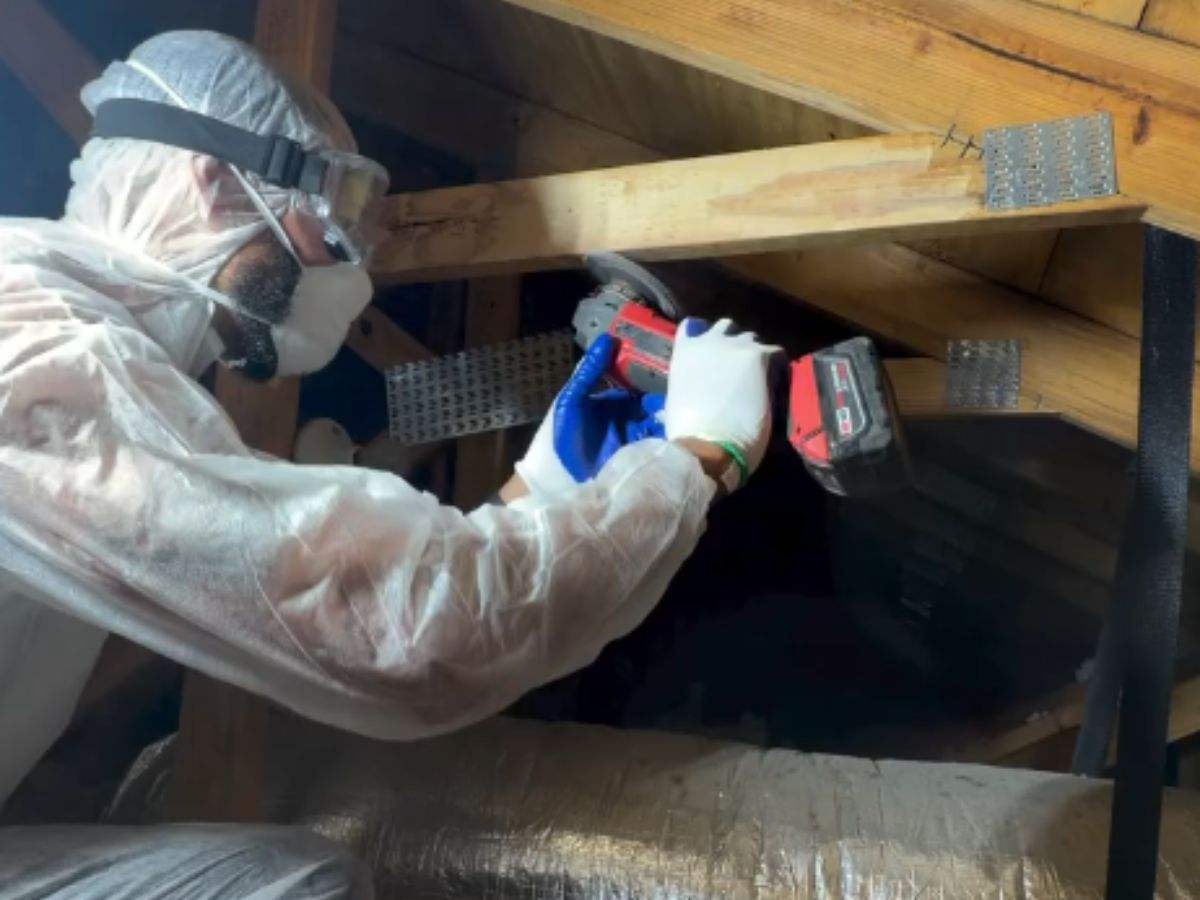 Remediation
Working the truss framing in full protective equipment during an attic remediation.
-
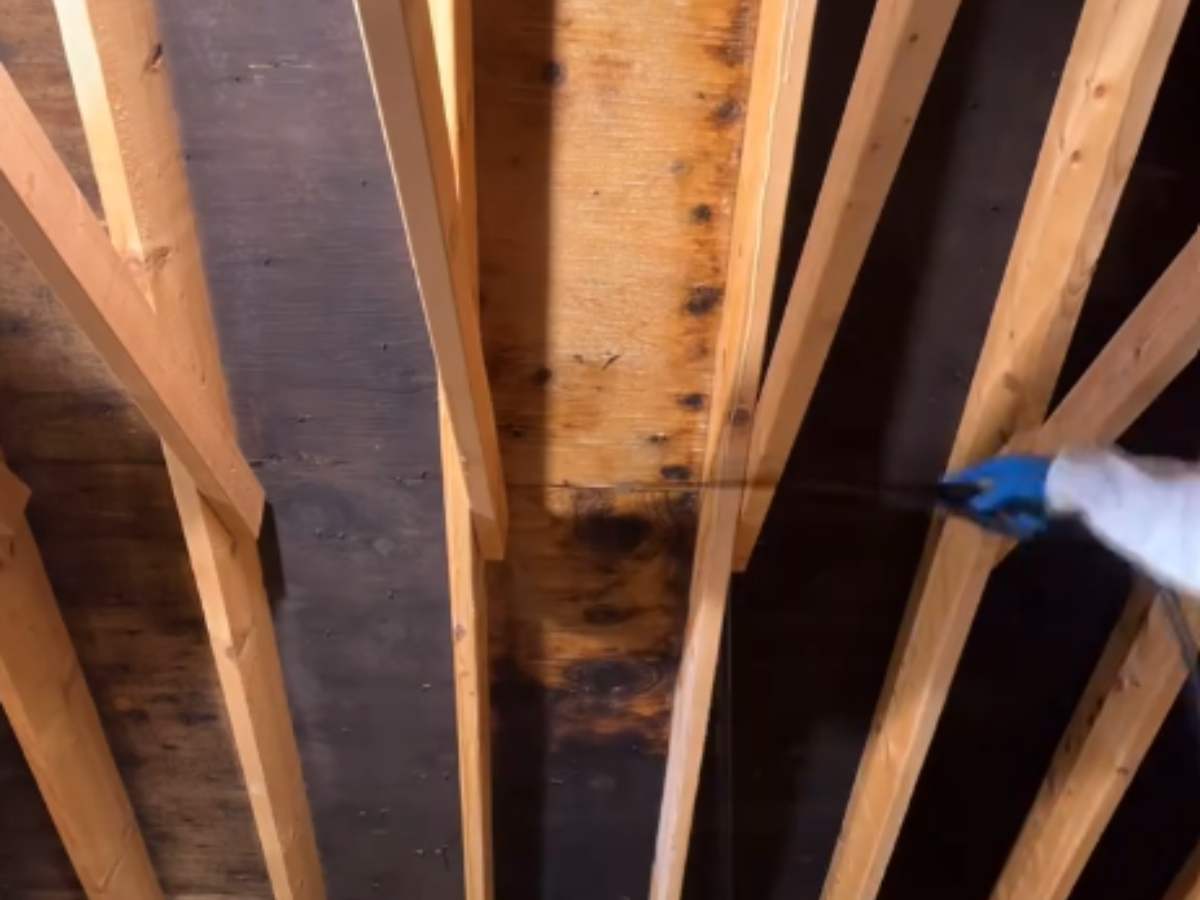 Roof decking
Treating stained roof sheathing between the rafters after cleaning.
-
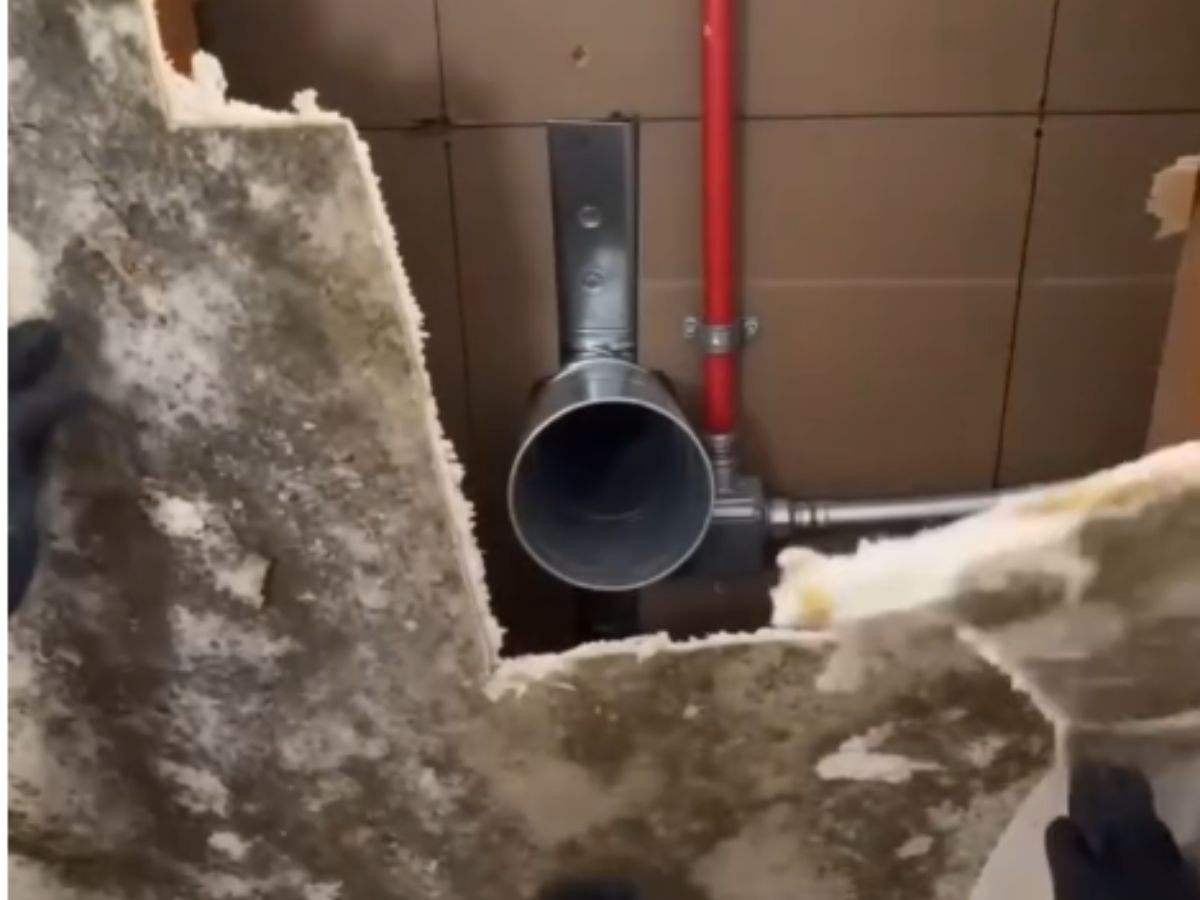 Material removal
Pulling out mold-damaged board to expose the cavity and the plumbing behind it.
Trust Signals to Look For
When hiring a mold remediation provider in New York, homeowners should verify:
- A valid New York State mold assessor license when assessment work is required.
- A valid New York State mold remediation contractor license.
- Properly trained remediation technicians.
- General liability insurance.
- Workers’ compensation coverage.
- Written remediation plans.
- Independent post-remediation assessment.
- HEPA filtration and containment procedures.
- Laboratory documentation where testing is performed.
- Clear warranties and written exclusions.
- References from local homeowners.
- Emergency response availability.
New York State guidance requires a licensed mold assessor and a licensed mold remediation contractor for mold projects involving more than 10 square feet. The assessor and remediator must be independent of one another. The New York State Department of Labor explains that the assessor completes the initial inspection and remediation plan, while the remediation contractor performs the work outlined in that plan.
Homeowners should not rely only on the terms “certified” or “licensed” in an advertisement. Ask for license information and verify the provider through New York’s official mold contractor resources.
Why Choose Attic Mold Removal Rochester Pros?
Attic Mold Removal Rochester Pros focuses on attic mold remediation, mold inspections, moisture control, and related services for Rochester-area homes.
Our approach emphasizes:
- Fast response to visible mold and water damage.
- Prompt containment to protect living spaces.
- Careful removal of contaminated insulation.
- HEPA vacuuming and air filtration.
- Moisture-source identification.
- Ventilation improvement recommendations.
- Coordination with roofers, insulation contractors, and other specialists.
- Clear project documentation.
- Final inspection and clearance testing when requested.
- Respectful, organized work inside your home.
We understand that attic mold often involves more than surface cleaning. A durable solution may require roof repairs, bathroom exhaust corrections, air sealing, insulation replacement, or improved ventilation.
Attic Mold Remediation Services
Attic mold inspection
We examine roof sheathing, rafters, trusses, insulation, vents, flashing, penetrations, and areas around chimneys and roof valleys. Moisture meters and infrared equipment may help locate hidden wet areas.
Mold testing
Air sampling and surface sampling can provide information about the types and concentration of mold spores. Testing should be interpreted alongside visual inspection and moisture findings.
Attic mold removal
Contaminated materials are contained, removed, bagged, and disposed of safely. Standard household vacuums should not be used because they can agitate and spread mold spores.
Insulation removal and replacement
Mold-contaminated fiberglass, cellulose, or other porous insulation typically needs to be removed and replaced. Insulation should not simply be painted or sprayed to conceal contamination.
HEPA vacuuming and air scrubbing
HEPA vacuums are designed to capture fine particles from appropriate surfaces. Air scrubbers help filter airborne particles during controlled remediation work.
Containment and negative air
Plastic barriers, sealed work zones, and negative-air machines help prevent spores from migrating into living areas. HVAC systems may need to be turned off or isolated during cleanup to reduce cross-contamination.
Attic ventilation improvements
We can identify blocked soffit vents, missing baffles, inadequate exhaust vents, and improperly terminated fans. Ventilation improvements may involve coordination with a roofing or insulation contractor.
Moisture-source correction
Mold will continue to return if the source of moisture remains. We help identify roof leaks, condensation, air leakage, plumbing issues, and ventilation defects that require correction.
Attic cleaning and preventive treatment
After removal and drying, affected surfaces may be cleaned using appropriate remediation methods. Bleach is generally not recommended for porous materials because it may not penetrate deeply enough and can damage surfaces.
Signs You Need Mold Remediation
Schedule an inspection if you notice:
- Visible black, green, white, or brown growth.
- A persistent musty or earthy smell.
- Water stains on ceilings or rafters.
- Damp or compressed insulation.
- Condensation on roof sheathing.
- Peeling paint or swollen materials.
- Recent roof leaks or ice-dam damage.
- Repeated roof or plumbing moisture.
- Unexplained dust or debris near attic access.
- Respiratory symptoms that improve away from home.
- Skin rashes, fatigue, or flu-like symptoms.
- Increased coughing, wheezing, or asthma symptoms.
The Institute of Medicine linked indoor dampness and mold exposure with respiratory symptoms, and people with allergies or asthma may be more susceptible to health effects. Mold exposure can contribute to respiratory issues, irritation, skin reactions, and other symptoms, but health effects vary between individuals. If a household member is experiencing symptoms, consult a qualified healthcare professional.
Children, infants, older adults, people with asthma, and individuals with weakened immune systems should avoid entering a contaminated attic. Sensitive occupants should be kept away from the work area during remediation.
Professional Versus DIY Mold Removal
Minor surface mold in a small, accessible area may sometimes be cleaned by a homeowner if the moisture source has been corrected and the affected material is non-porous. The person should use appropriate personal protective equipment, including an N95 respirator, gloves, and safety goggles.
DIY removal is not appropriate when:
- Contamination is larger than 10 square feet.
- Mold affects insulation or other porous materials.
- The attic has widespread water damage.
- There is a strong odor but no visible source.
- HVAC components may be contaminated.
- Occupants are medically sensitive.
- The roof or ventilation problem is unresolved.
- The affected area is difficult or unsafe to access.
- The home has significant historic or lead-related concerns.
Using a standard vacuum can spread spores through the attic and into the house. Professional remediation technicians use containment, HEPA filtration, protective equipment, controlled removal, and secure disposal procedures.
The Attic Mold Remediation Process
-
Initial assessment
A technician documents visible mold, water stains, insulation condition, ventilation, roof penetrations, and possible moisture sources.
-
Sampling and moisture mapping
When appropriate, air or surface samples are collected. Moisture meters and infrared scans can help locate damp areas that are not visible during a basic inspection.
-
Remediation plan
For qualifying New York mold projects, an independent licensed mold assessor prepares the remediation plan. The plan defines the affected areas, containment requirements, removal procedures, cleaning methods, and post-remediation verification.
-
Containment setup
The work zone is sealed with protective barriers. Negative air machines and air scrubbers help control airborne particles and protect the rest of the home.
-
Removal of contaminated materials
Moldy insulation and unsalvageable porous materials are removed, placed in disposable bags, sealed, and transported for proper disposal.
-
Cleaning and HEPA vacuuming
Remaining surfaces are cleaned using appropriate methods. HEPA vacuuming helps remove settled particles from suitable attic surfaces.
-
Drying and moisture correction
Affected areas are dried thoroughly. Roof leaks, ventilation defects, condensation, and other moisture sources must be repaired or corrected.
-
Insulation replacement
After the attic is clean and dry, new insulation and ventilation components may be installed by the appropriate contractor.
-
Final clearance
An independent assessor may perform a post-remediation assessment and clearance testing. Documentation can include visual inspection results, moisture readings, photographs, laboratory reports, and completion records.
Basement Solutions and Whole-Home Moisture Control
Attic mold and basement moisture may be connected through overall household humidity. A damp basement, crawlspace, or foundation can raise indoor humidity, while warm air moves upward through the home and increases attic condensation risk.
Related basement solutions may include:
- Sump pump maintenance.
- Interior waterproofing.
- Dehumidifier installation.
- Foundation leak repairs.
- Drainage improvements.
- Crawlspace vapor barriers.
- Downspout extensions.
- Basement ventilation.
- Plumbing leak correction.
- Humidity monitoring.
Indoor relative humidity should generally be maintained between 30% and 60%. Moisture control throughout the property can help reduce the likelihood of recurring mold in both the basement and attic.
Insurance, Warranties, and Documentation
Homeowners should document the mold problem before remediation begins. Take photographs of visible growth, water stains, damaged insulation, leaks, and affected rooms. Keep inspection reports, laboratory results, invoices, repair records, and clearance documentation.
Insurance coverage varies. Policies may cover mold when it results from a covered event, such as sudden water damage, but may exclude long-term seepage, maintenance issues, flooding, or preventable moisture problems. Contact your insurer promptly, ask about claim procedures, and avoid making permanent changes before documenting the damage.
A warranty should explain what is covered, how long coverage lasts, exclusions, moisture-control responsibilities, and whether the warranty transfers to a future property owner. No warranty can guarantee that mold will never return if new leaks, condensation, or humidity problems develop.
Rochester Areas Served
Attic Mold Removal Rochester Pros serves Rochester and nearby communities, including:
- Downtown Rochester.
- East Avenue.
- Park Avenue.
- Highland Park.
- South Wedge.
- Corn Hill.
- Charlotte.
- Irondequoit.
- Brighton.
- Henrietta.
- Greece.
- Gates.
- Chili.
- Pittsford.
- Fairport.
- Webster.
- Penfield.
- Victor.
- Spencerport.
- Brockport.
- West Henrietta.
Emergency availability, response times, and travel limits should be confirmed when scheduling. Response may vary according to weather, active water intrusion, project size, and technician availability.
Frequently Asked Questions
How expensive is it to remove mold from an attic?
Attic mold removal commonly costs approximately $800 to $5,500, while full attic remediation with insulation removal may cost $5,500 to $9,500 or more. Testing, containment, repairs, disposal, and insulation replacement affect the final price.
Can mold in the attic be removed?
Yes. Professional remediation can remove visible mold, contaminated insulation, and affected materials while addressing the moisture source. Cleaning alone is not enough if leaks, condensation, or poor ventilation remain.
How bad is black mold in your attic?
The term “black mold” does not by itself determine the level of danger. Any visible attic mold should be evaluated because different species can appear dark, and health effects vary. Testing can help identify mold types and concentrations, but the priority is removing contamination and correcting moisture.
Will insurance pay for mold remediation?
Coverage depends on the policy and cause of damage. Mold associated with a covered sudden event may be eligible, while long-term leaks, humidity, and maintenance-related issues may be excluded. Contact your insurance company before starting major work and document the condition carefully.
Who should order mold testing?
A homeowner, buyer, property manager, or landlord may order mold testing when there are visible signs, odors, water damage, symptoms, or questions about indoor air quality. For larger New York projects, use the required independent licensed mold assessor.
How long does attic remediation take?
A small project may take one to three days. Larger projects involving containment, insulation removal, drying, repairs, and replacement may take several days or longer.
Will remediation disrupt my home?
Professional containment is designed to limit disruption and protect living spaces. Occupants should stay out of the attic and work zone, and sensitive individuals may need to leave during active removal.
Does clearance testing guarantee the attic is safe?
Clearance testing provides post-remediation evidence about visible conditions, moisture, and sampled air or surfaces. It is an important verification step, but it cannot guarantee that future leaks or moisture will not create new mold.
Rochester, NY
Schedule Your Rochester Attic Inspection
Attic mold should be addressed promptly, especially when you see visible growth, notice a persistent odor, find water stains, or discover damp insulation.
Attic Mold Removal Rochester Pros provides attic mold removal, mold testing, mold assessment, insulation remediation, HEPA cleaning, moisture-source identification, ventilation recommendations, and post-remediation documentation throughout Rochester, NY.
Call to schedule an inspection, book a mold assessment, or request a free attic mold remediation estimate. The first step is identifying the extent of the problem and correcting the moisture source before contamination spreads further.