Rochester, NY · Ice Dam Insulation
Ice Dams Insulation Rochester NY
Ice dams are ridges of ice that form along roof eaves after snow melts over warmer sections of the roof and refreezes at colder edges. They can trap water beneath roofing materials and contribute to leaks, ceiling stains, wet insulation, attic mold, and wood damage.
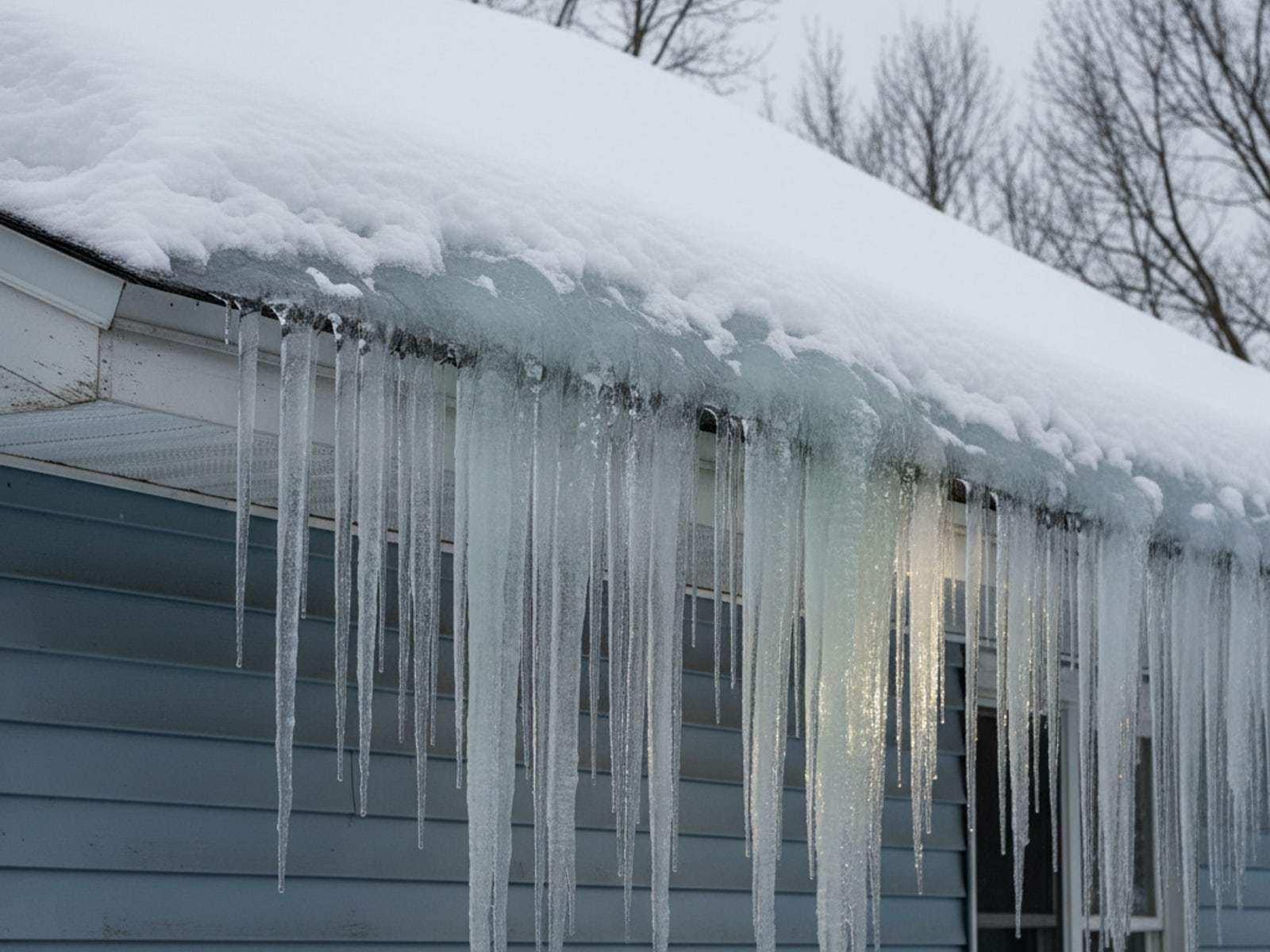
- Attic heat-loss check
- Air sealing
- Insulation upgrade
- Soffit-to-ridge airflow
Ice Dam and Attic Insulation Solutions in Rochester
For Rochester homeowners, recurring ice dams often point to a combination of attic heat loss, air leakage, inadequate ventilation, roof conditions, and snow exposure. Attic Mold Removal Rochester Pros provides attic insulation assessments, air sealing recommendations, insulation replacement, moisture investigation, and related attic services.
If you find water stains after a winter storm, damp insulation, frost on roof sheathing, or repeated ice buildup at the eaves, schedule an attic inspection before adding insulation without evaluating the roof system.
How Ice Dams Form
Ice dams generally develop through a repeating cycle:
- Heat escapes from the living space into the attic.
- The roof surface above the heated area becomes warmer.
- Snow melts on that warmer section.
- Meltwater runs toward the colder roof edge.
- Water refreezes at the eaves.
- The ice ridge grows and traps later meltwater.
- Water may move beneath shingles, flashing, or underlayment.
Rochester and nearby communities experience winter snow, freeze-thaw cycles, and periodic heavy accumulation.
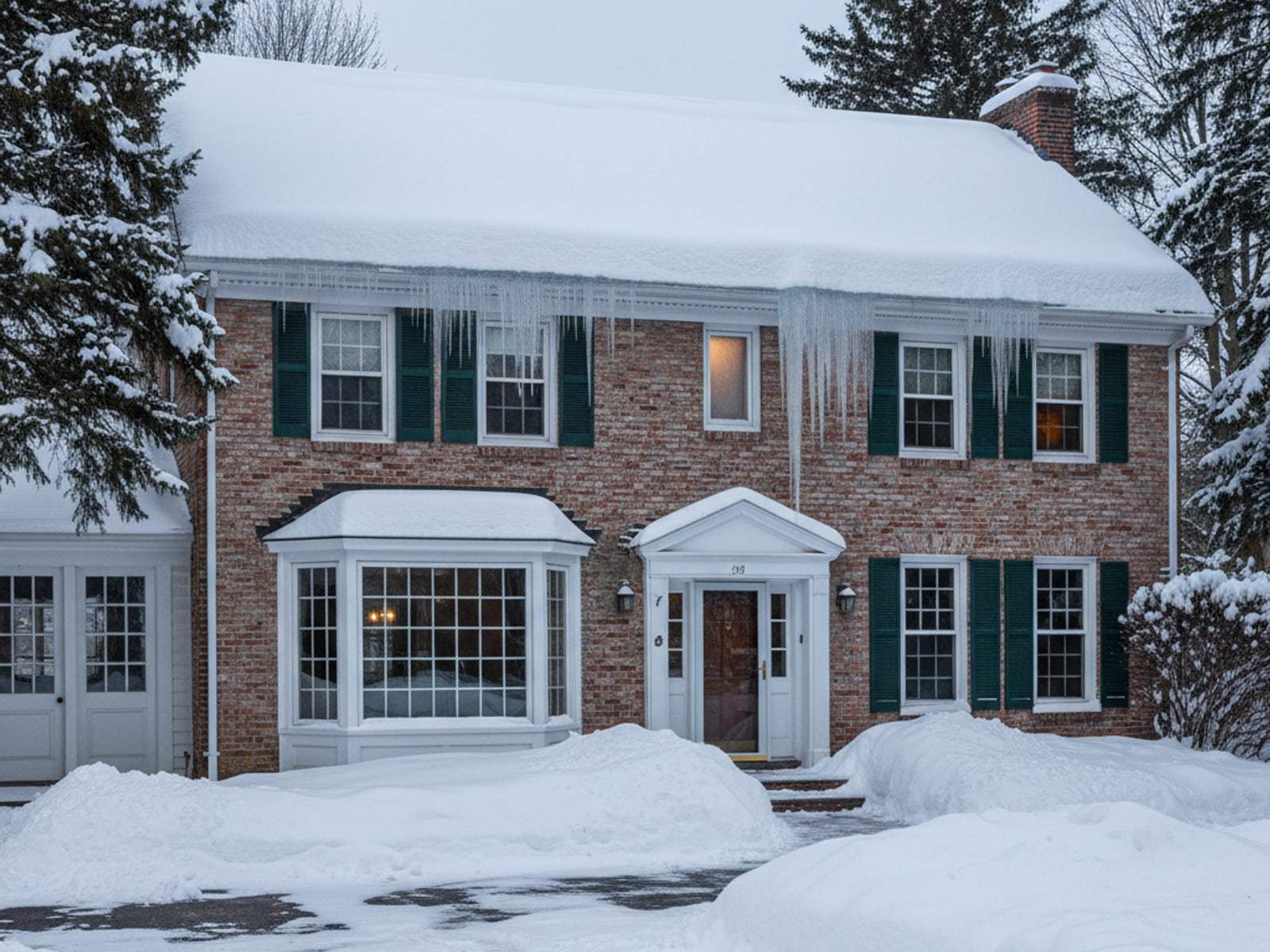
Signs of an Ice-Dam Problem
Look for:
- Thick ice along roof eaves.
- Icicles combined with an ice ridge.
- Water stains on ceilings.
- Damp attic insulation.
- Frost on nails or roof sheathing.
- Peeling paint near exterior walls.
- Drips during thawing.
- Roof leaks near valleys or eaves.
- Mold or staining in the attic.
- Repeated winter leaks.
- Gutters pulling away from the roof.
- Wet soffits or fascia.
Ice dams can create hidden damage even when the interior stain is small. An attic and roof inspection can help determine whether the source is insulation, air leakage, flashing, roof covering, gutters, or a combination.
The Role of Attic Insulation
Insulation slows heat transfer between the living space and attic. When the attic floor has insufficient or uneven insulation, heat can reach the roof deck and create uneven roof temperatures.
An effective insulation upgrade may:
- Reduce heat loss.
- Improve upstairs comfort.
- Help maintain a colder roof deck.
- Reduce condensation.
- Support ice-dam prevention.
- Reduce energy waste.
- Protect attic framing.
Insulation is not installed simply to fill empty space. The correct amount, distribution, air sealing, and ventilation must work together.
ENERGY STAR recommends air sealing before adding attic insulation because warm air can bypass insulation through penetrations and openings.
Why Air Sealing Matters
Warm indoor air can enter the attic through:
- Recessed lights.
- Plumbing penetrations.
- Electrical wiring.
- Chimney chases.
- Attic hatches.
- Dropped soffits.
- Duct boots.
- Top plates.
- Interior wall cavities.
- Bathroom fan housings.
This air carries moisture. When it reaches cold roof surfaces, condensation may form, contributing to frost, damp insulation, mold, and wood damage.
Air sealing may use caulk, fire-rated sealants, rigid blocking, or expanding foam depending on the location and material. Combustion appliances, chimneys, and recessed lights require careful treatment.
Attic Ventilation and Ice Dams
Ventilation helps move outdoor air through the attic and reduce moisture and temperature buildup. Common components include:
- Soffit vents.
- Rafter vents.
- Ridge vents.
- Gable vents.
- Roof vents.
- Baffles.
ENERGY STAR explains that natural attic airflow helps keep the attic cold in winter and can reduce the potential for ice damming. Insulation should not block soffit vents, and rafter baffles may be needed to preserve airflow.
Ventilation will not compensate for major air leakage or severely inadequate insulation. The attic system needs balanced air sealing, insulation, and ventilation.
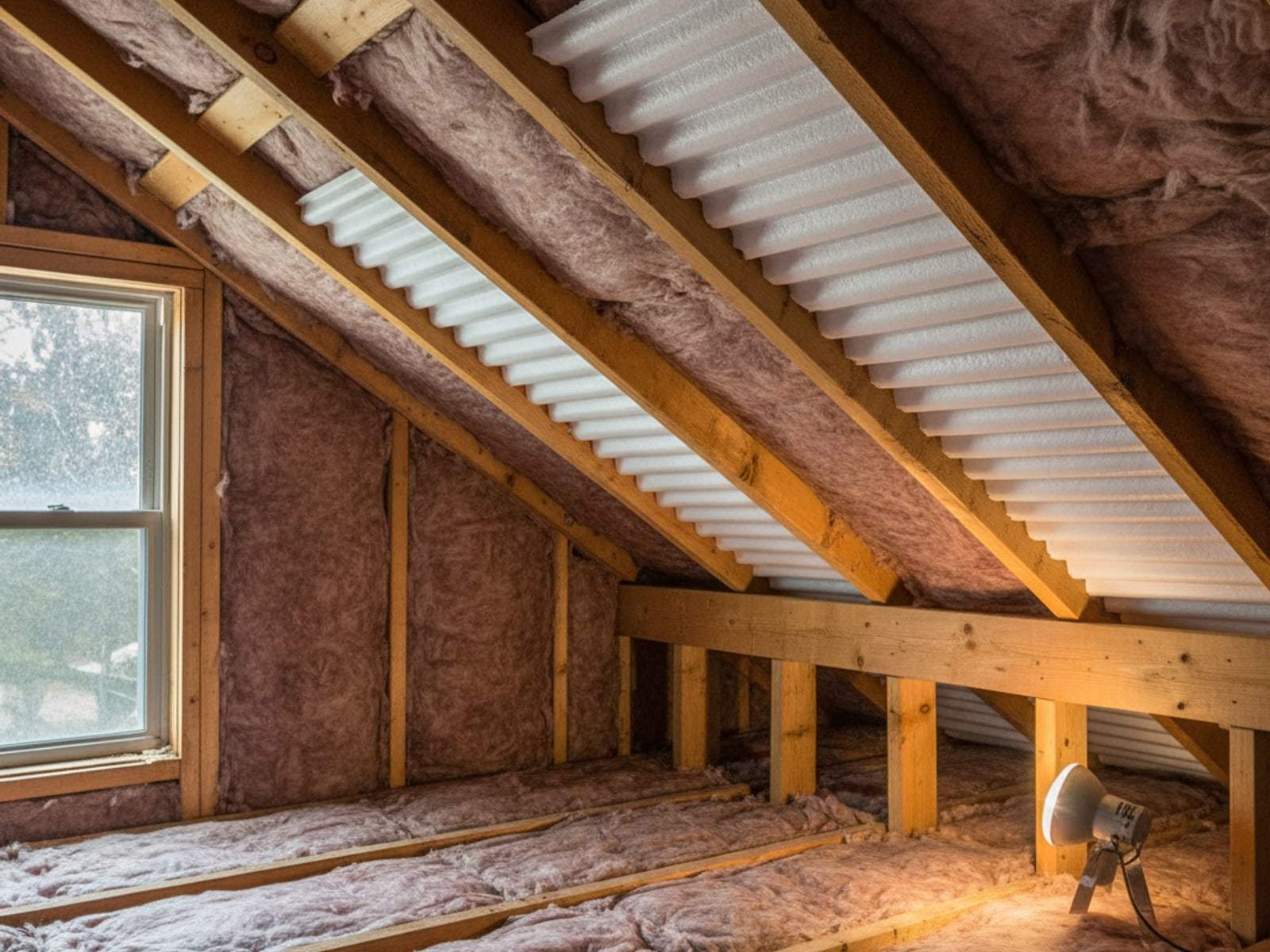
Rochester Ice-Dam Inspection
An inspection may evaluate:
- Insulation depth.
- Air leakage.
- Soffit and ridge vents.
- Roof sheathing.
- Frost or condensation.
- Roof penetrations.
- Flashing.
- Valleys.
- Eaves.
- Attic hatch.
- Bathroom and kitchen exhaust.
- Moisture stains.
- Mold.
- Gutters and downspouts.
Infrared imaging can sometimes show temperature patterns, but it should be interpreted alongside physical inspection and moisture readings.
Insulation Options
Blown-in cellulose
Cellulose can cover irregular attic floors and fill spaces between framing. It is often suitable for retrofit work after air sealing.
Blown-in fiberglass
Blown-in fiberglass is lightweight and provides even coverage when installed to the correct depth.
Fiberglass batts
Batts can work in accessible spaces but must fit tightly without gaps or compression.
Spray foam
Spray foam may provide both insulation and air sealing in selected areas. It costs more and requires careful design around ventilation, moisture, and roof assemblies.
The best material depends on attic design, existing insulation, moisture, access, budget, and target R-value.
Ice-Dam Insulation Process
-
Attic inspection
The attic is examined for heat loss, insulation, moisture, mold, ventilation, and roof conditions.
-
Roof and moisture review
Leaks, damaged flashing, condensation, and wet materials are identified before insulation is added.
-
Air sealing
Ceiling penetrations and bypasses are sealed.
-
Ventilation preparation
Baffles are installed or repaired to maintain soffit airflow.
-
Insulation removal if necessary
Wet, moldy, pest-damaged, or contaminated insulation may need removal.
-
New insulation
Insulation is installed evenly to the planned target depth.
-
Roof coordination
If the problem includes damaged shingles, flashing, underlayment, gutters, or roof design, a roofing contractor may need to complete additional work.
What Not to Do
Avoid:
- Chopping ice with sharp tools.
- Using open-flame devices on the roof.
- Applying salt products that may damage roofing or metal.
- Adding insulation over wet materials.
- Blocking soffit vents.
- Painting over ceiling stains without finding the leak.
- Running bathroom fans into the attic.
- Assuming more insulation alone will solve the issue.
- Walking on a damaged or unstable roof.
Snow and ice removal should be performed safely by an appropriate roofing professional when necessary.
Rochester Ice-Dam and Insulation Cost
| Service | Typical planning range |
|---|---|
| Attic inspection | $150 to $400 |
| Air sealing | $350 to $1,500 |
| Blown-in insulation | $1,500 to $4,000 |
| Fiberglass insulation | $1,000 to $3,500 |
| Insulation removal | $1,000 to $3,000 |
| Ventilation improvements | $400 to $2,000+ |
| Roof or flashing repairs | Project-specific |
| Full attic upgrade | $2,500 to $8,000+ |
Cost depends on attic size, insulation condition, air leaks, ventilation, access, roof repairs, moisture damage, and whether materials must be removed.
R-Value and Energy Efficiency
R-value measures resistance to heat flow. ENERGY STAR commonly recommends upgrading cold-climate attic insulation toward approximately R-60, though the appropriate target depends on existing conditions and the project design.
Insulation depth should be consistent and free of gaps. A high R-value does not compensate for open air bypasses, blocked ventilation, wet material, or an active roof leak.
Some New York homeowners may qualify for energy-efficiency incentives or assistance. Verify current program eligibility, approved contractors, and required documentation before starting the work.
Attic Mold and Wet Insulation
Recurring ice dams can contribute to water entry and attic mold. Warning signs include:
- Dark roof sheathing.
- Musty attic odors.
- Damp cellulose or fiberglass.
- Water stains.
- Frost.
- Mold on rafters.
- Peeling ceiling paint below the attic.
Moldy or wet insulation should be assessed before it is covered. The moisture source must be corrected and contaminated material removed where necessary.
Why Choose Attic Mold Removal Rochester Pros?
Attic Mold Removal Rochester Pros approaches ice dams as a combined roof, insulation, air-sealing, ventilation, and moisture-control issue.
The service focuses on:
- Inspecting before recommending insulation.
- Identifying attic heat loss.
- Preserving ventilation pathways.
- Locating moisture and condensation.
- Coordinating with roofing professionals.
- Removing wet or contaminated insulation when needed.
- Explaining practical prevention steps.
Frequently Asked Questions
Does attic insulation stop ice dams?
Proper insulation can reduce heat loss that contributes to uneven roof temperatures, especially when combined with air sealing and ventilation. It cannot correct every roof, flashing, gutter, or snow-related problem.
Should air sealing come before insulation?
Yes. Air sealing before insulation helps reduce the movement of warm, moist indoor air into the attic.
Why do I have icicles but no leak?
Icicles do not always mean interior leakage, but large icicles and ice ridges can indicate uneven roof temperatures or drainage problems. An attic and roof inspection can identify the cause.
Can I add insulation over old material?
Only if the existing insulation is dry, clean, and in suitable condition. Wet, moldy, pest-damaged, or contaminated material should be assessed first.
How does ventilation help?
Balanced intake and exhaust ventilation helps move outdoor air through the attic and reduce condensation and heat buildup. It must not be used as a substitute for air sealing.
Who repairs the roof after an ice dam?
A roofing contractor typically handles shingles, flashing, underlayment, eaves, and gutters. An insulation contractor can address attic heat loss, air sealing, and ventilation.
Rochester, NY
Schedule an Ice-Dam Attic Assessment
If your Rochester home has recurring ice dams, ceiling stains, damp attic insulation, or winter condensation, contact Attic Mold Removal Rochester Pros for an attic inspection and insulation assessment.