Rochester, NY · Mold Testing
Mold Testing Rochester NY
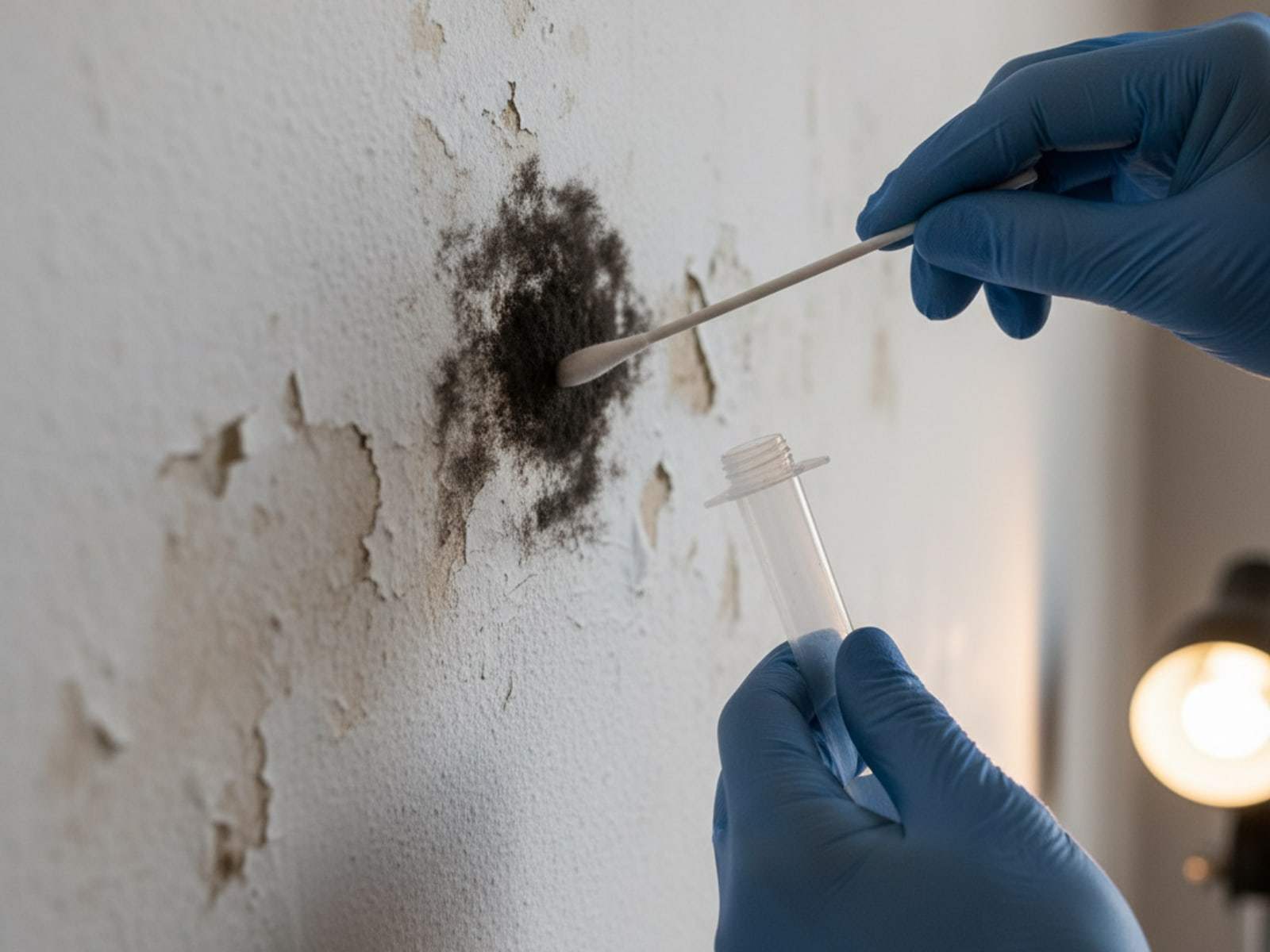
Mold testing can help answer important questions when you notice a musty odor, discover water damage, or suspect hidden growth in your Rochester home. It may identify the types and concentration of mold spores in an air or surface sample, but testing should be interpreted alongside a careful inspection of the building.
- Visual inspection
- Air & surface samples
- Lab analysis
- Written report
Independent Mold Testing in Rochester, NY
Attic Mold Removal Rochester Pros helps Rochester homeowners understand when mold testing may be useful, what the process involves, and what to do after results are received.
Testing is not a substitute for moisture investigation. A sample can show what was present at a particular location and time, but it cannot repair a roof leak, dry wet insulation, or determine the complete extent of hidden growth.
Mold Inspection Versus Mold Testing
These terms are often used interchangeably, but they describe different services.
Mold inspection
An inspection evaluates the property. It may include:
- Visual examination.
- Moisture readings.
- Infrared scanning.
- Odor assessment.
- Review of plumbing and roofing.
- Attic, basement, and crawlspace evaluation.
- HVAC-area review.
- Identification of affected materials.
- Recommendations for next steps.
Mold testing
Testing involves collecting samples. Possible methods include:
- Air sampling.
- Surface sampling.
- Tape-lift sampling.
- Swab sampling.
- Bulk material sampling.
Samples are sent to a laboratory for analysis. Results may identify mold categories, species, or spore concentrations depending on the method used.
When Rochester Homeowners Should Consider Testing
Testing may be useful when:
- There is a persistent musty odor.
- Mold is suspected but not visible.
- A home is being purchased or sold.
- Water damage occurred but the extent is unclear.
- Occupants report possible mold-related irritation.
- HVAC contamination is suspected.
- A landlord or tenant needs documentation.
- A previous remediation was completed.
- You need post-remediation clearance.
- Insurance or legal documentation is required.
Testing may be unnecessary when extensive visible mold is already present and the moisture source is obvious. In that situation, the priority may be containment, removal, drying, and source correction.
Rochester Mold Testing Cost
| Mold testing service | Typical planning range |
|---|---|
| Basic visual inspection | $200 to $450 |
| Inspection with moisture mapping | $300 to $700 |
| Air sampling | $300 to $700 |
| Surface sampling | $300 to $800 |
| Multiple-room testing | $500 to $1,200 |
| Pre-purchase mold inspection | $350 to $900 |
| Clearance testing | $400 to $900 |
| Detailed written assessment | $500 to $1,500 |
The final price depends on the number of samples, locations, laboratory analysis, travel, moisture mapping, and report requirements.
What Mold Testing Can and Cannot Tell You
Testing can help determine:
- Whether mold spores were detected in a sample.
- Which mold groups or species may be present.
- The concentration in a collected air sample.
- Whether a surface sample contains mold.
- Whether indoor levels differ from an outdoor comparison sample.
Testing cannot reliably determine:
- Whether someone is sick because of mold.
- The complete amount of hidden mold.
- Whether every contaminated material has been found.
- Whether the moisture source has been fixed.
- Whether a property is permanently mold-free.
- Whether a person has a mold allergy.
Results must be interpreted in context. Outdoor mold spores can enter a home through doors, windows, clothing, and ventilation. A high indoor result may be more meaningful when it is combined with visible growth, moisture, odors, or indoor-outdoor comparisons.

Air Sampling
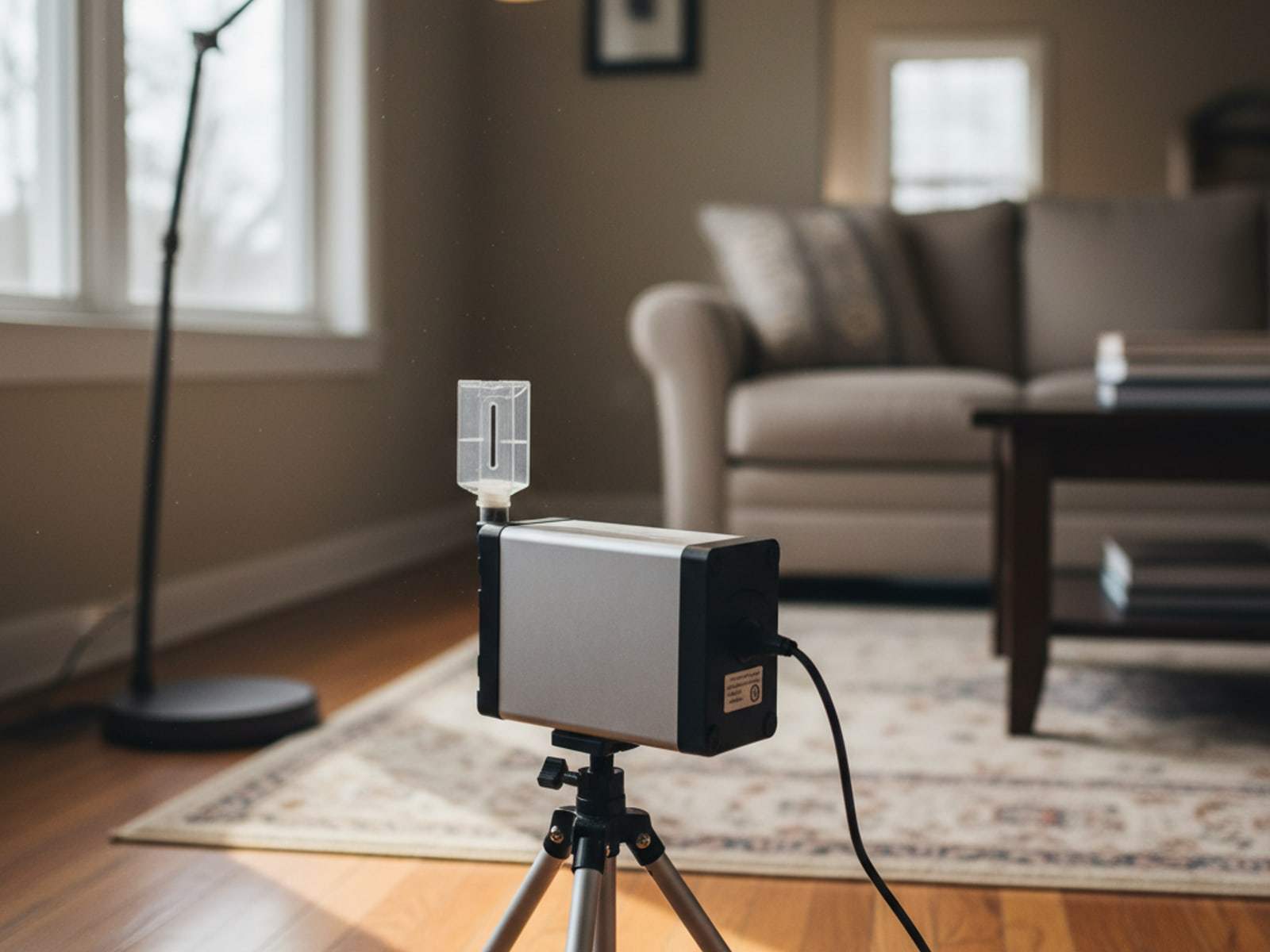
Air sampling collects airborne particles from selected rooms, the outdoors, or both. Indoor and outdoor samples may be compared to help interpret the building’s conditions.
Air testing may be useful when:
- Mold is hidden.
- A strong odor exists without visible growth.
- You want information about airborne spores.
- HVAC contamination is suspected.
- Clearance documentation is required.
Air sampling has limitations. Mold concentrations can vary by time, activity, weather, ventilation, and location. A single sample cannot characterize every room or wall cavity in a house.
Surface and Bulk Sampling
Surface sampling may use tape lifts or swabs from a visible area. Bulk sampling involves submitting a piece of material for analysis.
These methods may help identify:
- The type of mold on a surface.
- Whether a visible stain contains fungal growth.
- The relationship between a material and a suspected contamination.
Sampling should be performed carefully so it does not spread contamination or unnecessarily damage the property.
The Rochester Mold Testing Process
-
Initial consultation
You explain the odor, visible growth, water damage, symptoms, recent leaks, purchase concerns, or previous remediation.
-
Visual inspection
The property is reviewed for mold, dampness, condensation, damaged materials, ventilation problems, and likely moisture sources.
-
Moisture assessment
Moisture meters and infrared tools may help locate hidden damp areas. This is important because mold testing without moisture investigation can miss the cause.
-
Sampling plan
The appropriate sample type and location are selected based on the inspection. Not every room needs a sample.
-
Laboratory analysis
Samples are sent to a laboratory for analysis. Ask whether the lab is independent and whether the report explains the findings clearly.
-
Written report
A useful report should identify sample locations, methods, results, limitations, building observations, and recommendations.
-
Next steps
If mold is confirmed, the next step may be moisture correction, cleaning, removal of porous materials, remediation, or additional investigation.
Independent Assessments and New York Rules
For larger covered mold projects, New York’s Department of Labor regulates mold assessment and remediation under Article 32. The state Mold Program establishes licensing requirements and minimum work standards.
An assessor should be independent from the remediation contractor where required. This helps reduce conflicts of interest between testing, writing the remediation plan, and selling the cleanup work.
Ask for:
- License information.
- A clear scope.
- Sample locations.
- Laboratory details.
- Written results.
- Limitations of testing.
- A distinction between assessment and remediation.
- Post-remediation verification terms.
Mold Testing After Water Damage
Testing is not always the first priority after a leak. The immediate steps may be:
- Stop the source of water.
- Remove standing water.
- Dry wet materials.
- Protect unaffected areas.
- Remove heavily damaged porous materials.
- Assess for mold if materials remained wet.
New York State advises drying wet materials promptly and discarding porous materials with extensive mold growth.
Testing may become more useful after the property is dried if odors remain, hidden growth is suspected, or documentation is needed.
Testing for Home Buyers and Sellers
A buyer may request mold testing when:
- The home has a basement odor.
- There are visible stains.
- The inspection report mentions moisture.
- The property has a history of flooding.
- The attic has damaged insulation.
- The seller reports previous remediation.
A seller may order testing to document the condition before listing or to verify completed remediation.
Testing should be performed by an independent professional, and the report should be shared with the appropriate parties. Testing alone does not replace a complete home inspection.
Why Choose Attic Mold Removal Rochester Pros?
Attic Mold Removal Rochester Pros helps Rochester homeowners connect testing results with practical building conditions. The focus is on explaining:
- Where samples were collected.
- What the results mean.
- What the results cannot prove.
- Whether moisture remains.
- Whether remediation is appropriate.
- What repairs should happen next.
Frequently Asked Questions
Is mold testing always necessary?
No. Testing may be unnecessary when visible mold and moisture damage clearly show that cleanup is needed. It is more useful when growth is hidden, documentation is required, or results will affect a decision.
How long do mold test results take?
Laboratory turnaround varies by sample type and lab. Many reports are available within a few business days, but ask for the expected timeframe before sampling.
Can an air test prove a home is safe?
No. Air testing provides information about the sampled air at a particular time. It does not guarantee that hidden mold is absent.
Should the mold-removal company perform the testing?
For larger projects, an independent assessor may reduce conflicts of interest. New York regulates mold assessment and remediation roles for covered work.
What happens if mold is found?
The next step is usually moisture correction and a remediation plan. The plan may involve containment, material removal, cleaning, drying, and clearance testing.
Can mold testing diagnose health problems?
No. Testing evaluates the building, not the person. Consult a healthcare professional about symptoms.
Rochester, NY
Schedule Rochester Mold Testing
If your property has a musty odor, water damage, visible growth, or a pending real-estate transaction, contact Attic Mold Removal Rochester Pros to discuss a mold inspection and testing plan.