Brighton, NY · Attic Insulation
Attic Insulation Brighton NY
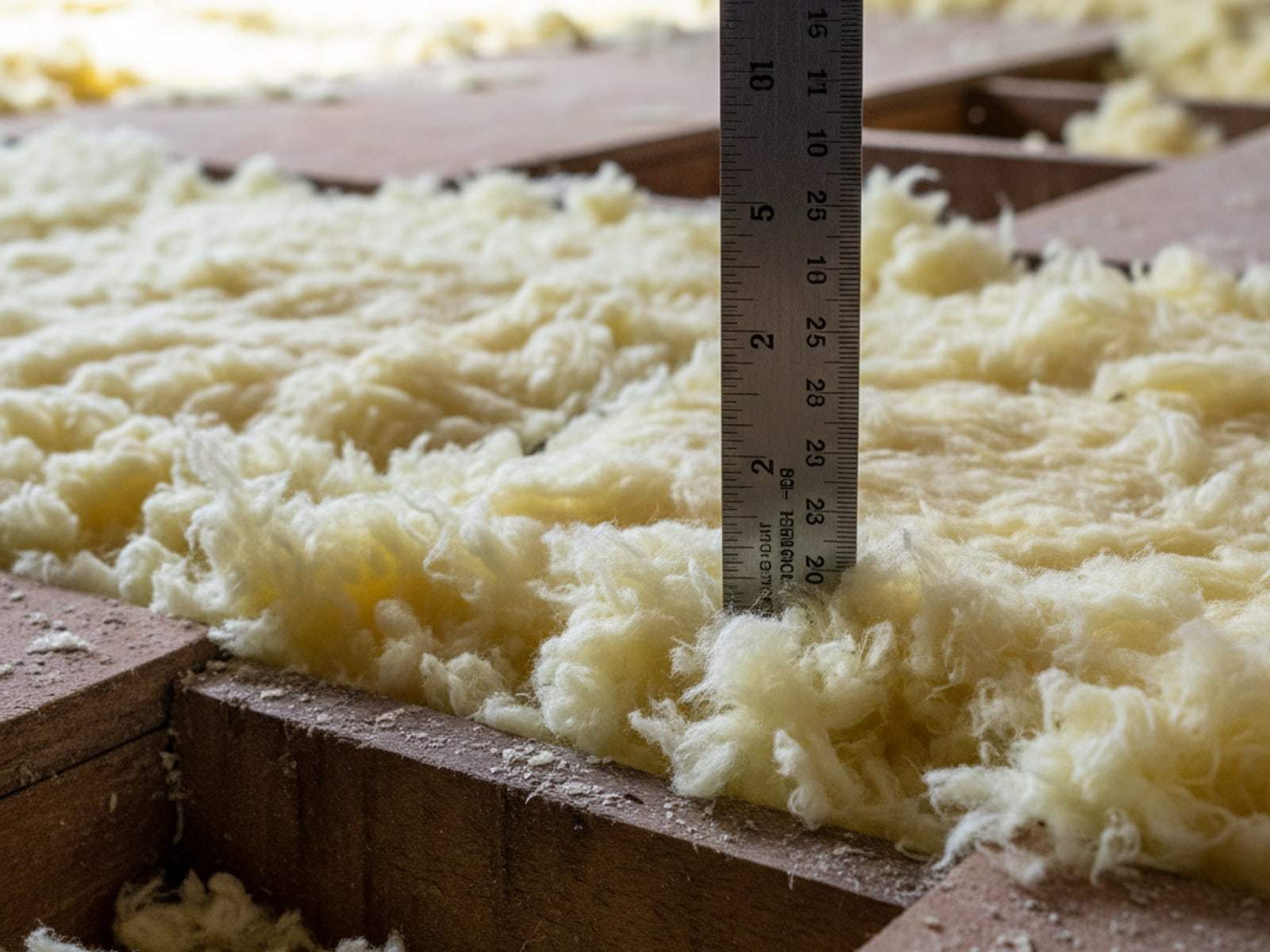
Cold bedrooms, high heating bills, uneven temperatures, and winter ice dams often point to problems above the ceiling. If your Brighton attic has thin, compressed, wet, or poorly distributed insulation, heat can escape through the attic floor and warm the roof surface unevenly.
- Attic inspection
- Air sealing
- Blown-in insulation
- Ventilation
Attic Mold Removal Rochester Pros provides attic insulation assessments, insulation removal and replacement, attic air sealing, ventilation recommendations, and related moisture-control services in Brighton, NY.
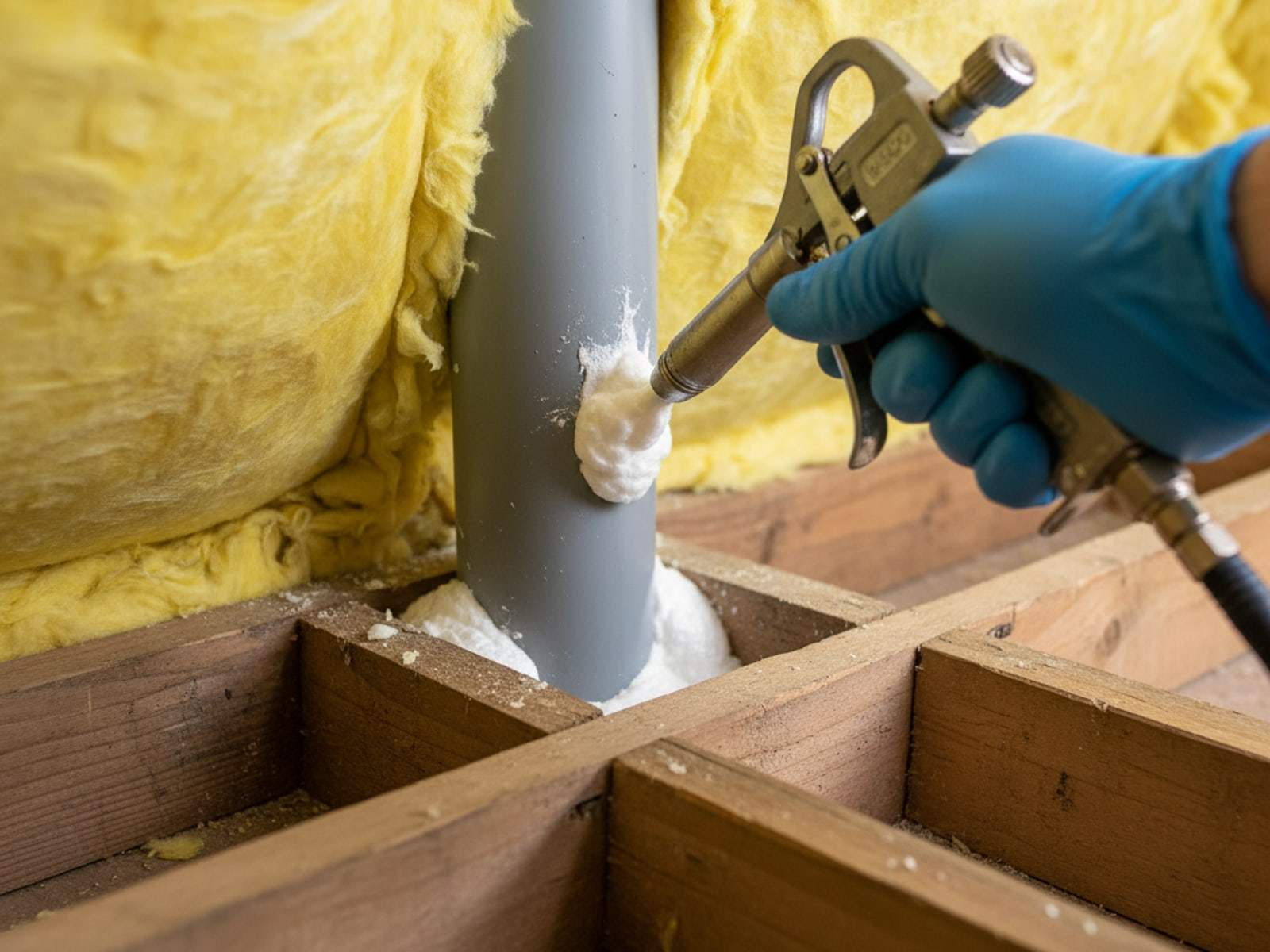
Before adding insulation, the attic should be inspected for roof leaks, condensation, mold, blocked soffits, recessed lights, exhaust fans, and air leaks around plumbing and electrical penetrations. Adding insulation over a moisture problem may hide damage rather than solve it.
Why Brighton attics lose heat
Brighton includes older neighborhoods, interwar homes, Cape Cods, Tudors, colonials, renovated properties, and newer construction. Attic assemblies vary substantially from one home to another.
Common causes of attic heat loss and moisture problems include:
- Insufficient insulation depth.
- Compressed fiberglass.
- Gaps around framing.
- Unsealed attic hatches.
- Recessed-light penetrations.
- Plumbing and electrical bypasses.
- Bathroom fans venting into the attic.
- Missing soffit baffles.
- Blocked intake vents.
- Inadequate exhaust ventilation.
- Roof leaks.
- High indoor humidity.
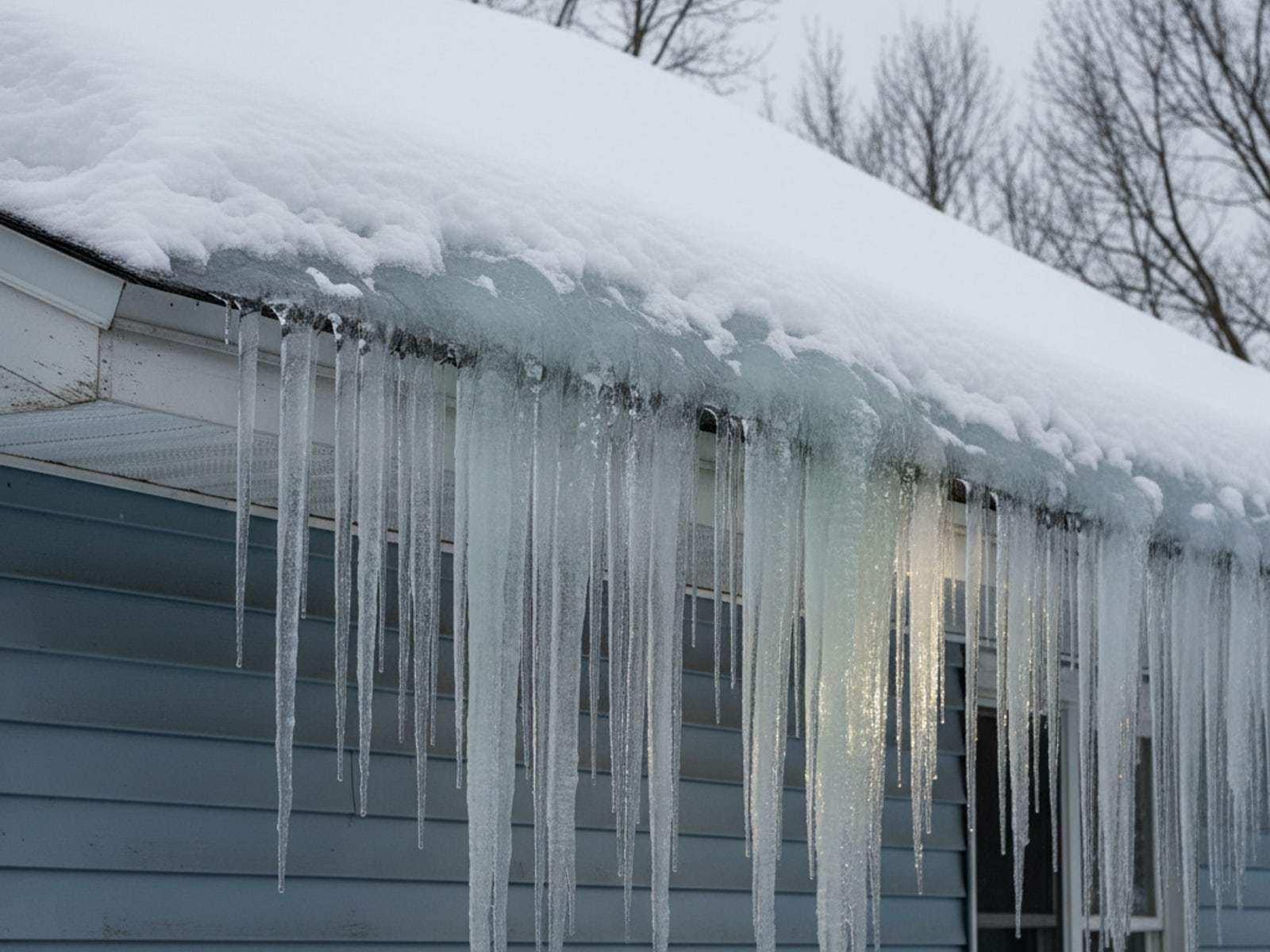
In winter, warm indoor air can move through ceiling openings into the attic. If that air reaches cold roof sheathing, condensation may form. Snow can also melt unevenly when heat escapes through the roof, increasing the potential for ice dams along colder eaves.
ENERGY STAR recommends air sealing before adding insulation, and identifies drafty rooms, uneven temperatures, high bills, and ice dams as signs that a home may benefit from an attic insulation project.
What attic insulation can improve
A properly designed attic upgrade may help:
- Reduce winter heat loss.
- Improve upstairs comfort.
- Reduce temperature differences between rooms.
- Limit heat gain during summer.
- Reduce drafts caused by ceiling bypasses.
- Lower the risk of condensation.
- Support ice-dam prevention.
- Protect attic framing from moisture.
- Improve heating and cooling system performance.
Actual energy savings depend on the existing insulation, air leakage, heating system, building design, weather, and how the work is installed.
Brighton attic insulation services
Attic insulation inspection
The attic is evaluated for insulation depth, coverage, moisture, mold, pests, ventilation, ductwork, wiring, and air leakage.
Blown-in cellulose
Blown-in cellulose can fill irregular areas and provide a continuous layer across the attic floor. It may be suitable for retrofit work when the attic is dry and the existing material is sound.
Blown-in fiberglass
Blown-in fiberglass is lightweight and can be distributed evenly across large attic floors. Proper depth and coverage are important for performance.
Fiberglass batts
Fiberglass batts may work in accessible attic areas, knee walls, and selected retrofit applications. Gaps, compression, and poor fitting can reduce performance.
Spray foam
Spray foam can provide insulation and air sealing in certain areas, but it costs more and requires careful design. It is not automatically the best choice for every attic.
Insulation removal
Insulation may need removal when it is:
- Wet.
- Mold-contaminated.
- Pest-damaged.
- Heavily soiled.
- Compressed.
- Saturated by a roof leak.
- Mixed with debris.
- Hiding damaged roof sheathing.
Attic air sealing
Air sealing may include addressing:
- Attic hatches.
- Top plates.
- Plumbing penetrations.
- Electrical wiring.
- Recessed lights.
- Chimney chases.
- Duct penetrations.
- Dropped soffits.
- Interior partition walls.
Ventilation improvements
Ventilation work may include inspecting or improving:
- Soffit vents.
- Rafter vents.
- Ridge vents.
- Gable vents.
- Roof vents.
- Bathroom exhaust termination.
Insulation should not block soffit airflow. ENERGY STAR recommends preserving ventilation pathways and using rafter vents or baffles when necessary.
Insulation and ice dams in Brighton
Ice dams form when heat escaping from the home warms the roof above the heated space while the eaves remain cold. Snow melts on the warmer roof area, moves toward the colder edge, and refreezes.
A complete ice-dam strategy may include:
- Air sealing the attic floor.
- Increasing insulation.
- Preserving soffit-to-ridge airflow.
- Repairing roof leaks.
- Improving roof flashing.
- Managing indoor humidity.
- Reviewing roof design and drainage.
- Coordinating with a roofing professional.
Attic insulation alone cannot correct every ice-dam cause. Brighton homes with mature tree shade, roof complexity, or older ventilation systems may need a combined roofing and insulation assessment.
Recommended R-value
R-value measures resistance to heat flow. ENERGY STAR commonly recommends upgrading attic insulation toward approximately R-60 in cold climates, although the correct target depends on existing insulation, code considerations, building design, and the scope of the project.
A contractor should explain:
- Existing insulation depth.
- Approximate existing R-value.
- Recommended target.
- Material and expected final depth.
- Whether the material settles.
- Air-sealing areas.
- Ventilation requirements.
- Treatment around lights and chimneys.
The number of inches alone does not tell the entire story. Gaps, compression, moisture, air movement, and blocked vents can reduce the effective performance.
The Brighton insulation process
-
Inspection
The attic is measured and reviewed for insulation, moisture, leaks, mold, ventilation, wiring, and access.
-
Moisture correction
Roof, plumbing, condensation, or exhaust problems should be corrected before insulation is installed.
-
Air sealing
Ceiling penetrations and bypasses are sealed before adding insulation.
-
Ventilation preparation
Baffles are installed or repaired so insulation does not block soffit intake airflow.
-
Removal if needed
Old or contaminated insulation is removed using appropriate protective and disposal procedures.
-
Installation
The selected material is installed evenly to the planned depth and coverage.
-
Quality review
The finished attic is checked for gaps, exposed areas, blocked vents, unsafe fixture coverage, and missed air leaks.
Brighton attic insulation cost
| Service | Typical planning range |
|---|---|
| Attic inspection | $150 to $400 |
| Air sealing | $350 to $1,500 |
| Blown-in insulation | $1,500 to $4,000 |
| Fiberglass batts | $1,000 to $3,500 |
| Spray foam | $2,500 to $7,000+ |
| Insulation removal | $1,000 to $3,000 |
| Ventilation improvements | $400 to $2,000+ |
| Full attic upgrade | $2,500 to $8,000+ |
Costs depend on attic size, material, access, insulation depth, removal, air sealing, ventilation, moisture repairs, and the target R-value.
Some Brighton and Rochester-area homeowners may qualify for utility or state energy incentives. Eligibility, contractor requirements, and payment amounts can change, so verify current program terms before beginning work.
Safety considerations
Attics can contain exposed nails, limited walking surfaces, electrical hazards, high temperatures, pests, mold, and older insulation materials. ENERGY STAR specifically warns about wet insulation, moldy rafters, exhaust fans venting into attics, inadequate ventilation, and possible vermiculite insulation. Vermiculite should not be disturbed until it has been evaluated for asbestos risk.
Professional help is appropriate when access is difficult, moisture is present, mold is visible, insulation is contaminated, or the attic contains questionable wiring or materials.
Why choose Attic Mold Removal Rochester Pros?
Attic Mold Removal Rochester Pros approaches attic insulation as part of a complete building-envelope solution. The focus is on:
- Assessing existing conditions.
- Identifying moisture before installation.
- Air sealing first.
- Protecting ventilation pathways.
- Removing damaged material when necessary.
- Coordinating mold, roof, or ventilation work.
- Providing a clear written scope.
Frequently asked questions
Should I remove old attic insulation before adding new insulation?
Not always. Dry, clean, undamaged insulation may be topped up. Wet, moldy, pest-damaged, or heavily contaminated material should be assessed and may need removal.
Can attic insulation prevent ice dams?
Proper air sealing, insulation, and ventilation can reduce heat loss and help reduce ice-dam conditions. Roof design, snow, gutters, flashing, and weather also matter.
Is blown-in cellulose better than fiberglass?
Neither is automatically better. Cellulose can fill irregular spaces, while fiberglass is lightweight and moisture-resistant in certain applications. The best choice depends on the attic and project goals.
Should bathroom fans vent into the attic?
No. Moist bathroom air should be exhausted to the exterior through properly installed ductwork. Venting into the attic can increase condensation and mold risk.
How long does attic insulation installation take?
Many straightforward projects can be completed in one or two days, but removal, air sealing, ventilation work, mold, repairs, or difficult access may extend the schedule.
Brighton, NY
Schedule a Brighton attic insulation assessment
If your Brighton home has cold rooms, high heating bills, attic moisture, or recurring ice dams, contact Attic Mold Removal Rochester Pros for an attic inspection and written insulation recommendations.