Rochester, NY · Black Mold Removal
Black Mold Removal Rochester NY: Best Black Mold Remediation
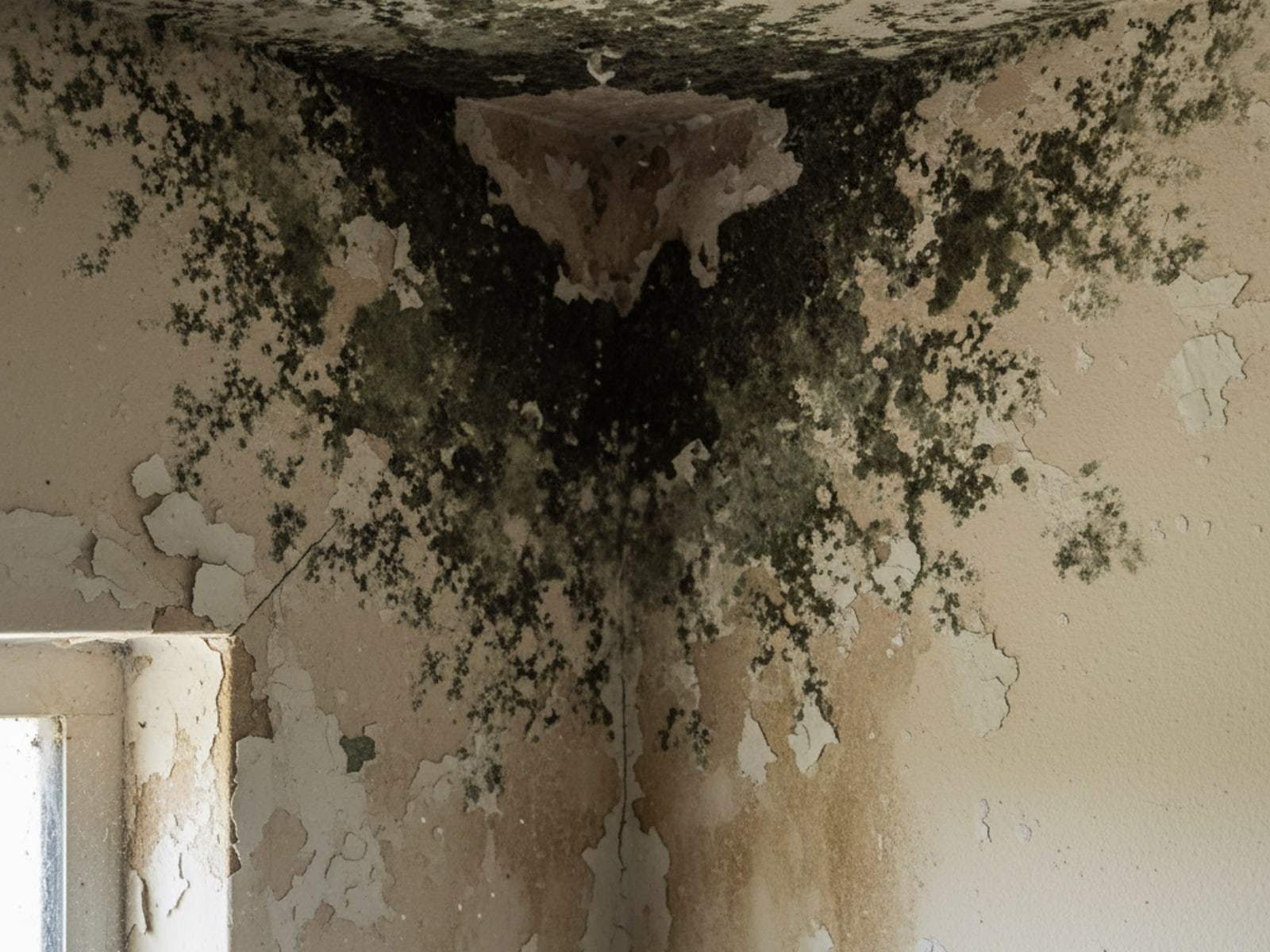
Have you discovered dark mold on drywall, basement walls, attic sheathing, insulation, ceilings, or around a roof leak? A musty odor can also indicate hidden mold behind walls, under flooring, or inside damp building materials.
- Mold testing
- Containment & HEPA
- Drywall & insulation removal
- Clearance testing
Professional Black Mold Remediation in Rochester
Attic Mold Removal Rochester Pros provides professional black mold removal, mold testing, mold inspections, moisture assessments, and complete mold remediation throughout Rochester, NY.
Do not scrub a large mold area, disturb contaminated insulation, or use a standard vacuum before the problem is assessed. These actions can spread mold spores and increase exposure. Call our Rochester team to schedule an inspection, request mold testing, or receive a free remediation estimate.
The goal of professional remediation is not simply to make black mold disappear. The complete solution involves identifying the moisture source, containing the affected area, removing contaminated materials, cleaning suitable surfaces, drying the structure, and reducing the chance of mold returning.
Black Mold Removal Rochester NY Cost
The cost of black mold removal depends on the size of the affected area, location, material damage, testing, containment, air filtration, demolition, moisture repairs, and post-remediation clearance.
| Black mold service | Average cost |
|---|---|
| Basic mold inspection | $250 to $500 |
| Mold testing with laboratory analysis | $300 to $1,200 |
| Moisture mapping and written report | $300 to $650 |
| Small single-room mold removal | $1,200 to $3,800 |
| Bathroom or basement remediation | $1,500 to $4,500 |
| Black mold remediation with containment | $2,500 to $6,500 |
| Crawlspace mold remediation | $1,800 to $4,200 |
| Attic mold removal | $1,500 to $6,000+ |
| Insulation or drywall removal | $500 to $3,000+ |
| Air scrubbing and HEPA filtration | $400 to $900 |
| Post-remediation clearance testing | $400 to $900 |
These figures are general estimates, not a fixed quote. Early detection may reduce the cost because a smaller affected area usually requires less containment, demolition, disposal, and rebuilding.
What Is Black Mold?
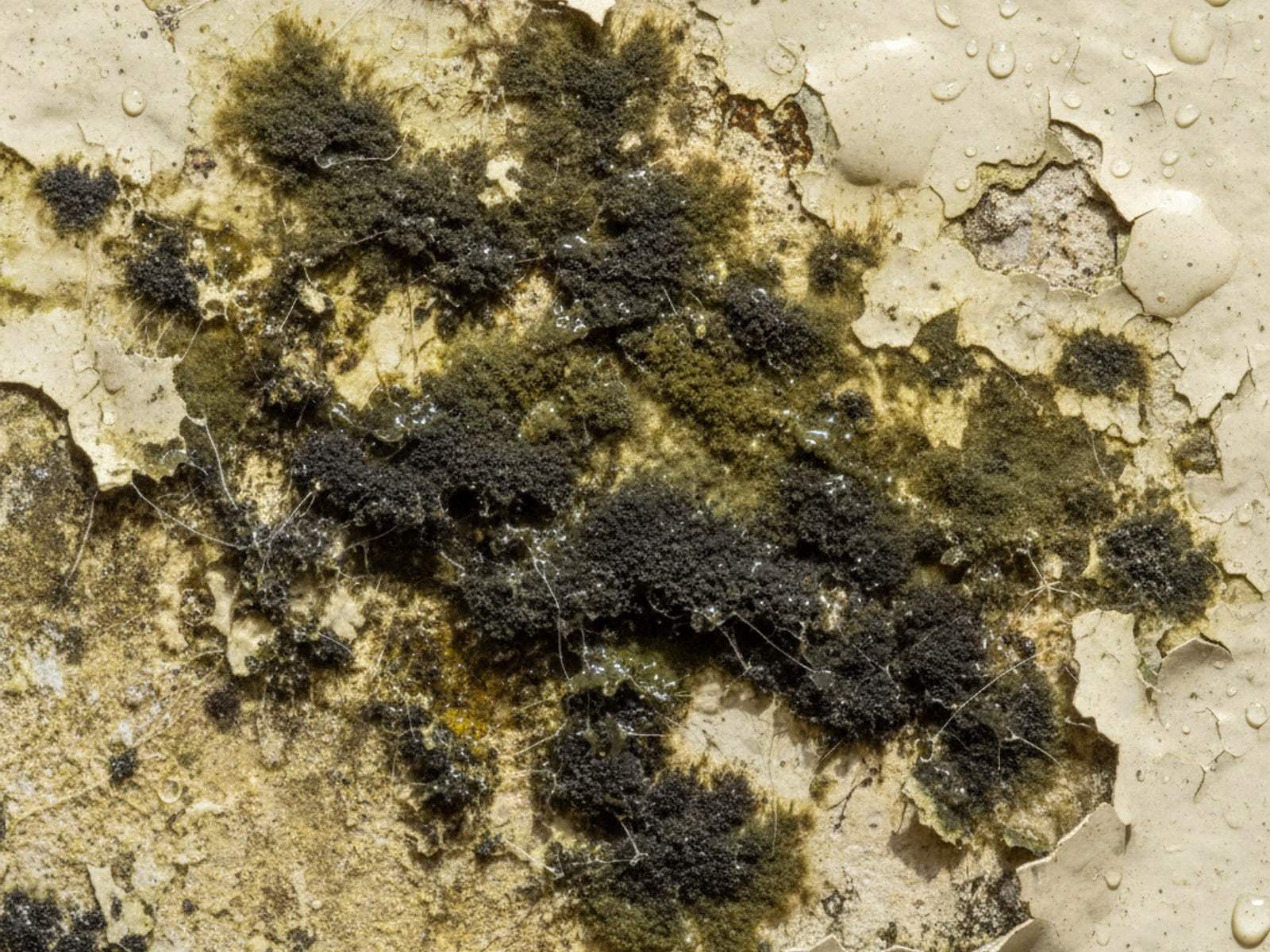
“Black mold” is a common term used for dark-colored mold, but color alone cannot identify the species or determine the health risk. Several mold types can appear black, green, gray, or brown. Laboratory testing may identify the types and concentration of mold spores, but visible mold should be addressed regardless of its exact color.
A mold problem develops when moisture remains available on or inside a suitable material. Common causes include:
- Plumbing leaks.
- Roof leaks.
- Foundation seepage.
- Flooding.
- Condensation.
- High indoor humidity.
- Poor bathroom ventilation.
- Wet insulation.
- Failed washing-machine hoses.
- Leaking water heaters.
- Ice dams.
- Basement dampness.
- Improper drainage.
- HVAC condensation.
Mold can grow on drywall, wood, insulation, carpeting, ceiling tiles, paper, upholstery, cardboard, and other porous materials. It may also grow on hard surfaces when dust, organic material, and moisture are present.
The most important step is stopping the water or moisture source. Removing surface mold without correcting the cause usually leads to recurring growth.
Why Rochester Homes Develop Black Mold
Rochester experiences cold winters, snow, ice, spring rainfall, warm humid summers, and seasonal temperature swings. These conditions create several opportunities for water intrusion and condensation.
Winter ice dams can force meltwater beneath roofing materials. Snow and wind can expose weaknesses around flashing, chimneys, roof valleys, skylights, and vents. In basements, heavy rain and snowmelt can place pressure on foundation walls and drainage systems.
Indoor humidity can also contribute to mold growth. Warm air may condense on cold basement walls, windows, pipes, roof sheathing, and poorly insulated surfaces. Inadequate bathroom exhaust can send moist air into an attic or allow humidity to remain trapped indoors.
Routine inspections can help identify:
- Water stains.
- Musty odors.
- Peeling paint.
- Soft drywall.
- Condensation.
- Dark discoloration.
- Damaged insulation.
- Warped flooring.
- Efflorescence.
- Damp foundation walls.
- Roof or plumbing leaks.
Mold Testing and Mold Assessment
Mold testing is useful when you need information about the presence, type, or concentration of mold spores. A professional mold assessment goes further by examining the building, locating moisture, documenting affected materials, and defining the likely extent of the problem.
Testing may be appropriate when:
- Mold is visible but the extent is unclear.
- A musty odor exists without an obvious source.
- Residents experience recurring respiratory symptoms.
- Someone in the home has asthma or a mold allergy.
- You are buying or selling a property.
- A previous leak was repaired but odors remain.
- HVAC systems may have been exposed.
- You need documentation for an insurance claim.
- A post-remediation clearance test is required.
Methods may include:
- Air sampling.
- Surface sampling.
- Bulk material sampling.
- Moisture-meter readings.
- Infrared scanning.
- Visual inspection.
- HVAC and insulation inspection.
- Relative humidity measurements.
Samples should be sent to an independent accredited laboratory when laboratory analysis is ordered. Testing results must be interpreted in context because outdoor mold levels, building conditions, sample location, and timing can affect the results.
A negative air sample does not prove that hidden mold is absent. If there is visible mold or known water damage, the physical condition of the property remains important.
Health Effects and Safety Precautions
Mold exposure affects people differently. The CDC states that people with asthma or mold allergies may experience more severe reactions, while individuals with compromised immune systems or chronic lung disease may face additional risks. The Institute of Medicine found evidence linking indoor mold exposure with upper-respiratory symptoms, cough, wheezing, asthma symptoms, and hypersensitivity pneumonitis in susceptible people.
Possible reactions include:
- Sneezing.
- Nasal congestion.
- Runny nose.
- Coughing.
- Wheezing.
- Shortness of breath.
- Eye irritation.
- Throat irritation.
- Skin rashes.
- Fatigue.
- Headaches.
- Flu-like symptoms.
- Worsening asthma.
- Allergic reactions.
These symptoms can have many causes and are not proof of mold exposure. Anyone experiencing health concerns should consult a healthcare professional.
Children, infants, older adults, people with asthma, individuals with mold allergies, and those with weakened immune systems should avoid entering visibly contaminated areas. People with asthma or other lung conditions should not clean visible mold themselves.
Personal protective equipment for mold cleanup may include:
- An N95 respirator or appropriate respirator.
- Safety goggles.
- Disposable gloves.
- Protective clothing or coveralls.
- Disposable shoe covers.
PPE does not make unsafe remediation safe by itself. Proper containment, ventilation, removal procedures, and moisture control are also necessary.
Professional Black Mold Removal Services
Black mold inspection
We inspect affected rooms, adjacent areas, wall cavities where accessible, attics, basements, crawlspaces, insulation, HVAC components, and other likely moisture locations.
Mold testing
Air and surface testing can provide information about mold spores and support a written mold assessment.
Basement mold remediation
Basement remediation may involve removing damaged drywall, cleaning masonry and framing, treating suitable surfaces, drying the space, and correcting seepage or humidity.
Attic mold removal
Attic work may include removing contaminated insulation, cleaning roof sheathing and framing, inspecting ventilation, repairing leaks, and installing replacement insulation after the area is dry.
Crawlspace mold remediation
Crawlspace services may include moisture assessment, mold cleaning, vapor-barrier recommendations, dehumidification, insulation removal, and drainage improvements.
HVAC and ductwork assessment
If mold or dust has entered an HVAC system, the system should be evaluated before operation spreads particles through the home. HVAC systems may need to be shut down or isolated during active remediation.
Drywall and insulation removal
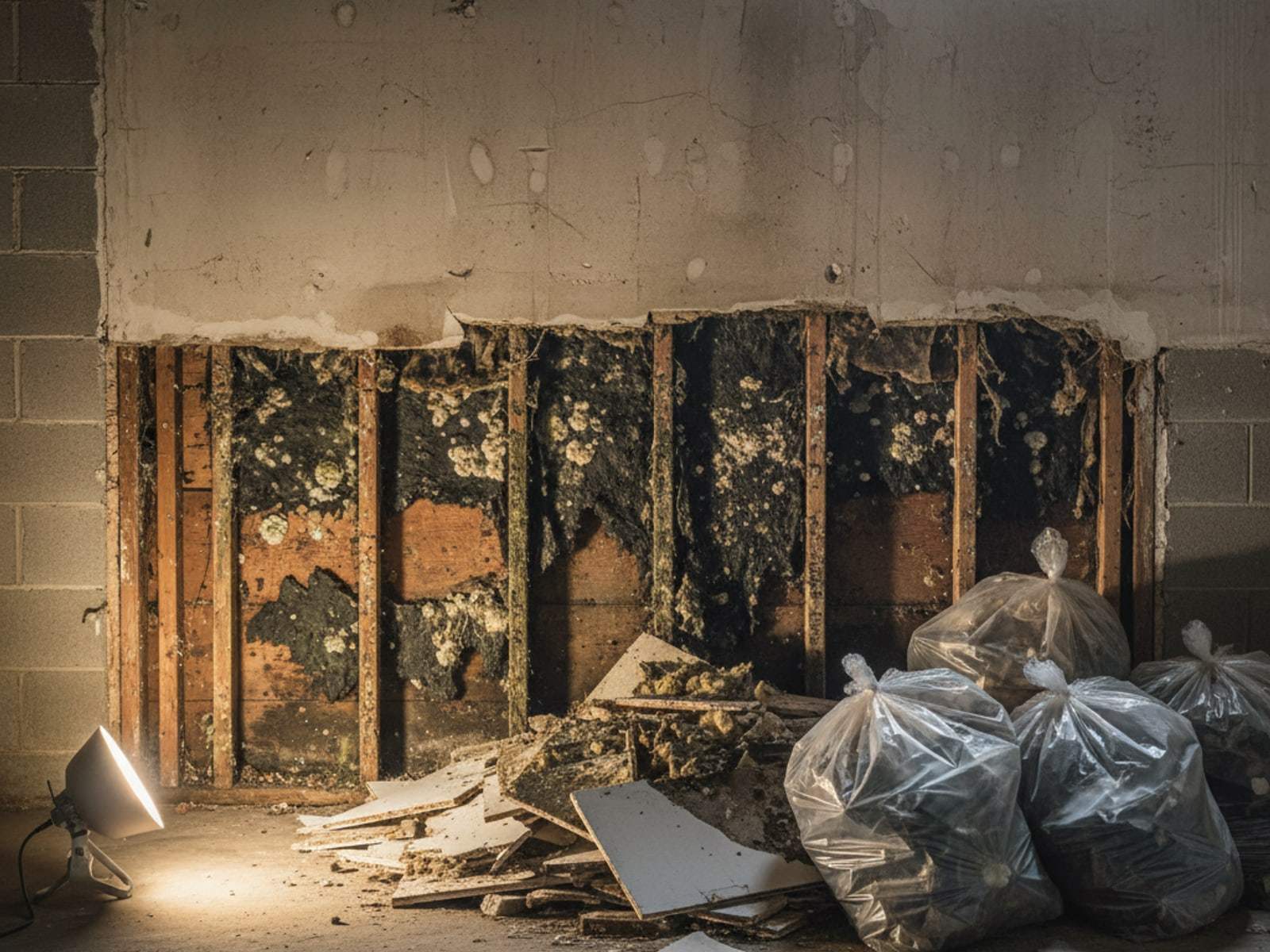
Porous materials with extensive mold growth may need to be removed because mold can penetrate beyond the visible surface. New York’s Department of Health advises discarding porous materials with extensive growth, including drywall, insulation, carpeting, and ceiling materials.
Moisture-source correction
We identify conditions such as leaks, condensation, high humidity, foundation seepage, plumbing failures, and poor ventilation that allow mold to grow.
HEPA cleaning
HEPA vacuums and air scrubbers can help capture settled and airborne particles when used as part of a controlled remediation process. The EPA recommends HEPA vacuuming for final cleanup after contaminated materials are removed and affected areas are thoroughly dried.
DIY Mold Removal Versus Professional Remediation
A homeowner may be able to clean a small amount of mold on a hard, non-porous surface after correcting the moisture source. Even then, appropriate PPE, ventilation, cleaning procedures, and safe disposal are important.
Professional remediation is strongly recommended when:
- The affected area is larger than 10 square feet.
- Mold affects drywall, insulation, carpeting, or ceiling tiles.
- There has been significant water damage.
- Mold is inside walls or HVAC systems.
- The source of moisture is unknown.
- The odor is widespread.
- The property has vulnerable occupants.
- The building has multiple units.
- The contamination keeps returning.
- You need insurance or clearance documentation.
Do not use a standard household vacuum on mold. It may spread spores throughout the air. Do not paint over mold or apply a sealant before the material is cleaned and dried.
Bleach is not a universal solution, particularly for porous materials. New York State guidance emphasizes removing extensively moldy porous materials and correcting the moisture source rather than relying on surface chemicals alone.
The Black Mold Remediation Process
-
Inspection and documentation
The technician records visible mold, water damage, odors, affected materials, moisture readings, and possible causes. Photographs can support insurance and repair documentation.
-
Testing and assessment
When appropriate, air, surface, or bulk samples are collected. A written assessment identifies the location and extent of the mold problem.
-
Remediation plan
For larger qualifying projects, the remediation plan should outline containment, removal, cleaning, drying, disposal, and clearance procedures.
-
Containment
The affected area is isolated with plastic barriers and sealed openings. Negative air machines and air scrubbers may be used to keep contaminated air from moving into clean areas.
-
HVAC protection
HVAC systems may be shut down or isolated during remediation to limit cross-contamination. Registers, returns, and nearby equipment are protected as appropriate.
-
Removal and disposal
Mold-damaged drywall, insulation, carpet, and other porous materials are carefully removed, bagged, sealed, and disposed of according to the project requirements.
-
Cleaning and HEPA vacuuming
Remaining structural surfaces are cleaned using appropriate methods. HEPA vacuuming removes settled particles after contaminated materials have been removed and the space is dry.
-
Drying and repairs
Dehumidifiers, air movement, and ventilation may be used to dry the area. Leaks, drainage problems, roof defects, plumbing failures, and ventilation issues must be corrected.
-
Rebuilding
Replacement drywall, insulation, flooring, trim, or other materials should be installed only after the area is clean, dry, and ready for reconstruction.
-
Final clearance testing
An independent assessor may conduct a final visual inspection, moisture review, and clearance testing. Documentation may include laboratory results, photographs, moisture readings, and a completion report.
New York Mold Remediation Requirements
New York State has specific licensing rules for larger mold projects. For mold contamination exceeding 10 square feet, property owners generally need a New York State Department of Labor-licensed mold assessor to prepare the assessment and remediation plan, and a separate licensed mold remediation contractor to perform the work.
The assessor and remediator should be independent. The New York State Department of Labor explains that owners are not required to clean up mold, but when they choose to assess and remediate a qualifying mold project, the applicable licensed professionals and procedures must be followed.
Requirements can vary according to property type and project circumstances. Verify current rules and license status before hiring a contractor.
Black Mold Removal and Insurance
Insurance coverage depends on the policy and cause of the mold. A policy may cover mold resulting from a sudden, covered event, such as a burst pipe, but may exclude long-term seepage, flooding, poor maintenance, humidity, or preventable leaks.
Before major work:
- Photograph visible mold and water damage.
- Record dates and locations.
- Save inspection and testing reports.
- Notify your insurer promptly.
- Ask whether an adjuster must inspect the property.
- Keep invoices and repair records.
- Document the moisture source and its repair.
- Request written explanations of coverage decisions.
A mold-remediation warranty may cover workmanship for a defined period, but it cannot guarantee that future leaks or moisture problems will not produce new growth. Review the duration, exclusions, moisture-control obligations, and transfer terms before accepting a warranty.
Why Choose Attic Mold Removal Rochester Pros?
Attic Mold Removal Rochester Pros provides organized, evidence-based mold remediation for Rochester-area homes and properties.
Homeowners choose us for:
- Thorough inspections.
- Moisture-source investigation.
- Containment and negative air.
- HEPA filtration.
- Safe removal of porous materials.
- Attic, basement, crawlspace, and bathroom remediation.
- Testing and documentation.
- Coordination with plumbers, roofers, insulation contractors, and builders.
- Post-remediation clearance support.
- Clear written scopes and estimates.
Our priority is to address the mold problem at its source rather than temporarily covering visible staining.
Frequently Asked Questions
How much does black mold removal cost in Rochester?
Small projects may cost approximately $1,200 to $3,800. Larger remediation projects with containment, air scrubbing, demolition, and clearance testing commonly range from $2,500 to $6,500 or more.
Can black mold be completely removed?
Mold can often be remediated by removing contaminated porous materials, cleaning suitable surfaces, drying the structure, and correcting the moisture source. New mold can develop later if leaks, humidity, or condensation return.
How dangerous is black mold?
Color alone does not determine toxicity or risk. Mold can cause allergic and irritation symptoms, worsen asthma, and create greater concerns for susceptible individuals. Visible or widespread mold should be professionally assessed.
Should I test before removing mold?
Testing can be useful when the extent or source is unclear, for insurance documentation, before buying or selling, or when clearance is required. Visible mold does not need to wait for laboratory confirmation before the moisture source is corrected.
Can I remove black mold myself?
Small areas on hard, non-porous surfaces may be manageable for some homeowners after correcting moisture and using suitable PPE. Larger contamination, porous materials, HVAC exposure, and medically sensitive occupants require professional intervention.
Will insurance pay for mold remediation?
It depends on the policy and cause of damage. Mold caused by a covered sudden event may be eligible, while long-term leaks, flooding, and maintenance issues may be excluded.
How long does mold remediation take?
A small room may take one to three days. Larger basement, attic, crawlspace, or whole-property projects may require several days or longer, especially when rebuilding and drying are included.
What is clearance testing?
Clearance testing is a post-remediation evaluation that may include visual inspection, moisture checks, air sampling, or surface sampling. It helps verify that the documented work was completed and the area is ready for reconstruction or occupancy.
Rochester, NY
Schedule Rochester Mold Removal
Do not ignore dark staining, persistent odors, water damage, or recurring symptoms in your home. Black mold can continue spreading when moisture remains hidden behind walls, under flooring, inside insulation, or around plumbing and roofing components.
Attic Mold Removal Rochester Pros provides black mold inspection, mold testing, basement remediation, attic mold removal, crawlspace services, HEPA cleaning, moisture correction, and post-remediation documentation throughout Rochester, NY.
Call today to schedule a professional mold inspection or request a free black mold removal estimate. The sooner the moisture source and contamination are assessed, the easier it may be to control the total remediation cost.