Henrietta, NY · Mold Removal
Mold Removal Henrietta NY
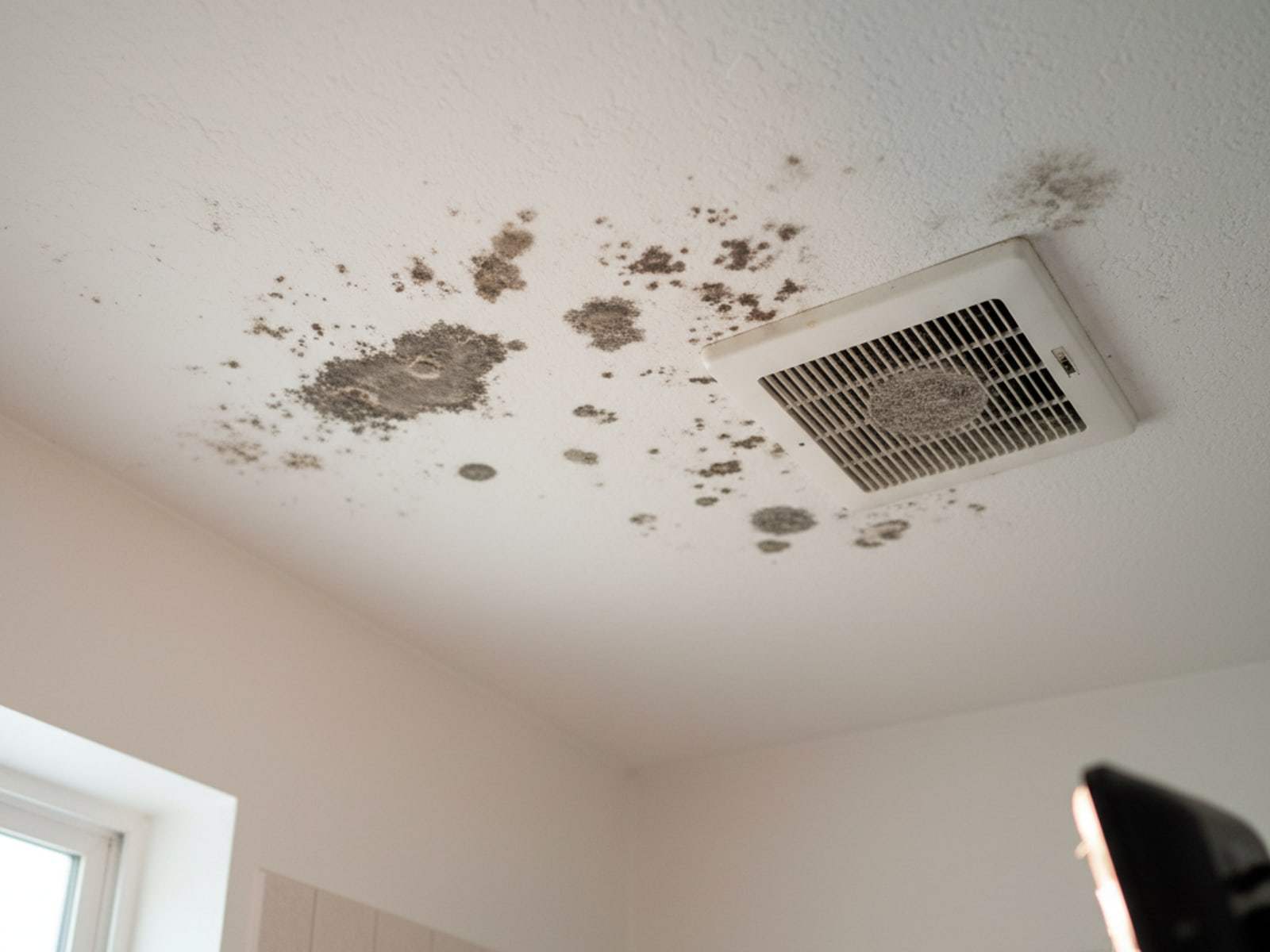
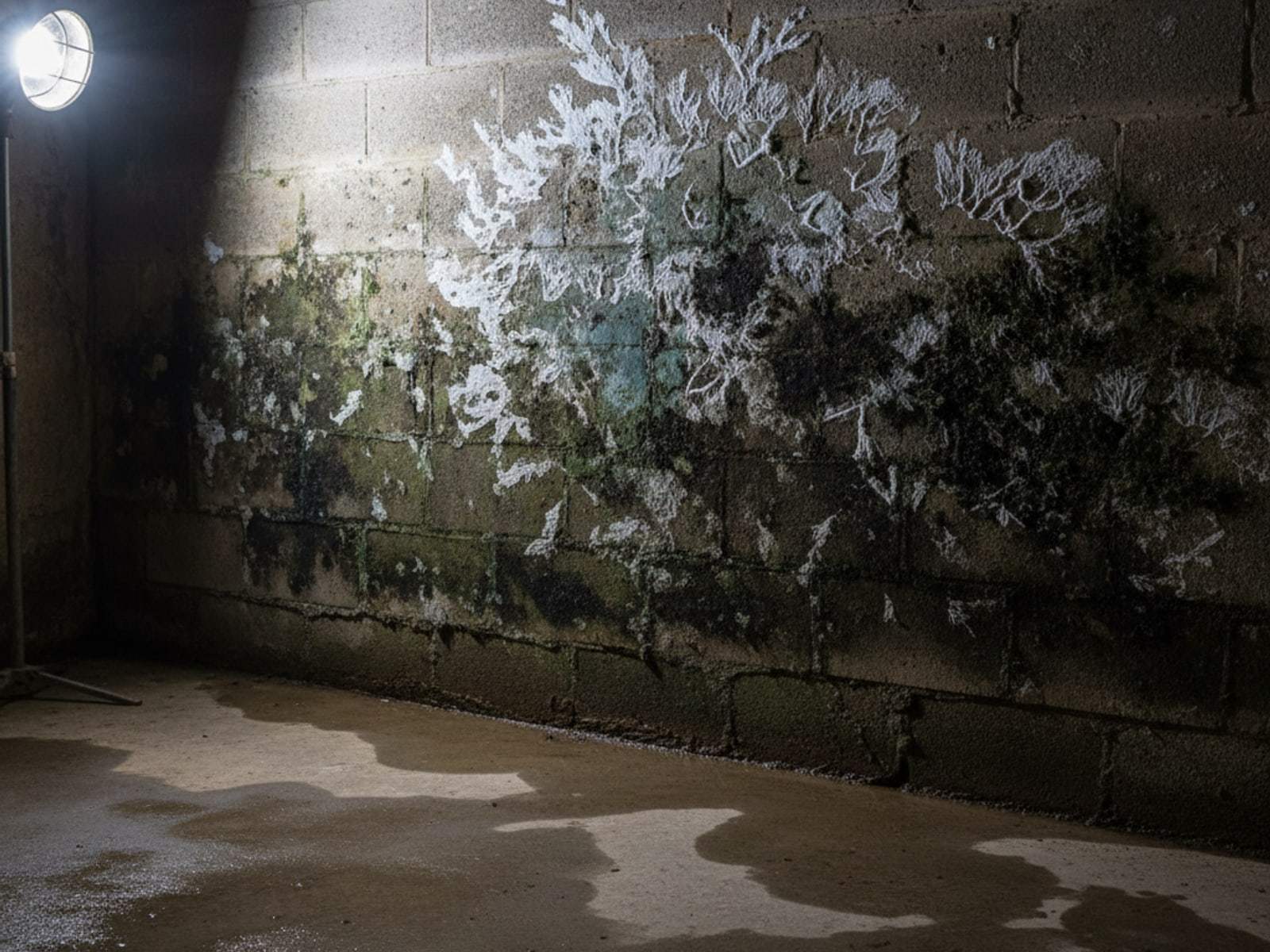
A musty basement, dark staining around a window, or mold discovered after a plumbing leak can leave Henrietta homeowners unsure what to do next. Mold may be visible on a wall while also affecting insulation, carpet, framing, subflooring, or hidden cavities.
- Property inspection
- Moisture readings
- Containment
- Cleaning & drying
Professional Mold Removal in Henrietta, NY
Attic Mold Removal Rochester Pros provides mold removal, mold remediation, mold inspections, moisture assessments, and related attic, basement, and crawlspace services in Henrietta, NY.
If you have found mold or continue to smell a musty odor after cleaning, arrange an inspection before disturbing the affected area. A professional assessment can identify the moisture source, determine which materials are affected, and explain whether cleaning, removal, drying, or reconstruction is needed.
What Mold Removal Involves
Mold removal is the physical cleaning or removal of contaminated material. A complete project may also involve remediation steps such as:
- Locating the moisture source.
- Protecting clean areas.
- Containing the work zone.
- Removing unsalvageable materials.
- Cleaning suitable surfaces.
- HEPA filtration.
- Drying the structure.
- Repairing leaks or ventilation problems.
- Replacing insulation or drywall.
- Conducting a final inspection.
Simply spraying a product on visible growth is rarely a complete solution when the material is porous or the moisture problem remains active.
Common Mold Locations in Henrietta Homes
Henrietta includes established suburban neighborhoods, older homes, newer construction, finished basements, additions, crawlspaces, and properties with varying drainage and ventilation designs.
Mold commonly appears in:
- Basements.
- Crawlspaces.
- Attics.
- Bathrooms.
- Laundry rooms.
- Under sinks.
- Around water heaters.
- Near sump pits.
- Behind finished walls.
- Under flooring.
- Around windows.
- Inside damp insulation.
- HVAC areas.
Signs You May Need Mold Removal
Contact a professional if you notice:
- Musty or earthy odors.
- Discolored patches.
- Fuzzy growth.
- Water stains.
- Peeling paint.
- Soft drywall.
- Damp carpet.
- Swollen trim.
- Recurring condensation.
- Wet insulation.
- Mold returning after cleaning.
- Unexplained indoor irritation.
- Mold after flooding or a leak.
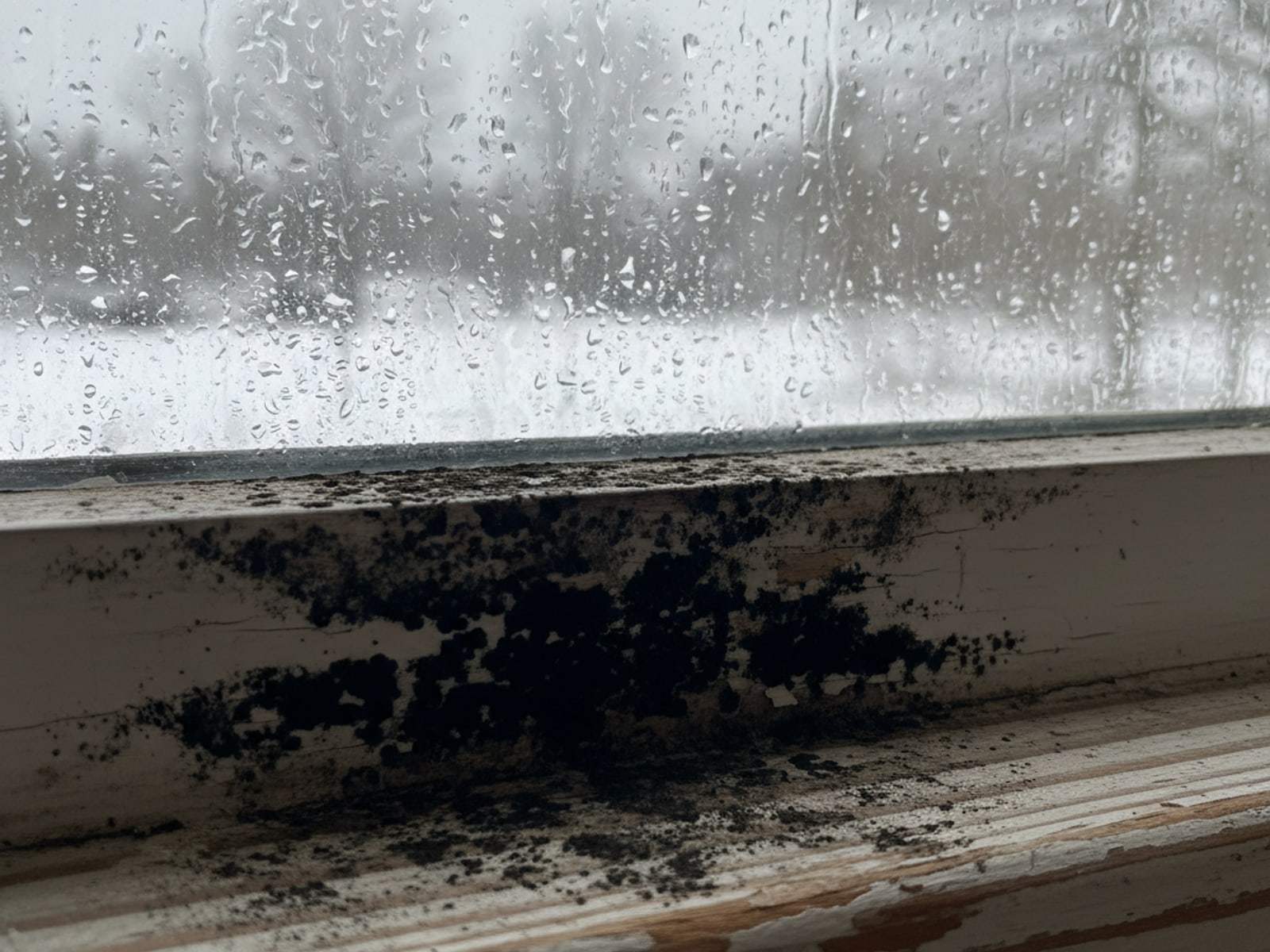
Mold may be black, gray, green, white, brown, or orange. Color alone cannot identify a species or determine how serious the problem is.
People with asthma or mold allergies may be more sensitive to damp environments. Keep children, people with respiratory conditions, and immunocompromised occupants away from heavily contaminated rooms.
Causes of Mold Growth
Mold requires moisture. In Henrietta homes, common moisture sources include:
- Plumbing leaks.
- Roof leaks.
- Ice dams.
- Foundation seepage.
- Poor grading.
- Blocked downspouts.
- Condensation.
- High humidity.
- Bathroom ventilation problems.
- Wet crawlspace soil.
- Appliance failures.
- Sump-pump problems.
- Flooding.
- Duct condensation.
New York State recommends identifying and correcting the water or dampness source and discarding porous materials with extensive mold growth.
Inspection and Testing
A mold inspection examines the property for visible growth, moisture, damaged materials, ventilation issues, and likely sources. Testing involves collecting samples for laboratory analysis.
Inspection tools may include:
- Moisture meters.
- Infrared cameras.
- Visual examination.
- Air and surface sampling.
- Attic and insulation review.
- Basement and crawlspace evaluation.
- HVAC-area inspection.
Testing may be appropriate when:
- The source is hidden.
- A musty odor has no visible cause.
- The home is being bought or sold.
- Documentation is required.
- Occupants have concerns.
- HVAC contamination is suspected.
- Clearance testing is requested.
Visible mold does not always require laboratory testing before removal. The physical condition of the building remains the priority.
Henrietta Mold Removal Process
-
Property inspection
The affected rooms and nearby areas are documented. The inspection identifies visible mold, moisture, odors, and damaged materials.
-
Moisture investigation
Moisture readings and thermal imaging may help identify wet areas behind walls, beneath flooring, or near foundations.
-
Written scope
The estimate should state what will be contained, removed, cleaned, dried, tested, and repaired.
-
Containment
Barriers, sealed openings, negative-air machines, and air scrubbers may limit the movement of spores into clean rooms.
-
Material removal
Extensively affected drywall, insulation, carpet, padding, or ceiling materials may need disposal. EPA guidance recognizes that mold can penetrate porous materials.
-
Cleaning
Suitable wood, masonry, concrete, and other hard surfaces are cleaned using appropriate methods. HEPA vacuuming may help collect settled particles.
-
Drying
The affected area is dried thoroughly. Dehumidifiers and air movement may be used, but equipment does not replace repairs to leaks or drainage.
-
Source correction
Plumbing, roofing, foundation, ventilation, grading, or HVAC issues are addressed.
-
Final review
The area is checked for visible mold and remaining moisture. Independent clearance testing may be arranged when appropriate.
Basement and Attic Services
Related services for Henrietta homeowners may include:
- Basement mold cleanup.
- Attic mold removal.
- Moldy insulation removal.
- Attic insulation replacement.
- Crawlspace moisture control.
- Vapor-barrier recommendations.
- Dehumidification.
- Sump-pump coordination.
- Roof-leak investigation.
- Minor drywall removal.
- HVAC-area assessment.
- Water-damage cleanup.
The correct sequence is to repair the moisture source, remove or clean affected materials, dry the structure, and then rebuild.
New York Mold Regulations
New York’s Department of Labor regulates covered mold assessment and remediation through Article 32. The Mold Program establishes licensing requirements and minimum work standards for professionals performing covered work.
For larger projects, homeowners should verify:
- Whether a licensed assessor is required.
- Who prepares the remediation plan.
- Who performs the remediation.
- Whether the assessor and remediator are independent.
- How license information can be checked.
Henrietta Mold Removal Cost
| Service | Typical planning range |
|---|---|
| Mold inspection | $250 to $700 |
| Mold testing | $300 to $1,200 |
| Small surface cleanup | $500 to $1,500 |
| Single-room removal | $1,200 to $4,500 |
| Basement remediation | $1,800 to $6,500 |
| Attic mold removal | $1,500 to $6,000+ |
| Crawlspace work | $1,500 to $4,500 |
| Clearance testing | $400 to $900 |
Costs depend on access, contamination size, material removal, containment, drying, disposal, repairs, and documentation.
Frequently Asked Questions
Can mold be removed without removing drywall?
Sometimes, if the growth is limited to a cleanable surface and the drywall remains dry and structurally sound. Extensive or deep contamination may require removal.
Do I need testing if mold is visible?
Not necessarily. Testing may be useful for documentation or hidden sources, but visible mold and moisture damage can often be addressed based on inspection findings.
Can I clean basement mold myself?
A small amount on a hard surface may be manageable with proper PPE after correcting the moisture source. Large areas, porous materials, hidden growth, or HVAC contamination require professional help.
How long does mold removal take?
A small project may take one to three days. Larger projects involving demolition, drying, insulation, or reconstruction can take longer.
Will insurance cover mold removal?
Coverage depends on the policy and cause. Sudden covered water damage may be treated differently from long-term seepage, flooding, or maintenance issues.
Henrietta, NY
Arrange Henrietta Mold Removal
If you have visible mold, water damage, or a recurring musty smell, contact Attic Mold Removal Rochester Pros to schedule a Henrietta mold inspection and request a written estimate.