Webster, NY · Attic Insulation
Attic Insulation Webster NY
If your Webster home has cold bedrooms, high heating costs, uneven temperatures, or recurring ice dams, heat may be escaping through the attic. Old, compressed, incomplete, or damp insulation can reduce comfort and contribute to condensation and roof problems.
- Lake-effect snow
- Air sealing
- Blown-in insulation
- Ice-dam prevention
Professional Attic Insulation in Webster, NY
Attic Mold Removal Rochester Pros provides attic insulation assessments, blown-in insulation, fiberglass insulation, insulation removal and replacement, attic air sealing, and ventilation recommendations in Webster, NY.
Webster’s lakeside location and exposure to winter snow, wind, freeze-thaw cycles, and storm moisture make a properly designed attic system especially important. A complete upgrade should consider insulation, air leakage, ventilation, roof conditions, and moisture.
Why Webster Attics Develop Problems
Webster properties include older village homes, ranches, colonials, newer subdivisions, lake-area homes, and remodelled properties. Attic construction can vary substantially.
Common problems include:
- Thin attic insulation.
- Compressed fiberglass.
- Missing insulation.
- Air leaks around ceiling openings.
- Poorly sealed attic hatches.
- Blocked soffits.
- Missing rafter baffles.
- Bathroom fans venting into the attic.
- Roof leaks.
- Condensation.
- Ice dams.
- Mold-contaminated insulation.
- Pest damage.
Benefits of Attic Insulation
A properly installed insulation and air-sealing project may help:
- Reduce winter heat loss.
- Improve upstairs comfort.
- Reduce drafts.
- Limit summer heat gain.
- Stabilize indoor temperatures.
- Reduce condensation.
- Support ice-dam prevention.
- Improve heating and cooling performance.
- Protect attic framing.
- Reduce heat transfer through ceilings.
Insulation cannot repair a leaking roof or correct a damaged gutter system. Those issues require separate attention.
Webster Attic Insulation Services
Blown-in cellulose
Cellulose is useful for covering irregular attic floors and filling gaps between framing members. It may be installed over suitable existing insulation after inspection and air sealing.
Blown-in fiberglass
Blown-in fiberglass is lightweight and can provide even coverage when installed to the appropriate depth.
Fiberglass batts
Batts may work in accessible areas, knee walls, and selected attic floors. They must fit without gaps, voids, or compression.
Spray foam
Spray foam can provide insulation and air sealing in certain areas, but it is more expensive and requires careful attention to ventilation, moisture, combustion safety, and roof design.
Insulation removal
Old insulation may require removal if it is:
- Wet.
- Moldy.
- Pest-damaged.
- Saturated by a leak.
- Heavily soiled.
- Compressed.
- Mixed with debris.
- Hiding damaged roof sheathing.
Air sealing
Important air-sealing locations include:
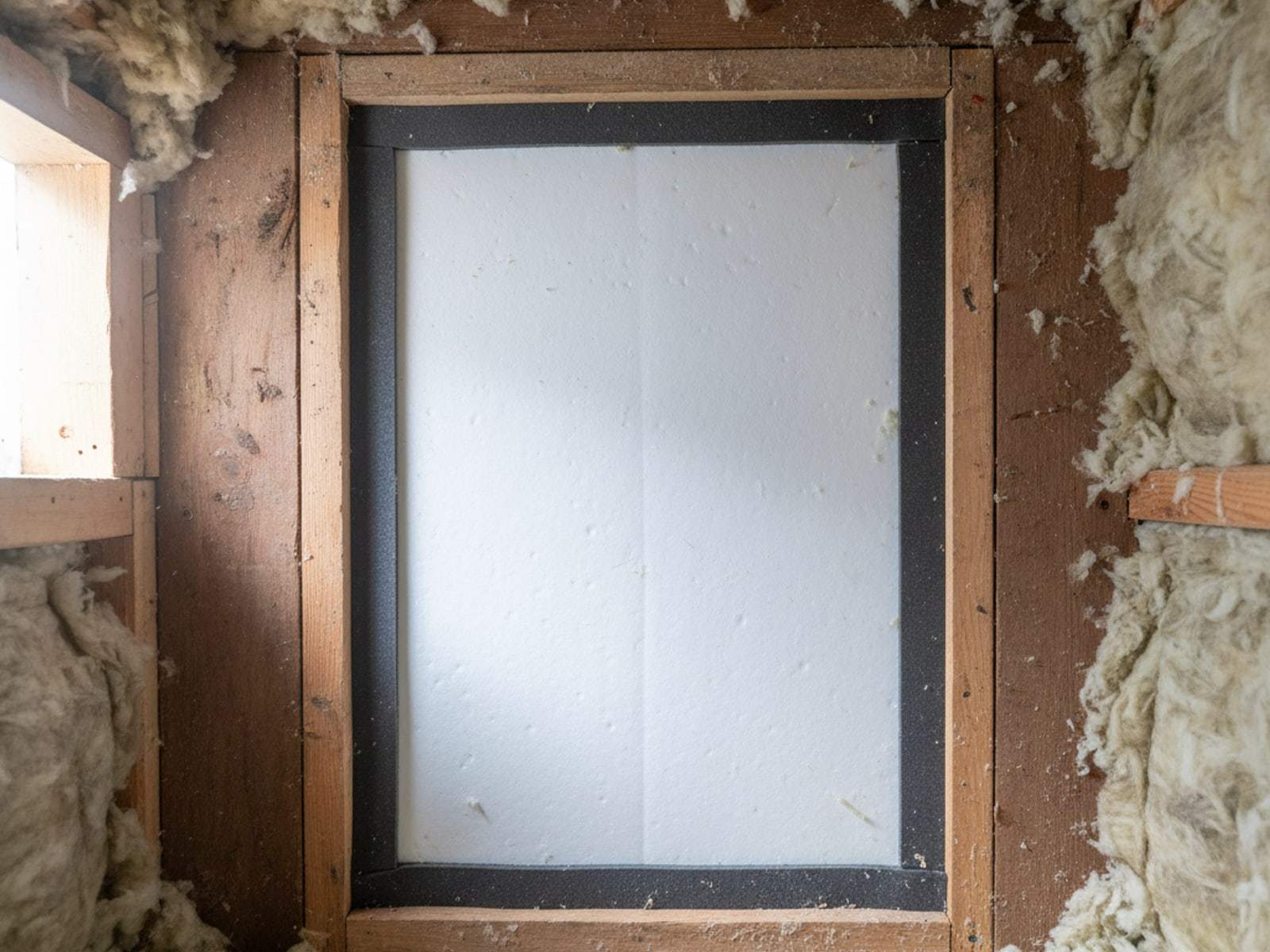
- Attic access hatches.
- Plumbing penetrations.
- Electrical wiring.
- Recessed lights.
- Chimney chases.
- Duct boots.
- Dropped soffits.
- Interior partitions.
- Top plates.
- HVAC openings.
Attic ventilation
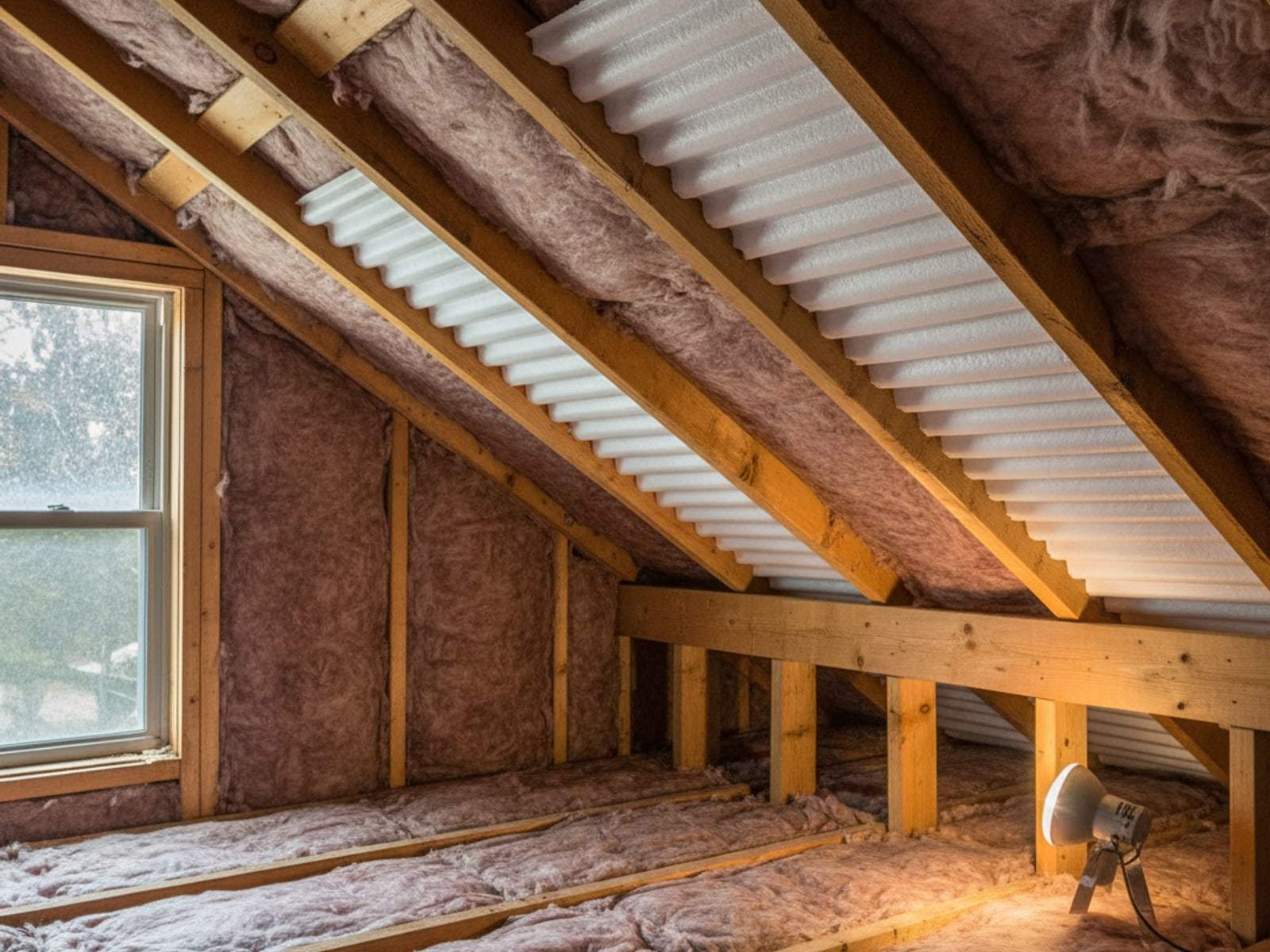
Ventilation may include soffit, ridge, rafter, gable, or roof vents. Baffles can maintain a clear airflow path from soffit intakes into the attic.
Bathroom and kitchen exhaust ducts should discharge outdoors through appropriate ductwork rather than releasing moist air into the attic.
Air Sealing and Webster Ice Dams
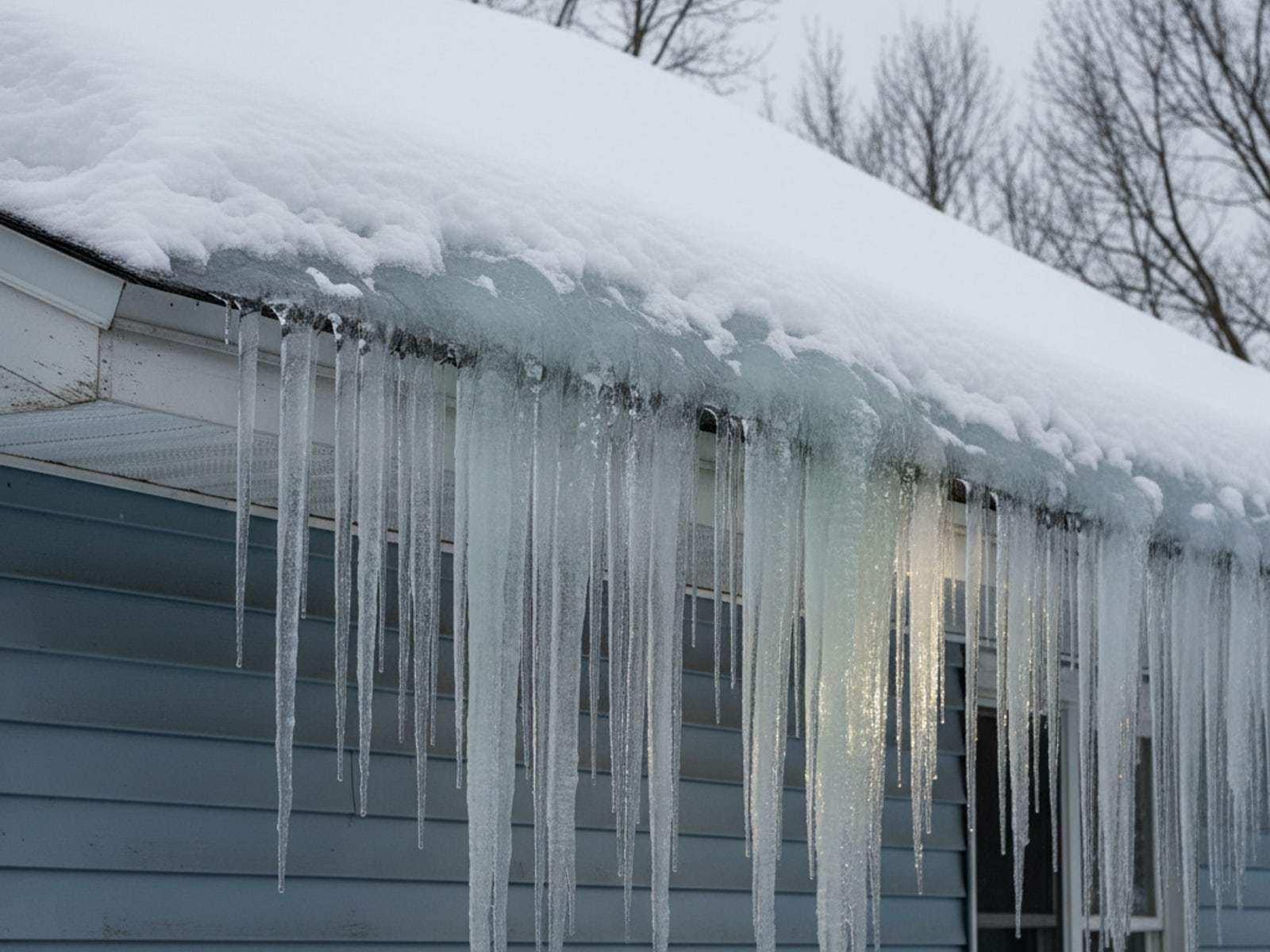
Ice dams develop when heat escaping through the attic warms part of the roof, melts snow, and allows water to refreeze at colder eaves. Webster’s winter snow and freeze-thaw conditions can make this problem more noticeable.
A complete prevention plan may include:
- Air sealing.
- More insulation.
- Clear soffit-to-ridge airflow.
- Roof and flashing repairs.
- Indoor humidity control.
- Proper exhaust ventilation.
- Gutter and drainage review.
- Ice-and-water protection by a roofing professional.
Insulation is only one part of the solution. If roof leaks or ventilation defects remain, the problem may continue.
R-Value Recommendations
R-value measures insulation’s resistance to heat flow. ENERGY STAR commonly recommends upgrading cold-climate attic insulation toward approximately R-60, depending on existing conditions and project design.
A contractor should explain:
- Existing insulation depth.
- Approximate current R-value.
- Recommended target.
- Material.
- Final depth.
- Expected settling.
- Air-sealing work.
- Ventilation requirements.
- Clearance around fixtures and chimneys.
Gaps and moisture can reduce the performance of insulation even when the installed depth appears adequate.
Webster Attic Insulation Process
-
Inspection
The attic is reviewed for insulation, moisture, roof leaks, mold, pests, ventilation, electrical conditions, ducts, and access.
-
Moisture correction
Roof leaks, condensation, and exhaust problems are corrected before installation.
-
Air sealing
Ceiling bypasses and penetrations are sealed.
-
Ventilation preparation
Baffles are installed or repaired to protect soffit airflow.
-
Removal if required
Damaged or contaminated insulation is removed safely.
-
Installation
The selected insulation is distributed evenly to the planned depth.
-
Final review
The work is checked for gaps, exposed areas, blocked vents, and incomplete coverage.
Webster Attic Insulation Cost
| Service | Typical planning range |
|---|---|
| Attic inspection | $150 to $400 |
| Air sealing | $350 to $1,500 |
| Blown-in insulation | $1,500 to $4,000 |
| Fiberglass batts | $1,000 to $3,500 |
| Spray foam | $2,500 to $7,000+ |
| Insulation removal | $1,000 to $3,000 |
| Ventilation work | $400 to $2,000+ |
| Full attic upgrade | $2,500 to $8,000+ |
Local pricing depends on attic size, access, existing insulation, material, moisture, ventilation, and target R-value.
Safety Considerations
Attics may contain exposed nails, unstable walking areas, electrical hazards, pests, mold, or older insulation. ENERGY STAR identifies wet insulation, moldy framing, inadequate ventilation, and possible vermiculite as conditions requiring caution.
Do not disturb vermiculite until it has been evaluated for asbestos risk. Moldy or wet insulation should be assessed before being covered.
Why Choose Attic Mold Removal Rochester Pros?
Attic Mold Removal Rochester Pros treats insulation as part of a larger moisture and building-envelope system. The process focuses on:
- Inspecting before installation.
- Air sealing first.
- Preserving ventilation.
- Identifying wet or moldy insulation.
- Coordinating roof repairs.
- Explaining material and R-value.
- Providing a clear scope.
Frequently Asked Questions
Is Webster attic insulation useful for ice-dam prevention?
It can reduce heat loss that contributes to uneven roof temperatures, especially when combined with air sealing and ventilation. It cannot correct every roofing or drainage issue.
Can new insulation go over old insulation?
Yes, when the existing material is dry, clean, and in good condition. Wet, moldy, pest-damaged, or severely compressed insulation should be assessed first.
Are lake-effect conditions important?
Snow, wind, freeze-thaw cycles, and roof exposure can affect ice dams and moisture. Proper insulation and ventilation should be coordinated with roof conditions.
Which is better, cellulose or fiberglass?
Both can work. Cellulose fills irregular spaces well, while fiberglass is lightweight and suitable for many retrofit applications. The attic determines the best option.
How long does the project take?
Many straightforward projects take one or two days. Removal, air sealing, mold, ventilation, and roof repairs can extend the schedule.
Webster, NY
Schedule Webster Attic Insulation
If your Webster home has cold rooms, high heating bills, condensation, or recurring ice dams, contact Attic Mold Removal Rochester Pros for an attic inspection and insulation estimate.