Brighton, NY · Black Mold Removal
Black Mold Removal Brighton NY
Dark mold on a basement wall, ceiling, attic rafter, or bathroom surface can be alarming. The term “black mold” is widely used by homeowners, but color alone does not identify the species or determine how dangerous the growth is. What matters first is the extent of contamination, the material affected, the source of moisture, and whether spores could spread through the home.
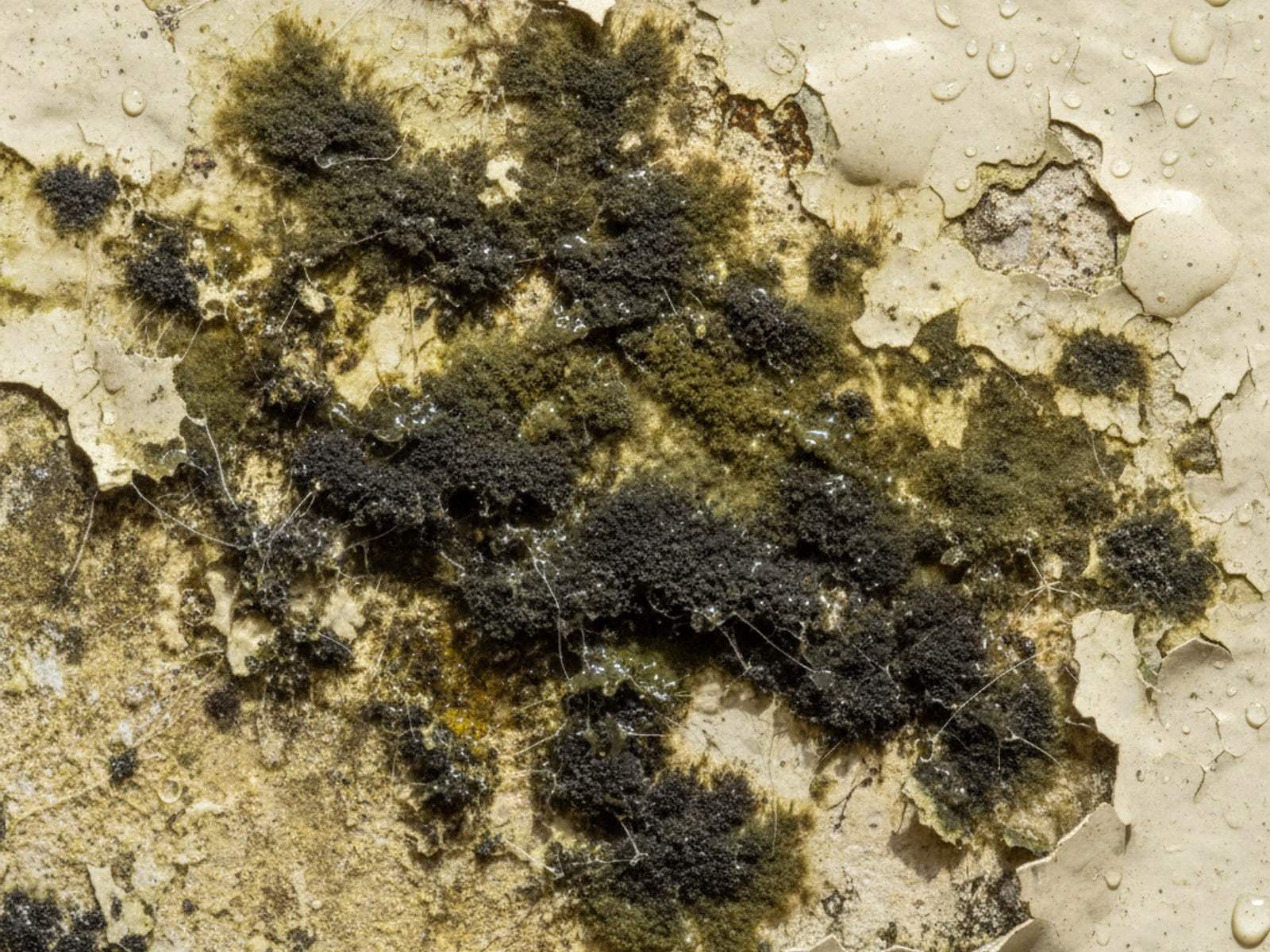
- Black mold testing
- Containment
- Plaster & drywall
- Moisture correction
Attic Mold Removal Rochester Pros provides black mold inspections, mold testing, mold removal, and professional remediation in Brighton, NY.
If you see dark growth, smell a persistent musty odor, or discover mold after a leak, call to schedule an inspection or request a written assessment. Avoid scraping or vacuuming a large area before the work zone is evaluated.
Why Brighton homes may need specialized mold work
Brighton includes a mixture of older homes, Cape Cods, Tudors, mid-century properties, renovated houses, apartments, and newer construction. Older homes may contain plaster, lath, wood trim, masonry foundations, and multiple layers of previous repairs.
These materials can hide moisture behind walls or ceilings. A slow roof leak, plumbing failure, or condensation problem may leave a cavity damp long enough for mold to develop out of sight.
Brighton homes can also be affected by:
- Winter snow and ice dams.
- Spring runoff.
- Basement seepage.
- High summer humidity.
- Foundation cracks.
- Poor attic ventilation.
- Condensation on cold walls.
- Bathroom exhaust problems.
- Aging roof flashing.
Not every property has the same risk. A professional assessment should identify the actual conditions rather than rely on assumptions based only on neighborhood or home age.
What homeowners call black mold
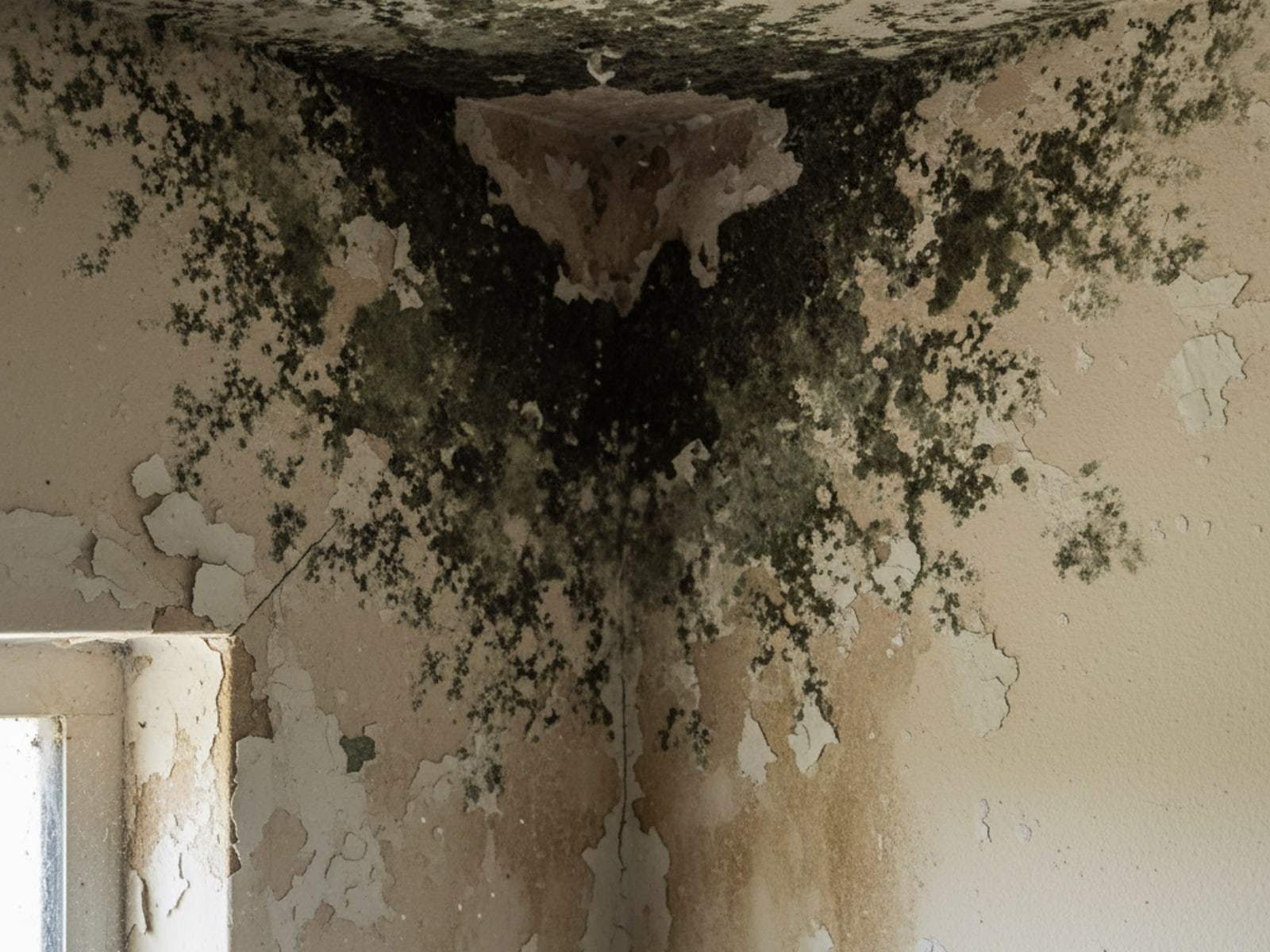
Many dark molds are informally called black mold. Several species can appear black, dark green, brown, or gray. Stachybotrys is one type often discussed in connection with “black mold,” but only laboratory analysis can identify a species, and visual color is not enough.
Testing may be useful when:
- The material is visibly contaminated but the type is uncertain.
- A buyer, seller, or insurer needs documentation.
- A musty odor has no visible source.
- A health professional recommends environmental investigation.
- Mold is suspected in HVAC systems.
- Post-remediation clearance is requested.
Testing should not delay correction of an obvious moisture problem.
Signs of a black mold problem
Look for:
- Dark patches that expand.
- Musty or earthy odors.
- Water stains.
- Peeling paint.
- Soft drywall.
- Swollen trim.
- Damp insulation.
- Condensation.
- Mold around windows.
- Recurring bathroom growth.
- Basement humidity.
- Discoloration after flooding.
- Mold behind furniture on exterior walls.
Some people may experience nasal congestion, coughing, wheezing, eye irritation, skin irritation, or worsening asthma in damp or moldy environments. The CDC notes that people with asthma or mold allergies may have more severe reactions, while individuals with chronic lung disease or weakened immune systems may have additional risks.
Mold does not diagnose an illness, and symptoms can result from many causes. Consult a healthcare professional for medical concerns.
Black mold inspection and testing
A professional inspection may evaluate:
- Visible growth.
- Moisture readings.
- Wall and ceiling cavities.
- Basement and crawlspace conditions.
- Attic insulation and roof sheathing.
- Plumbing and HVAC areas.
- Ventilation.
- Foundation and drainage.
- The spread of odors.
Potential testing methods include:
- Air samples.
- Surface samples.
- Bulk samples.
- Moisture mapping.
- Infrared imaging.
New York State explains that homeowners can often recognize mold through sight or smell, and that testing is not required in every situation. A licensed mold assessor may still be appropriate when the problem is extensive, hidden, disputed, or part of a larger remediation project.
Professional black mold remediation process
-
Assessment
The affected rooms and adjacent areas are inspected. Photos, moisture readings, and observations document the condition.
-
Remediation plan
For covered larger projects, an independent licensed assessor should define the work. The plan may identify containment, removal, cleaning, drying, and verification.
-
Containment and negative air
Plastic barriers isolate the affected area. Negative air and HEPA air scrubbers help control airborne particles and reduce migration into clean spaces.
-
HVAC protection
HVAC systems may be turned off, isolated, or protected during active removal. This helps reduce the movement of dust and spores through the duct system.
-
Removal of porous materials
Extensively contaminated drywall, plaster backing, insulation, carpet, padding, ceiling tiles, and other porous materials may require removal. The EPA notes that mold can penetrate porous materials and that wet, moldy materials may need to be discarded.
-
Cleaning and HEPA vacuuming
Remaining hard surfaces may be cleaned according to the material and condition. HEPA vacuuming helps collect settled particles after removal and drying.
-
Moisture correction
The roof, plumbing, foundation, drainage, humidity, or ventilation problem must be addressed. Mold removal without moisture correction is incomplete.
-
Drying and reconstruction
The area is dried before new drywall, insulation, flooring, or trim is installed.
-
Final assessment
A final visual inspection and moisture review may be followed by clearance testing when requested or required by the project.
Basement, attic, and crawlspace black mold
Brighton homes may develop mold in areas that receive little daily attention.
Basements
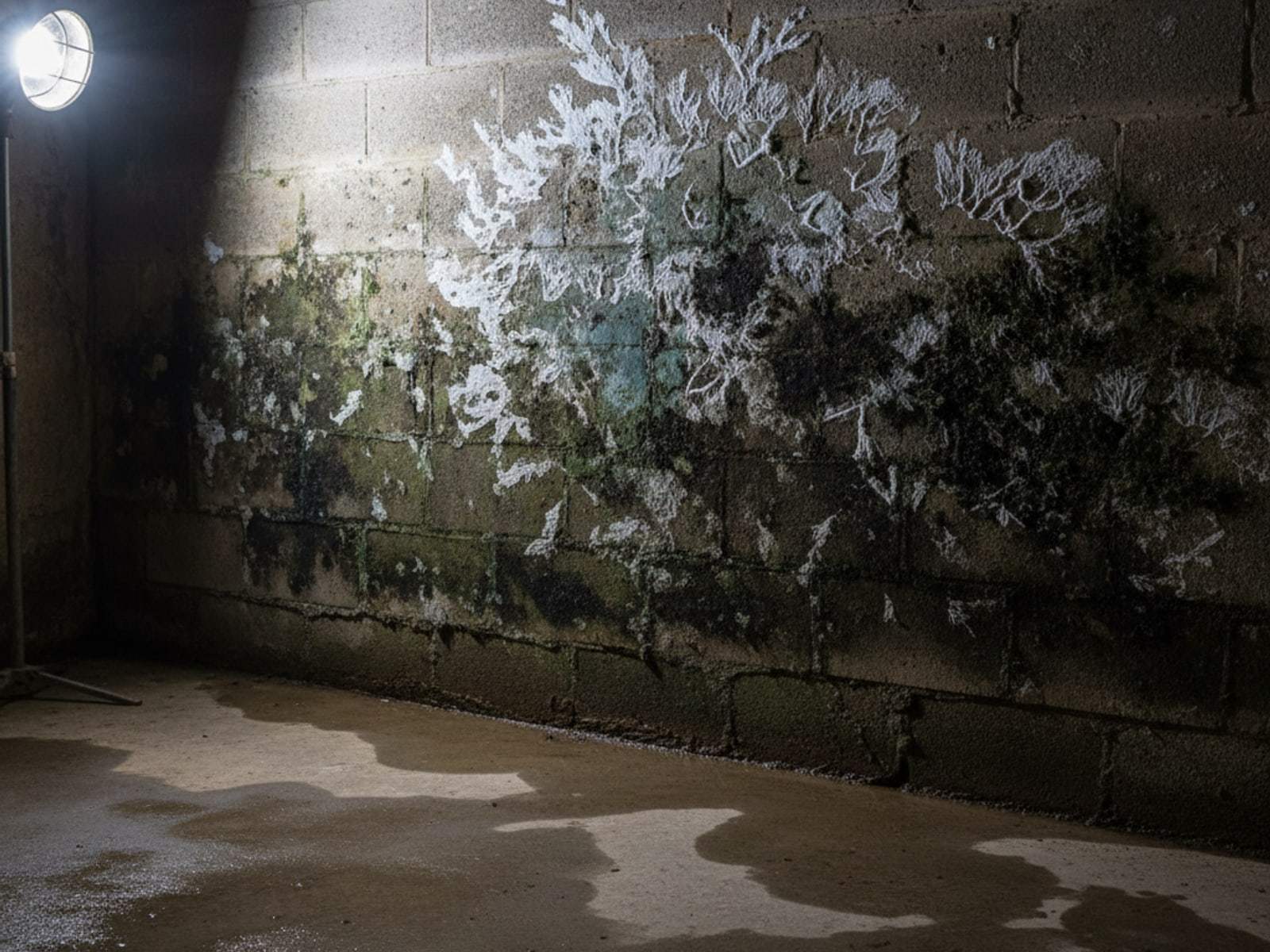
Basements can be affected by foundation seepage, poor drainage, condensation, sump-pump failure, and humid air. Remediation may involve drywall removal, masonry cleaning, dehumidification, waterproofing coordination, and replacement materials.
Attics
Attic mold is often connected to roof leaks, ice dams, bathroom exhaust, air leakage, and blocked soffits. Contaminated insulation may need removal before the attic can be cleaned and reinsulated.
Crawlspaces
Crawlspaces may have damp soil, missing vapor barriers, standing water, poor airflow, and wet insulation. Moisture control is essential before cleaning or encapsulation.
Brighton black mold removal costs
| Service | Typical planning range |
|---|---|
| Mold inspection | $350 to $700 |
| Mold testing | $300 to $1,200 |
| Small contained project | $950 to $2,200 |
| Single-room remediation | $1,800 to $6,500 |
| Crawlspace remediation | $1,400 to $4,200 |
| Attic mold removal | $1,500 to $6,000+ |
| Air quality or duct cleaning | $1,200 to $3,800 |
| Clearance testing | $400 to $900 |
Ranges for inspection, small containment, whole-room remediation, crawlspaces, and air-quality work vary widely according to access, materials, and the extent of contamination.
New York requirements
New York’s Mold Program regulates covered mold assessment and remediation work. The Department of Labor requires appropriate licenses and sets minimum work standards, including independent assessment, PPE, posted project information, and post-remediation assessment.
Homeowners should verify license information through New York’s official contractor search and ask whether the assessor and remediator are independent when required.
Why choose Attic Mold Removal Rochester Pros?
Attic Mold Removal Rochester Pros focuses on careful assessment, containment, moisture correction, and material-specific cleaning. The service approach is designed to help Brighton homeowners understand:
- What is visible.
- What may be hidden.
- Which materials can be cleaned.
- Which materials require removal.
- What caused the moisture.
- What documentation is available.
- What should happen before reconstruction.
Frequently asked questions
Is black mold more dangerous than other mold?
The color of mold does not establish its toxicity or health risk. Any extensive mold growth or water damage should be assessed, especially where vulnerable occupants are present.
Should I test for Stachybotrys?
Testing may be useful for specific documentation or investigation, but identifying the species does not replace moisture correction and safe cleanup. A licensed assessor can explain whether sampling is appropriate.
Can black mold be painted over?
No. Painting over mold does not remove the contamination or solve the moisture source. Porous materials with extensive growth may need removal.
Can I clean black mold with bleach?
Bleach is not a universal solution, especially for porous materials. Use cleaning products only as directed, never mix chemicals, and seek professional help for extensive growth.
How long does remediation take?
Small contained projects may take one to three days. Larger work involving plaster, drywall, insulation, containment, drying, and reconstruction may take longer.
Brighton, NY
Arrange a Brighton mold assessment
If you have found dark mold or persistent moisture in your Brighton property, contact Attic Mold Removal Rochester Pros for a professional inspection, testing discussion, or written remediation estimate.