Rochester, NY · Attic Insulation
Attic Insulation Rochester NY: Professional Insulation, Air Sealing, and Ventilation
If your Rochester home has uneven temperatures, high heating bills, cold ceilings, ice dams, or rooms that never seem comfortable, the problem may be in the attic. In many homes, attic insulation is old, compressed, incomplete, or installed without proper air sealing and ventilation.
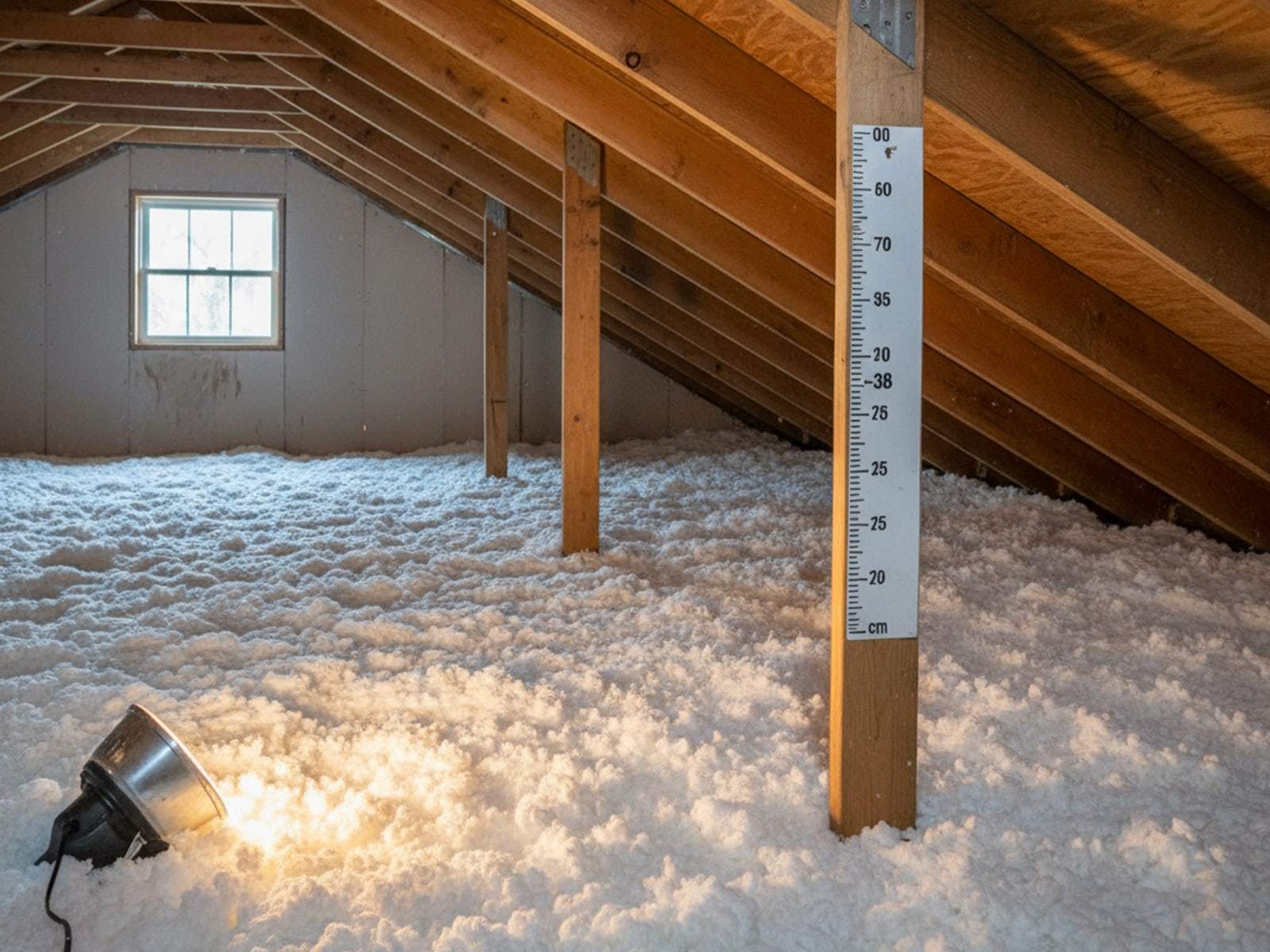
- Air sealing first
- Blown-in & batts
- Insulation removal
- Soffit baffles & vents
Improve Comfort with Rochester Attic Insulation
Professional attic insulation in Rochester, NY can help reduce heat loss during winter, limit heat gain in summer, improve indoor comfort, and support better overall energy efficiency. The most effective solution is not simply adding more insulation. A complete attic upgrade may also require air sealing, moisture control, ventilation improvements, insulation removal, and correction of roof or ductwork problems.
Attic insulation contractors in Rochester should assess the entire attic assembly before recommending materials. This includes the insulation depth, attic floor, roof deck, soffit vents, ridge vents, recessed lights, plumbing penetrations, ductwork, attic hatch, bathroom exhaust fans, and visible signs of moisture.
If your insulation is wet, moldy, badly compressed, or contaminated, adding another layer over the problem may make conditions worse. A professional inspection can determine whether your attic needs a top-up, full replacement, air sealing, ventilation work, or a combination of services.
Attic Insulation Cost in Rochester NY
The cost of attic insulation depends on the attic’s square footage, insulation material, existing insulation, accessibility, air leakage, ventilation, removal requirements, and target R-value.
| Attic insulation service | Average Rochester cost |
|---|---|
| Basic blown-in insulation top-up | $1,000 to $3,500 |
| Fiberglass batt insulation | $1,000 to $3,500 |
| Blown-in cellulose | $1,500 to $3,500 |
| Blown-in fiberglass | $1,500 to $4,000 |
| Spray foam insulation | $2,500 to $6,000+ |
| Attic air sealing | $350 to $1,500 |
| Insulation removal | $1,000 to $3,000 |
| Attic ventilation improvements | $400 to $2,000+ |
| Insulation and air sealing package | $2,000 to $5,500 |
| Full attic upgrade with removal and repairs | $4,000 to $10,000+ |
These figures are general planning ranges rather than fixed quotes. The lowest estimate may not include air sealing, insulation removal, ventilation baffles, attic hatch improvements, or moisture repairs.
Why Attic Insulation Matters in Rochester
Rochester has cold winters, significant snowfall, freeze-thaw cycles, humid summers, and seasonal temperature changes. These conditions place additional demands on attic insulation and ventilation.
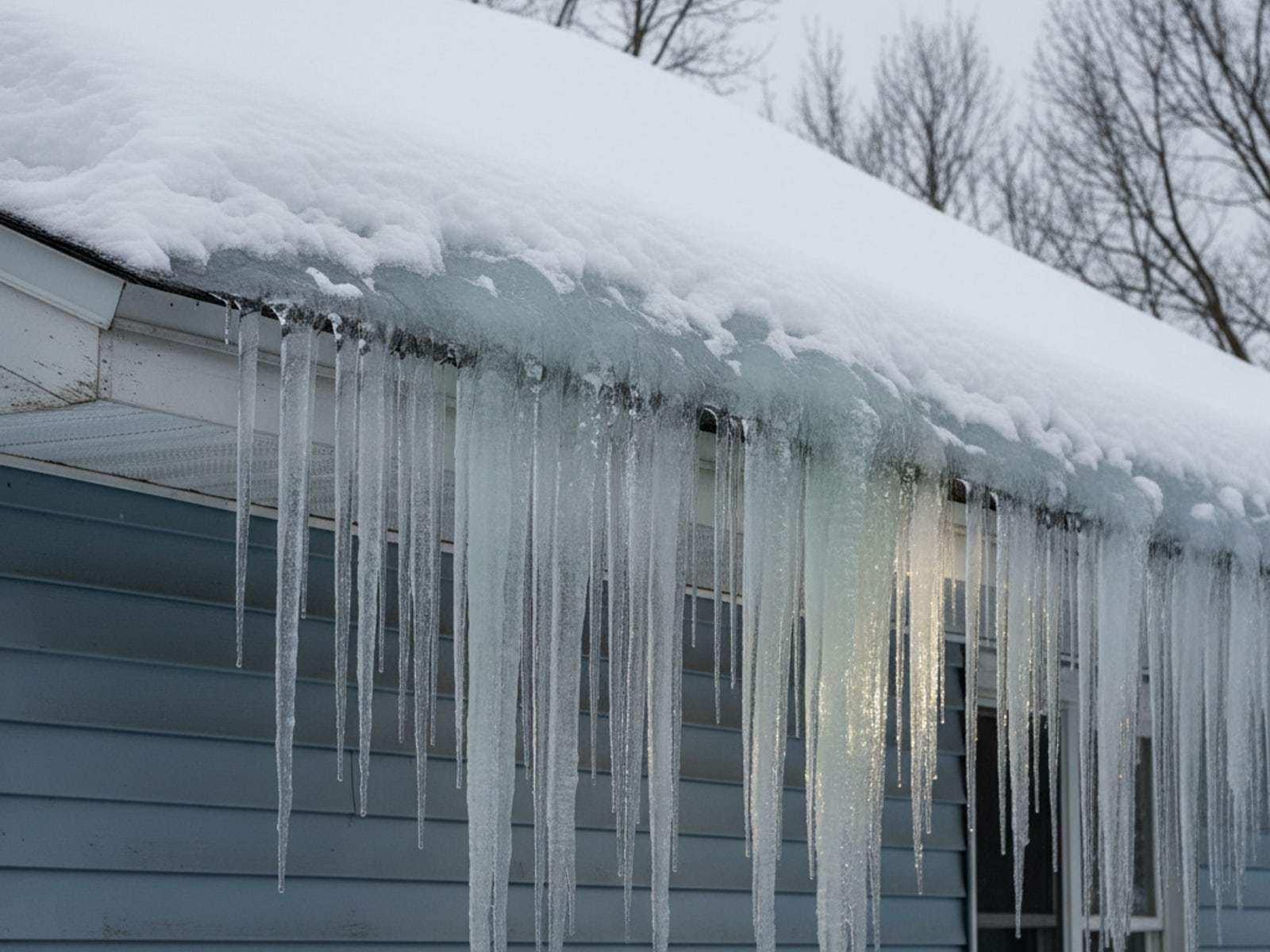
During winter, heated indoor air naturally rises. If air leaks through ceiling penetrations and enters the attic, it can warm the underside of the roof while carrying moisture with it. When warm air contacts cold roof sheathing, condensation can form. This may contribute to damp insulation, wood deterioration, mold growth, and ice dams.
Proper insulation and air sealing help keep the attic colder in winter by limiting heat and moisture transfer from the living space. Adequate ventilation allows outdoor air to move through the attic, helping reduce condensation and remove excess moisture.
ENERGY STAR explains that air sealing should be completed before adding attic insulation because sealing first helps prevent warm air from bypassing the insulation and improves the performance of the entire upgrade.
Recommended Attic R-Values
R-value measures an insulation material’s resistance to heat flow. In general, a higher R-value provides greater thermal resistance, but the installation must also be complete, evenly distributed, dry, and free from compression.
ENERGY STAR recommends adding insulation to approximately R-60 in many cold-climate attic applications. If an attic already has approximately 3 to 4 inches of insulation, adding enough to reach around R-49 may be a practical improvement target.
Rochester homeowners should not judge insulation performance only by inches. Different materials provide different R-values per inch, and gaps, compressed sections, air leaks, blocked vents, and moisture can reduce the effective performance.
A contractor should measure the existing insulation depth and explain:
- Current approximate R-value.
- Recommended target R-value.
- Material being installed.
- Expected final depth.
- Whether the insulation will settle.
- Areas that need air sealing.
- Whether soffit ventilation will remain open.
- Whether baffles are required.
- How recessed lights and electrical fixtures will be treated.
Attic Insulation Services
Blown-in cellulose insulation
Blown-in cellulose is made primarily from processed paper fibers treated for fire resistance. It is commonly used for attic floors because it can fill irregular spaces and cover gaps around framing.
Cellulose may be suitable for topping up existing insulation when the attic is dry, clean, and properly prepared. It should not be used to cover active leaks, mold, or wet materials.
Blown-in fiberglass insulation
Blown-in fiberglass is lightweight and can provide consistent coverage when installed at the correct depth. It is often used in attic floors and can be suitable for retrofit projects.
The final performance depends on even distribution, appropriate depth, and proper air sealing beneath the material.
Fiberglass batt insulation
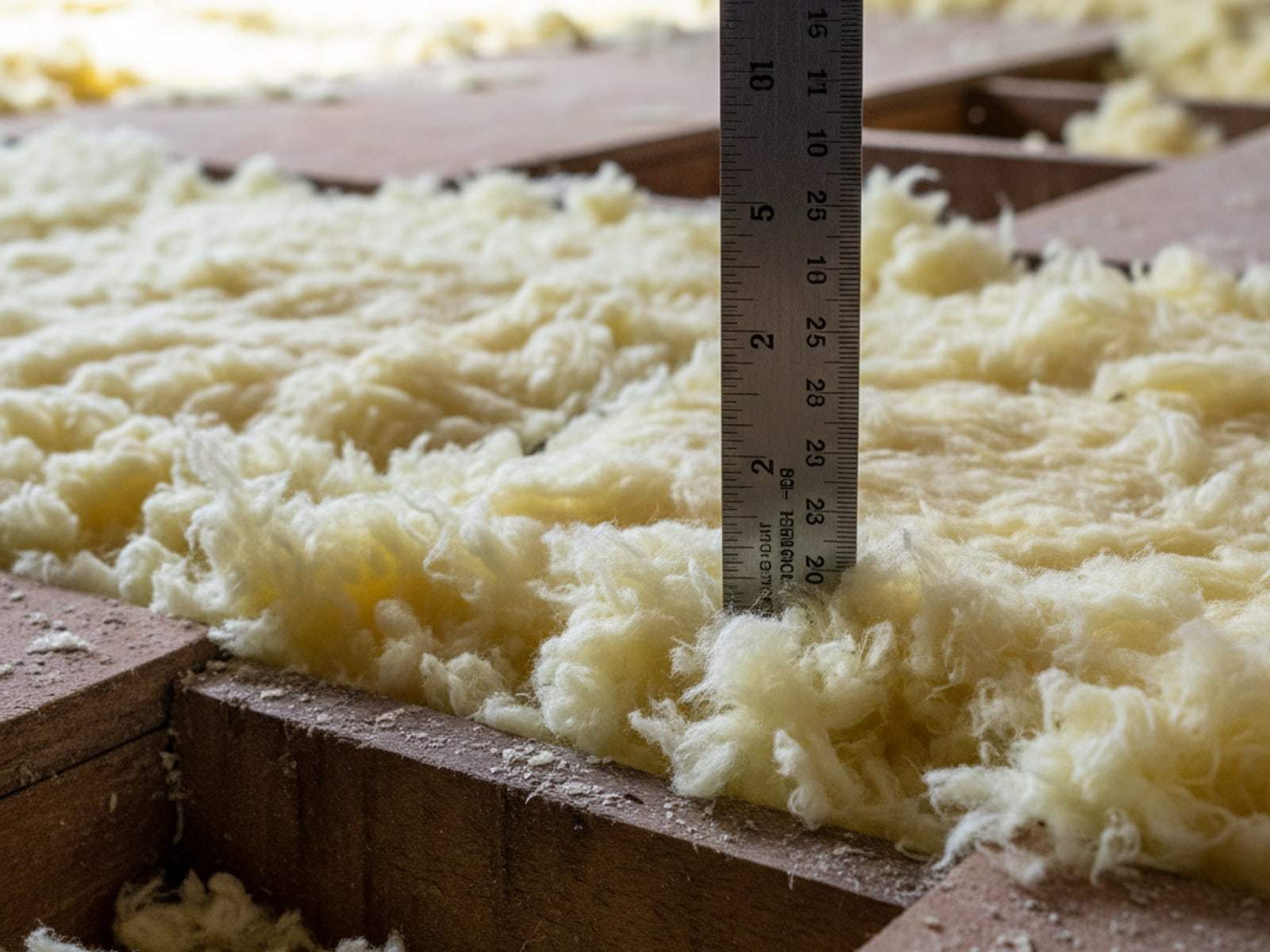
Fiberglass batts are pre-cut or rolled sections that may be used in accessible attic floors, knee walls, and other areas. Batts can be effective when installed without gaps or compression.
They are less adaptable than loose-fill materials in irregular areas and may require careful cutting around framing, wiring, ducts, and penetrations.
Spray foam insulation
Spray foam can provide insulation and air sealing in one system. It may be used around difficult penetrations, rim areas, knee walls, or roof assemblies depending on the design and project requirements.
Spray foam is not the right choice for every attic. It costs more than many loose-fill options and should be installed by trained professionals who understand ventilation, moisture control, combustion safety, and building-envelope details.
Attic insulation removal
Old insulation may need to be removed when it is:
- Wet.
- Mold-contaminated.
- Damaged by pests.
- Heavily soiled.
- Compressed.
- Saturated by a roof leak.
- Mixed with debris.
- Preventing inspection of the attic floor.
- Causing persistent odors.
Removal should be completed with appropriate containment and protective procedures. Contaminated material should be bagged and disposed of securely.
Attic insulation replacement
After old insulation is removed, the attic should be inspected for roof leaks, mold, damaged wood, wiring concerns, ductwork issues, and air leakage. New insulation should not be installed until the attic is dry and the moisture source has been corrected.
Attic air sealing
Air sealing is one of the most important parts of an attic insulation project. Common leakage points include:
- Attic access hatches.
- Plumbing stacks.
- Electrical penetrations.
- Recessed lights.
- Chimney chases.
- Duct penetrations.
- Top plates.
- Dropped soffits.
- Interior wall cavities.
- HVAC openings.
- Wiring holes.
- Bathroom fan housings.
ENERGY STAR identifies dirty or discolored insulation as a possible sign of air movement through the material. Contractors may use caulk, fire-rated sealants, rigid blocking, or expanding foam where appropriate.
Attic hatch insulation
The attic hatch is often overlooked. An uninsulated or poorly sealed hatch can allow heated air to escape and moisture to enter the attic.
Improving the hatch may include:
- Weatherstripping.
- Rigid insulation.
- Reflective or insulated covers.
- Latches that provide a tight seal.
- Sealing gaps around the frame.
Attic ventilation
Attic ventilation should be designed to support airflow without allowing insulation to block intake vents. Common ventilation components include:
- Soffit vents.
- Rafter vents.
- Ridge vents.
- Gable vents.
- Box vents.
- Turbine vents.
ENERGY STAR warns that soffit vents should not be covered by insulation. Rafter vents or baffles can help maintain an open channel from the soffits into the attic.
Ventilation improvements may also include correcting bathroom or kitchen exhaust ducts that terminate inside the attic. Moist air should be vented to the exterior through properly installed ductwork.
Insulation and Attic Mold Prevention
Attic insulation and mold prevention are closely connected. Insulation does not solve a moisture problem by itself. If a roof leak, condensation issue, or ventilation failure remains, mold can continue growing beneath or around the new insulation.
Signs that an attic should be assessed for moisture before insulation work include:
- Dark staining on roof sheathing.
- Musty odors.
- Damp or clumped insulation.
- Water marks.
- Frost on nails.
- Peeling paint below the attic.
- Condensation.
- Ice dams.
- Visible mold.
- Soft or deteriorating wood.
The correct sequence is generally:
- Identify the moisture source.
- Repair the roof, duct, plumbing, or ventilation problem.
- Remove damaged or contaminated materials.
- Dry the affected area.
- Air-seal the attic floor.
- Install or replace insulation.
- Confirm that ventilation pathways remain open.
For attic mold removal or mold assessment, use a qualified provider familiar with Rochester homes and New York requirements. Attic Mold Removal Rochester Pros provides related attic mold remediation, insulation removal, moisture investigation, HEPA cleaning, and post-remediation documentation.
The Rochester Attic Insulation Process
-
Inspection and measurements
The project begins with an attic inspection. The contractor measures the space, checks insulation depth, identifies gaps, examines ventilation, and looks for moisture or damage.
-
Energy and moisture assessment
The inspection should identify air leakage, condensation risks, roof leaks, ductwork problems, and areas where insulation is missing or compressed.
-
Scope and material recommendation
You should receive an explanation of the recommended material, target R-value, expected depth, ventilation plan, air-sealing work, and any removal or repair requirements.
-
Protection and preparation
Work areas, attic access points, and living spaces are protected. If old insulation is removed, the crew should use appropriate containment, protective equipment, and secure disposal methods.
-
Air sealing
Penetrations and bypasses are sealed before insulation is installed. This helps keep conditioned air inside the living space and reduces the movement of warm, moist air into the attic.
-
Ventilation preparation
Baffles are installed where needed to preserve airflow at the soffits. Existing vents are checked to ensure they are not blocked, damaged, or improperly configured.
-
Insulation installation
The chosen insulation is installed evenly to the planned depth. Loose-fill material should be distributed consistently, while batts should fit tightly without gaps or compression.
-
Quality inspection
The completed attic should be checked for uniform coverage, exposed areas, blocked vents, missing air seals, and areas around access points and penetrations.
-
Documentation
A professional contractor should provide details about the material, approximate installed depth, R-value, air-sealing work, ventilation changes, and any warranty or rebate documentation.
Signs Your Attic Needs New Insulation
You may benefit from an attic insulation assessment if:
- Heating bills have increased.
- Upstairs rooms are cold in winter.
- The top floor overheats in summer.
- Snow melts unevenly on the roof.
- Ice dams form along the eaves.
- The attic has less than 10 to 14 inches of insulation.
- Insulation is visibly compressed.
- You can see the attic floor in multiple areas.
- The attic hatch is uninsulated.
- Drafts occur around ceiling fixtures.
- The roof has condensation or frost.
- You notice musty odors.
- There are water stains.
- The home has never received an energy upgrade.
A professional inspection is especially valuable before buying or selling a Rochester home. An attic assessment can identify deficiencies that may affect comfort, energy costs, moisture control, and future maintenance.
Rebates and Energy Programs
Some Rochester homeowners may qualify for incentives, rebates, or financing related to insulation and air sealing. Eligibility depends on the utility provider, heating fuel, household income, property type, and project scope.
NYSEG describes insulation and air-sealing incentives that may provide up to $2,000 for eligible customers and properties. Income-eligible New York households may also qualify for EmPower+ assistance, while other programs may provide incentives for approved energy-efficiency packages.
Program rules can change, and not every contractor or project qualifies automatically. Confirm current eligibility, approved materials, contractor requirements, and documentation before beginning work.
Choosing an Attic Insulation Contractor
Ask each Rochester insulation company:
- Are you insured?
- Do you provide a written estimate?
- What R-value do you recommend?
- Will you air-seal before insulating?
- How will you protect soffit vents?
- Do you remove old insulation?
- How do you handle mold or pest contamination?
- What material will you install?
- What depth will be installed?
- Are bathroom exhaust fans vented outside?
- How will recessed lights and chimneys be treated?
- Do you coordinate roof or ventilation repairs?
- Is cleanup included?
- Is there a workmanship warranty?
- Can you help with rebate documentation?
Be cautious of proposals that focus only on adding material without examining air leakage, moisture, ventilation, and existing insulation.
Frequently Asked Questions
How much does attic insulation cost in Rochester, NY?
Most professional attic insulation projects cost approximately $1,500 to $4,500. Air sealing, insulation removal, ventilation improvements, spray foam, mold remediation, and difficult access can increase the price.
What is the best insulation for a Rochester attic?
Blown-in cellulose, blown-in fiberglass, fiberglass batts, and spray foam can all be appropriate in different situations. The best choice depends on the attic design, moisture conditions, access, target R-value, budget, and air-sealing requirements.
What R-value is recommended for Rochester attics?
ENERGY STAR commonly recommends upgrading cold-climate attics toward approximately R-60. If some insulation is already present, a target around R-49 may be a cost-effective improvement, but the contractor should assess the existing depth and condition first.
Should air sealing be done before insulation?
Yes. Air sealing before insulation helps reduce the movement of heated, moist air into the attic and allows the insulation to perform more effectively.
Can insulation stop ice dams?
Proper air sealing, insulation, and ventilation can reduce conditions that contribute to ice dams, but they cannot correct every roofing or drainage problem. Roof design, snow, gutters, flashing, and exterior temperature also matter.
Can you add insulation over old insulation?
Sometimes. Existing insulation can often be topped up if it is dry, clean, uncontaminated, and properly installed. Wet, moldy, pest-damaged, or severely compressed insulation should generally be removed or assessed before adding more.
How long does attic insulation last?
Many insulation materials can remain effective for decades when kept dry and undisturbed. Moisture, pests, compression, air leakage, and roof damage can reduce performance and require earlier replacement.
Do I need attic ventilation with insulation?
Most vented attics need properly designed ventilation. Insulation should not block soffit vents, and bathroom or kitchen exhaust should not discharge into the attic.
Can attic insulation reduce energy bills?
Air sealing and insulation can reduce heat transfer and improve comfort, which may lower energy use. Actual savings depend on the home, heating system, existing insulation, occupant behavior, and quality of installation. ENERGY STAR states that sealing and insulating can provide up to 10% annual energy-bill savings in some homes.
Can you install insulation if there is attic mold?
Mold and moisture should be addressed before new insulation is installed. Adding insulation over contamination may hide the problem and allow it to continue.
Rochester, NY
Schedule a Rochester Attic Insulation Assessment
Attic insulation is one of the most important parts of your home’s thermal envelope, but insulation alone is not the complete solution. The strongest results come from combining the correct R-value with air sealing, open ventilation pathways, moisture control, and professional installation.
If your Rochester home has high energy bills, cold rooms, ice dams, damp insulation, or visible attic damage, schedule an inspection before adding more material.
Contact a qualified Rochester attic insulation professional for a detailed assessment, clear recommendations, and a written estimate for insulation, air sealing, ventilation, or insulation removal.