Fairport, NY · Mold Removal
Mold Removal Fairport NY
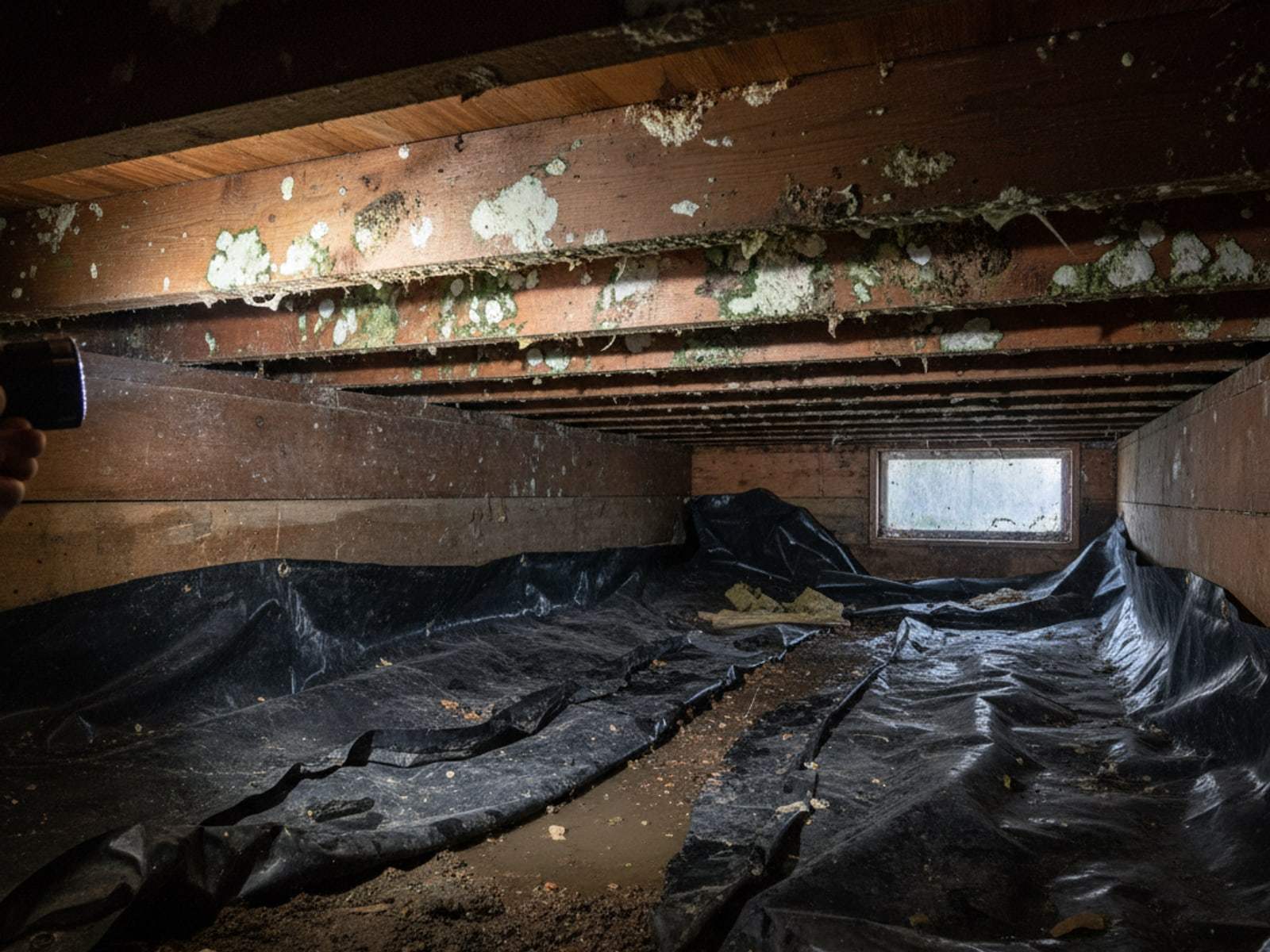
Mold can appear after a basement leak, burst pipe, roof problem, flood, or period of high humidity. A musty smell may also indicate hidden growth behind drywall, beneath flooring, inside insulation, or around plumbing and HVAC components.
- Inspection
- HVAC protection
- Containment
- Moisture correction
Professional Mold Removal in Fairport, NY
Attic Mold Removal Rochester Pros provides professional mold removal, mold remediation, mold inspections, moisture assessments, and related attic, basement, and crawlspace services in Fairport, NY.
If you have found visible mold or continue to notice a musty odor after cleaning, arrange an inspection before disturbing the affected area. The correct solution depends on the size of the problem, the materials involved, and whether moisture is still entering the property.
Mold Removal Versus Mold Remediation
Mold removal describes the cleaning or physical removal of contaminated materials. Mold remediation is broader and may include:
- Identifying the moisture source.
- Inspecting adjacent areas.
- Containing the work zone.
- Removing unsalvageable materials.
- Cleaning suitable surfaces.
- Using HEPA filtration.
- Drying the property.
- Correcting leaks or humidity.
- Replacing insulation or drywall.
- Completing final verification.
A surface treatment is not a complete solution if the material is wet, porous, or contaminated beneath the visible layer.
Mold Problems in Fairport Homes
Fairport includes village homes, older properties, suburban houses, finished basements, crawlspaces, additions, and newer construction. Homes near waterways, low-lying areas, or properties with aging drainage systems may require careful attention to foundation moisture, but only an inspection can determine the actual cause.
Common mold locations include:
- Basement walls.
- Finished basement drywall.
- Crawlspaces.
- Attics.
- Roof sheathing.
- Bathrooms.
- Laundry rooms.
- Around sump pits.
- Window frames.
- Under carpet.
- Behind appliances.
- HVAC areas.
- Inside wall cavities.
Seasonal snow, spring runoff, summer humidity, freeze-thaw cycles, and heavy rain can all expose weaknesses in roofs, foundations, drainage, and ventilation.
Signs You Need Mold Removal
Schedule an inspection if you notice:
- A persistent musty odor.
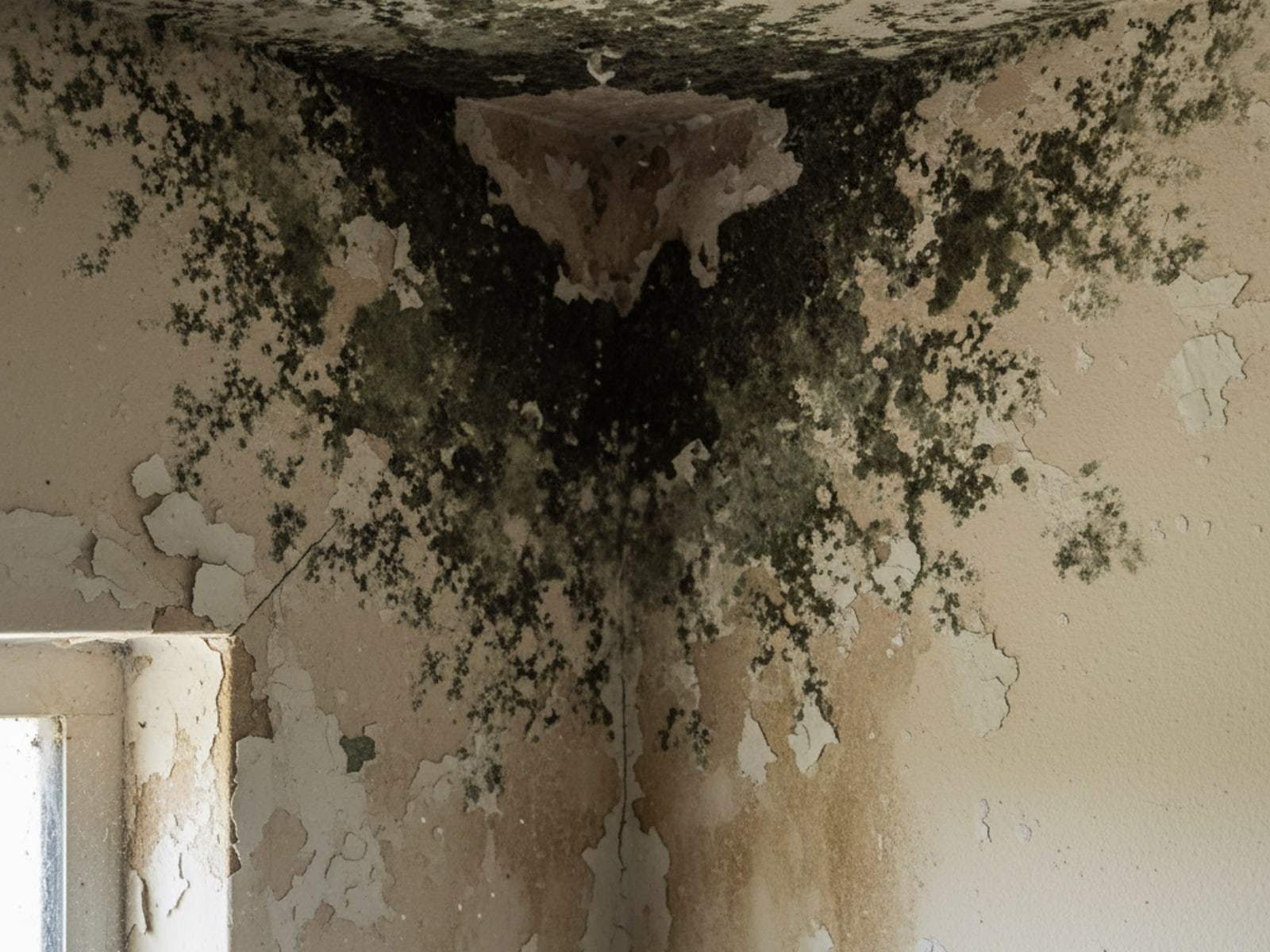
- Dark, green, gray, white, or brown patches.
- Water stains.
- Peeling paint.
- Soft or swollen drywall.
- Damp carpet.
- Wet insulation.
- Condensation.
- Mold returning after cleaning.
- Basement humidity.
- Mold after a plumbing or roof leak.
- Irritation that seems worse indoors.
Mold color does not identify the species or determine health risk. People with asthma, allergies, chronic lung conditions, or weakened immune systems may be more sensitive to damp and moldy conditions.
Keep vulnerable occupants away from heavily contaminated areas and consult a healthcare professional about symptoms.
Common Causes of Mold Growth
Mold requires moisture and an appropriate material. Common causes in Fairport properties include:
- Foundation seepage.
- Poor grading.
- Blocked gutters.
- Short downspouts.
- Roof leaks.
- Ice dams.
- Plumbing failures.
- Appliance leaks.
- Condensation.
- High indoor humidity.
- Bathroom exhaust problems.
- Damp crawlspaces.
- Failed sump pumps.
- Flooding.
- Wet insulation.
New York State advises homeowners to identify and correct the source of water or dampness and discard porous materials with extensive mold growth.
Inspection and Mold Testing
A mold inspection evaluates the property for visible growth, moisture, odors, damaged materials, and likely sources. Testing involves collecting samples for laboratory analysis.
Inspection methods may include:
- Visual examination.
- Moisture-meter readings.
- Infrared scanning.
- Attic and insulation review.
- Basement and crawlspace inspection.
- Plumbing and roofing review.
- HVAC-area assessment.
Testing may involve:
- Air sampling.
- Surface sampling.
- Bulk sampling.
Testing may be useful when:
- Mold is suspected but not visible.
- A musty odor has no obvious source.
- A property is being bought or sold.
- Insurance documentation is needed.
- HVAC contamination is suspected.
- Occupants have environmental concerns.
- Clearance testing is requested.
Testing is not always necessary when visible mold and the moisture source are clear. The physical condition of the building remains the priority.
Fairport Mold Removal Process
-
Initial inspection
The affected rooms and nearby areas are inspected and documented. Visible growth, water damage, odors, and moisture are recorded.
-
Moisture investigation
Moisture meters and thermal imaging may identify damp areas behind walls, under floors, or near foundations.
-
Written scope of work
A clear estimate should explain containment, demolition, removal, cleaning, drying, repairs, disposal, and testing.
-
Containment
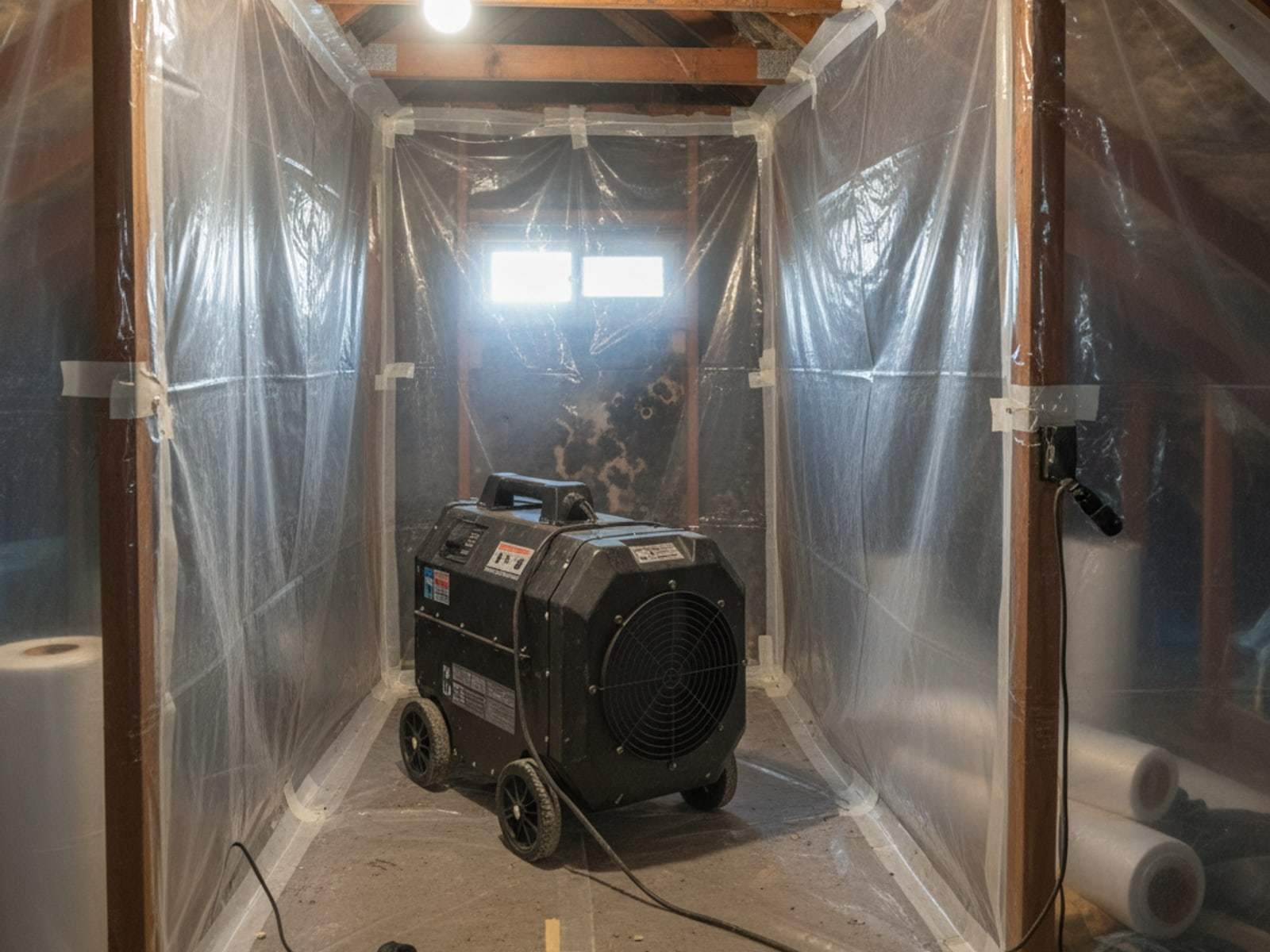
Plastic barriers, sealed openings, negative-air machines, and air scrubbers may help keep particles from moving into clean rooms.
-
HVAC protection
The heating and cooling system may need to be shut down or isolated during active removal to reduce cross-contamination.
-
Removal of damaged materials
Extensively contaminated drywall, insulation, carpet, padding, or ceiling tiles may require disposal. EPA guidance explains that mold can penetrate porous materials and that wet, moldy materials may need to be discarded.
-
Cleaning and HEPA filtration
Sound wood, concrete, masonry, and other suitable surfaces may be cleaned. HEPA vacuuming can help capture settled particles after removal and drying.
-
Drying
The affected area must be dried thoroughly. Dehumidifiers and air movement may assist, but they do not replace roof, plumbing, drainage, or foundation repairs.
-
Moisture-source correction
The underlying problem is addressed. This may require coordination with a roofer, plumber, drainage specialist, waterproofing contractor, HVAC professional, or insulation installer.
-
Final review
The area is inspected for visible mold and remaining moisture. Independent clearance testing may be arranged when appropriate.
Basement and Attic Mold Services
Basement mold removal
Basement remediation may involve removing damaged drywall, cleaning masonry, drying the space, improving drainage, coordinating sump-pump work, and controlling humidity.
Attic mold removal
Attic mold commonly results from roof leaks, ice dams, bathroom exhaust, condensation, and warm-air leakage. Mold-contaminated insulation may need removal before cleaning and replacement.
Crawlspace remediation
Crawlspaces may require moisture mapping, vapor-barrier recommendations, insulation removal, drainage improvements, and dehumidification.
Water-damage cleanup
Fast drying after a leak or flood can reduce the likelihood of mold growth. Water-damaged porous materials may need removal when they cannot be dried or cleaned effectively.
HVAC-area assessment
If mold or heavy contamination is near HVAC equipment, the system should be evaluated before normal operation spreads particles through the home.
New York Mold Regulations
New York’s Department of Labor regulates covered mold assessment and remediation work through Article 32. The Mold Program establishes licensing requirements and minimum work standards.
For larger projects, homeowners should ask:
- Whether a licensed mold assessor is required.
- Who prepares the remediation plan.
- Who performs the cleanup.
- Whether the assessor and remediator are independent.
- How license information can be verified.
Do not rely solely on advertising language such as “certified” or “licensed.” Request verifiable information before hiring.
Fairport Mold Removal Cost
| Service | Typical planning range |
|---|---|
| Mold inspection | $250 to $700 |
| Mold testing | $300 to $1,200 |
| Small surface cleanup | $500 to $1,500 |
| Single-room remediation | $1,200 to $4,500 |
| Basement remediation | $1,800 to $6,500 |
| Attic mold removal | $1,500 to $6,000+ |
| Crawlspace remediation | $1,500 to $4,500 |
| Clearance testing | $400 to $900 |
The final price depends on contamination size, access, containment, demolition, disposal, drying, repairs, testing, and reconstruction.
What to Do Before the Inspection
Before a professional arrives:
- Keep children and pets away from the area.
- Avoid scraping or vacuuming mold.
- Photograph visible growth and water damage.
- Note when the odor or growth first appeared.
- Identify recent leaks, flooding, or condensation.
- Do not move contaminated items through clean rooms.
- Contact your insurance company if the damage followed a potentially covered event.
- Avoid painting over the growth.
- Ask for a written scope of work.
Why Choose Attic Mold Removal Rochester Pros?
Attic Mold Removal Rochester Pros uses a source-first approach to Fairport mold removal. The focus is on:
- Understanding the moisture problem.
- Protecting unaffected rooms.
- Removing contaminated materials carefully.
- Cleaning suitable surfaces.
- Coordinating repairs.
- Documenting testing and clearance when requested.
- Explaining prevention steps.
The goal is not just to make visible staining disappear. The objective is to leave the area clean, dry, and ready for safe reconstruction.
Frequently Asked Questions
Can mold be removed without replacing drywall?
Sometimes. If the growth is limited to the surface and the drywall is structurally sound and dry, cleaning may be possible. Deep or extensive contamination may require removal.
Is mold testing required before removal?
No, not every project requires testing. Testing may be helpful for hidden growth, real-estate documentation, insurance, or clearance verification.
Can a dehumidifier solve basement mold?
A dehumidifier can reduce humidity but cannot repair an active leak or remove contaminated materials. It is one part of moisture control.
How quickly should mold be addressed?
As soon as practical, especially when materials are wet, the affected area is expanding, or vulnerable occupants are present. Early assessment may reduce demolition and repair costs.
How long does mold removal take?
A small project may take one to three days. Larger work involving containment, demolition, drying, insulation, or reconstruction may take longer.
Does homeowners insurance cover mold removal?
Coverage depends on the policy and cause. Mold related to a covered sudden water event may be handled differently from long-term seepage, flooding, or maintenance issues.
Fairport, NY
Schedule Fairport Mold Removal
If you have visible mold, water damage, or recurring dampness in your Fairport property, contact Attic Mold Removal Rochester Pros to schedule a professional inspection or request a written mold-removal estimate.