Churchville, NY · Mold Removal
Mold Removal Churchville NY
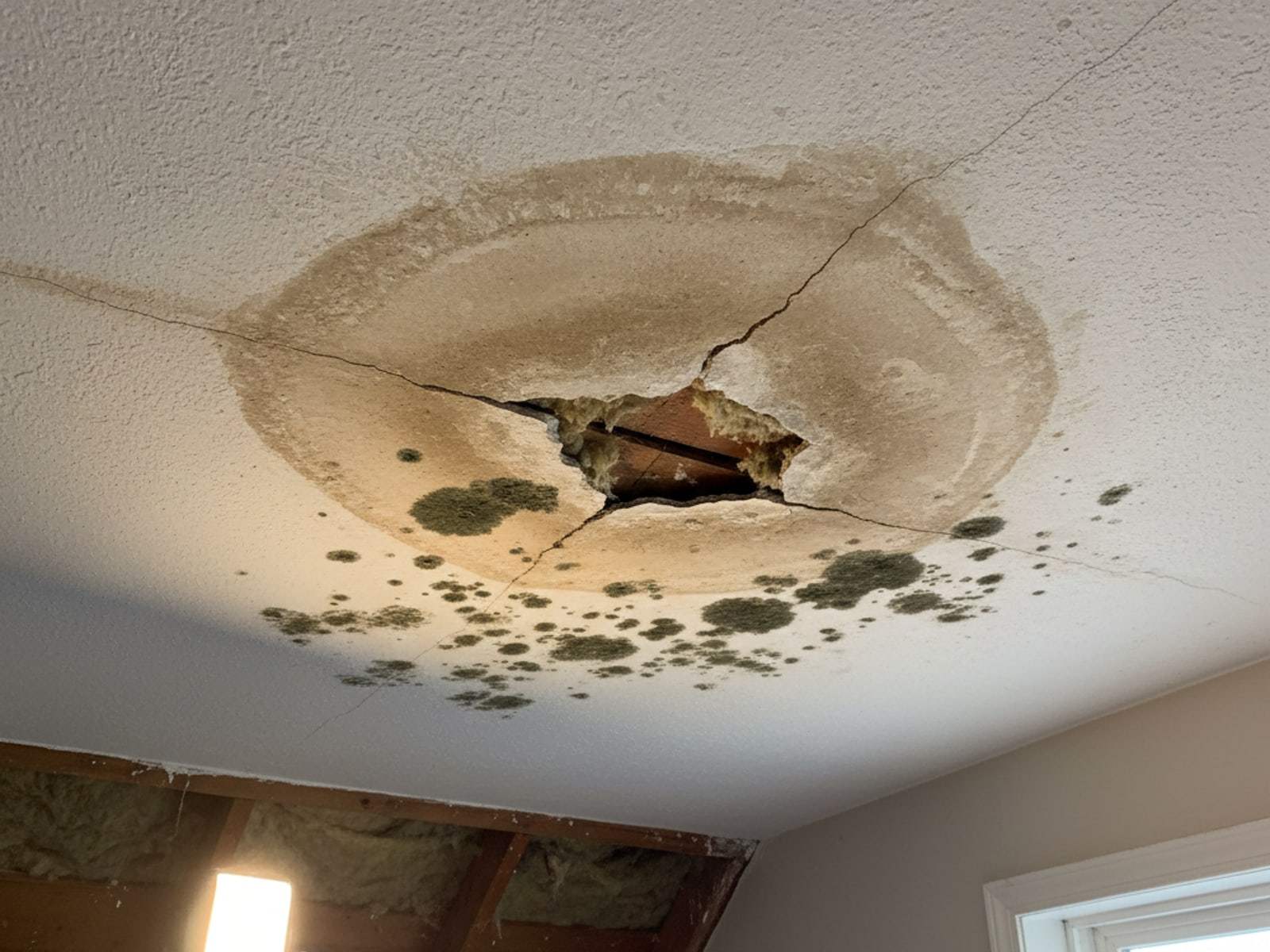
A musty smell in a Churchville basement, mold around a window, or dark growth on attic wood can be a sign that moisture has remained trapped inside the home. Mold problems often begin with a small leak or condensation issue and become more expensive when the underlying cause is overlooked.
- Moisture detection
- Containment
- Material removal
- Final review
Attic Mold Removal Rochester Pros provides mold removal, mold remediation, mold inspections, moisture assessments, and related attic, basement, and crawlspace services in Churchville, NY.
If you have found mold after a plumbing leak, roof problem, flood, or period of high humidity, schedule an inspection before disturbing the affected area. A professional assessment can help determine whether the problem is limited to one surface or extends into drywall, insulation, flooring, framing, or HVAC components.
What professional mold removal includes
Professional mold removal is more than spraying a chemical on a stain. A complete project may include:
- Visual inspection.
- Moisture detection.
- Source identification.
- Containment.
- Negative-air setup.
- Removal of unsalvageable materials.
- HEPA filtration.
- Cleaning of suitable surfaces.
- Drying and dehumidification.
- Repairs to the moisture source.
- Final inspection or clearance testing.
The correct procedure depends on the property and the material affected.
Where mold appears in Churchville homes
Churchville is a village in the Town of Riga in Monroe County. Homes in the area vary in age, construction, basement design, roof configuration, and renovation history. That means mold risks are property-specific, but common problem areas include:
- Basement walls.
- Foundation corners.
- Crawlspaces.
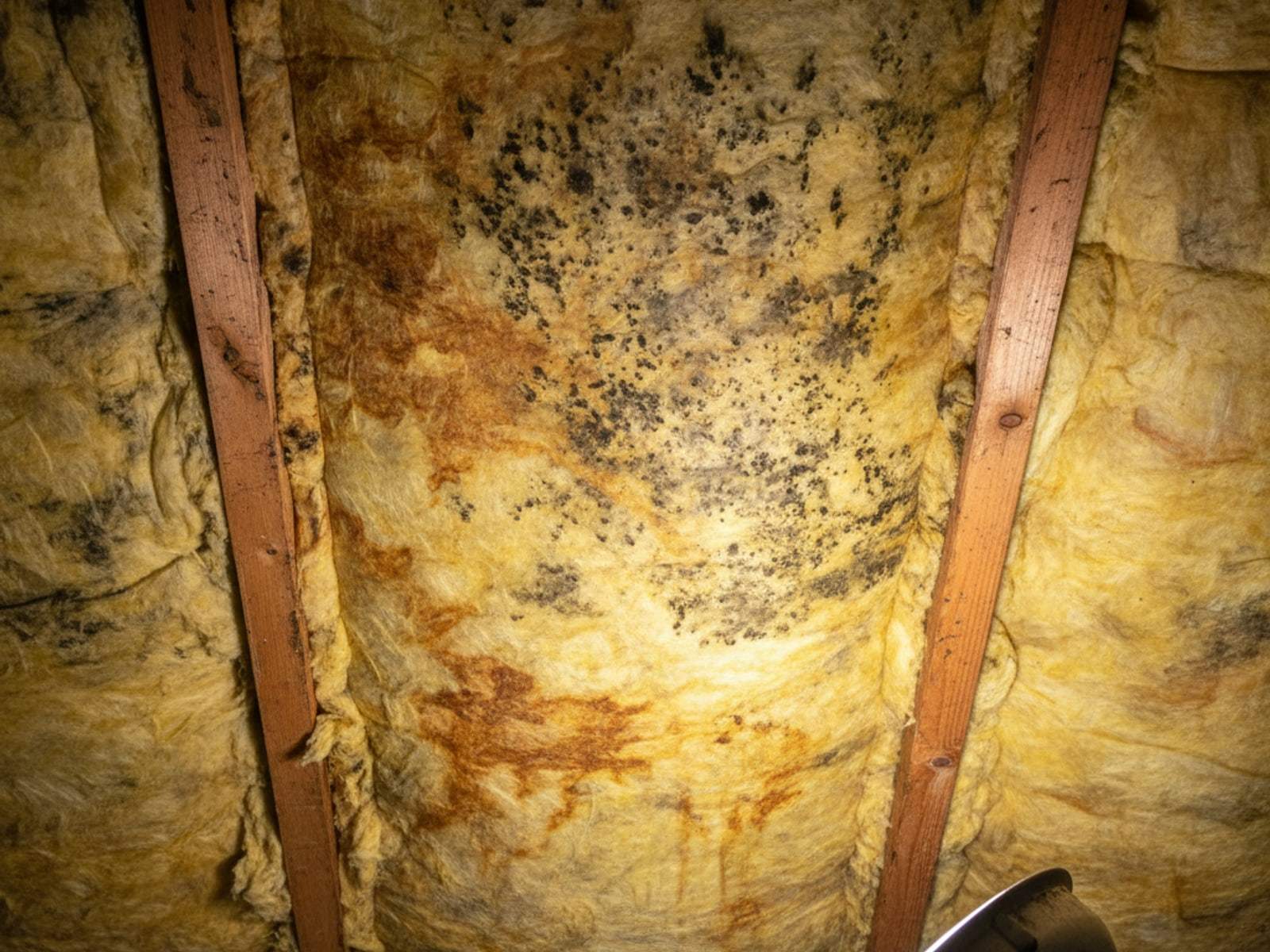
- Attic insulation.
- Roof sheathing.
- Bathroom ceilings.
- Window frames.
- Behind appliances.
- Under carpeting.
- Around sump pits.
- Laundry areas.
- HVAC closets.
- Exterior-wall cavities.
Older homes may contain plaster, masonry, wood framing, and previous repair layers that make moisture investigation more complicated. Newer homes can also develop mold when construction moisture, ventilation issues, leaks, or poor drainage are present.
Signs you may need a mold inspection
Look for:
- A musty odor that persists after cleaning.
- Fuzzy or discolored growth.
- Water stains on ceilings or walls.
- Peeling paint.
- Warped baseboards.
- Damp carpet.
- Wet or compressed insulation.
- Condensation around windows or pipes.
- Repeated basement humidity.
- Mold that returns after surface cleaning.
- Unexplained irritation or worsening asthma symptoms.
Mold does not always appear black. It may be white, gray, green, brown, or orange. Color does not establish the species or determine the health risk.
Churchville moisture sources
Mold needs moisture. Common sources include:
- Roof leaks.
- Damaged flashing.
- Ice dams.
- Plumbing failures.
- Foundation seepage.
- Poor yard grading.
- Short or blocked downspouts.
- Condensation.
- High indoor humidity.
- Bathroom exhaust problems.
- Wet crawlspace soil.
- Flooding.
- Dryer vents terminating indoors.
Mold growth can begin rapidly on wet materials under favorable conditions. New York State advises homeowners to find and correct the moisture source, discard porous materials with extensive mold growth, and dry wet materials thoroughly.
Mold testing versus mold inspection
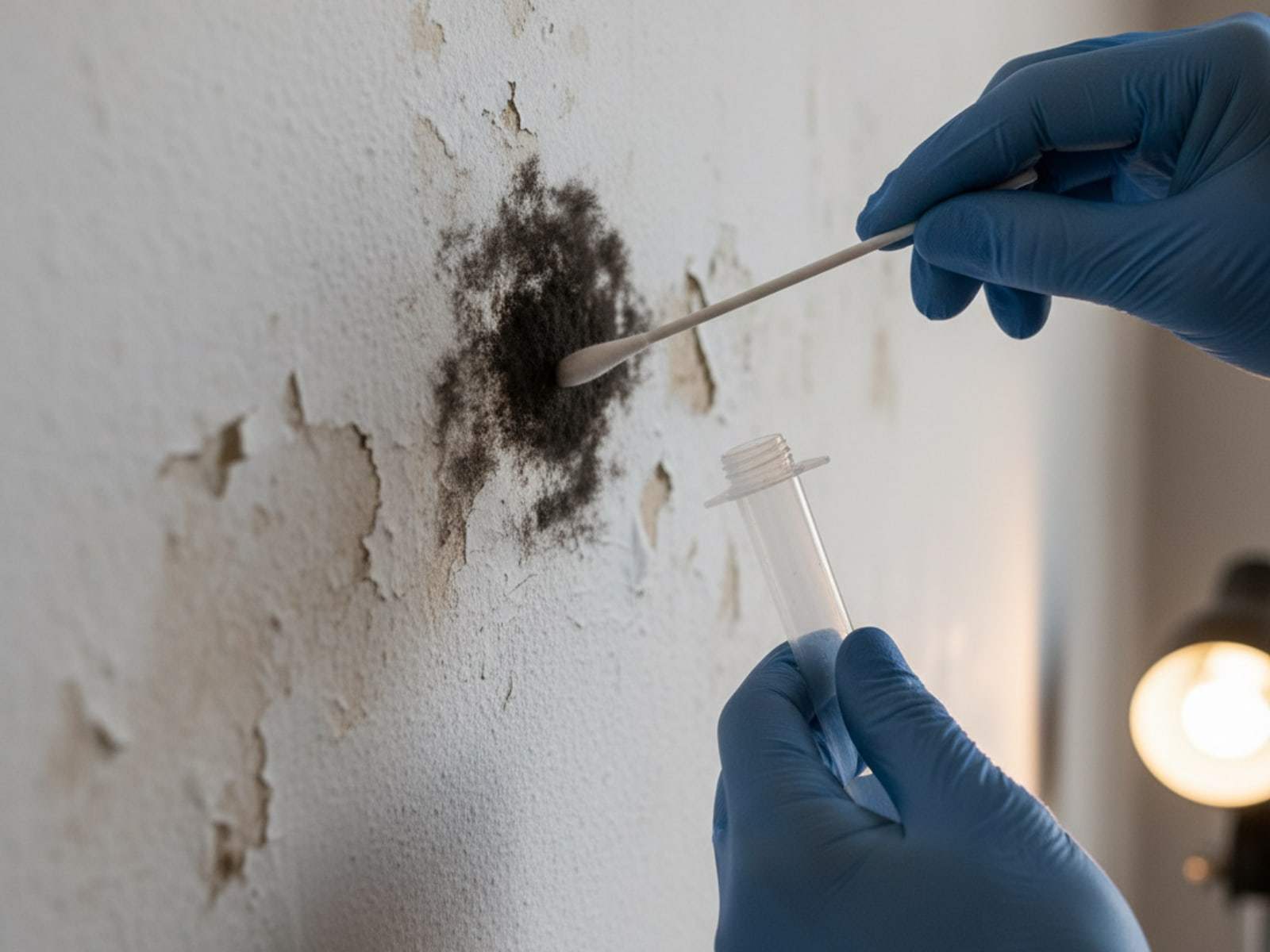
An inspection examines the property. Testing collects samples.
A mold inspection may include:
- Visual review.
- Moisture readings.
- Infrared scanning.
- Building-envelope observations.
- Examination of insulation and drywall.
- Identification of likely moisture sources.
Mold testing may involve:
- Air sampling.
- Surface sampling.
- Bulk sampling.
- Laboratory analysis.
Testing may be helpful when:
- The mold source is hidden.
- A musty odor has no visible explanation.
- A buyer or seller needs documentation.
- Occupants report possible mold-related symptoms.
- HVAC contamination is suspected.
- You need post-remediation verification.
Testing is not always required. When mold is plainly visible, the priority is usually moisture correction and safe removal.
Churchville mold removal process
Inspection and moisture mapping
The property is assessed for mold, wet materials, odors, leaks, condensation, and ventilation problems. Moisture meters or infrared tools may help identify areas that need further investigation.
Written scope
A written scope should identify the work area, containment method, materials to be removed, cleaning procedures, drying requirements, and any testing.
Containment
The affected room or section is separated from clean areas. Plastic barriers, sealed openings, negative-air machines, and air scrubbers may be used.
Material removal
Extensively contaminated drywall, insulation, carpet, padding, ceiling tiles, and other porous materials may need to be removed. EPA guidance recognizes that mold can penetrate porous materials and that wet, moldy materials may need to be discarded.
Cleaning and HEPA filtration
Hard, structurally sound surfaces may be cleaned. HEPA vacuums and air scrubbers help control settled and airborne particles when used as part of a controlled process.
Drying
The property must be dried before rebuilding. Dehumidifiers, fans, and repairs may be needed, but equipment alone cannot replace correction of a roof, plumbing, drainage, or ventilation problem.
Final review
A post-remediation inspection or clearance test may be requested, especially for larger projects, real-estate transactions, or documented restoration work.
Attic, basement, and crawlspace services
Churchville mold problems often involve moisture-prone parts of the home. Related services may include:
- Attic mold removal.
- Moldy insulation removal.
- Attic insulation replacement.
- Soffit and ridge-vent assessment.
- Basement wall cleaning.
- Crawlspace moisture control.
- Vapor-barrier recommendations.
- Dehumidifier planning.
- Sump-pump coordination.
- Roof-leak investigation.
- Water-damage cleanup.
- HVAC-area inspection.
A basement dehumidifier may help control humidity, but it will not repair a foundation leak. Similarly, replacing attic insulation will not solve mold if roof leaks or condensation continue.
When professional remediation is appropriate
Professional help is recommended when:
- Mold covers a large area.
- Porous materials are affected.
- The source is unknown.
- The issue keeps returning.
- The property experienced flooding.
- Mold may be inside walls or HVAC systems.
- Occupants are medically sensitive.
- The home is being sold.
- You need documentation.
- The work involves significant demolition.
New York’s Department of Labor regulates covered mold assessment and remediation work. The state’s Mold Program requires appropriate licensing and establishes standards concerning independent assessment, PPE, documentation, and post-remediation assessment.
Ask contractors how their licenses can be verified and whether the assessor and remediator are independent where required.
Churchville mold removal cost
| Service | Typical planning range |
|---|---|
| Mold inspection | $250 to $500 |
| Mold testing | $300 to $1,200 |
| Small cleanup | $500 to $1,500 |
| Single-room remediation | $1,200 to $3,800 |
| Basement mold remediation | $1,800 to $6,000 |
| Attic mold removal | $1,500 to $6,000+ |
| Crawlspace work | $1,500 to $5,000 |
| Clearance testing | $400 to $900 |
Pricing depends on access, contamination size, containment, demolition, disposal, drying, reconstruction, and moisture repairs.
Why choose Attic Mold Removal Rochester Pros?
Attic Mold Removal Rochester Pros serves Churchville homeowners with a practical approach centered on moisture control and careful containment. The service model emphasizes:
- Inspection before unnecessary work.
- Clear explanation of findings.
- Protection of unaffected spaces.
- Safe handling of contaminated materials.
- Coordination with roofing, plumbing, insulation, or construction professionals.
- Documentation when testing or clearance is requested.
Frequently asked questions
Can mold be removed without replacing drywall?
Sometimes. If growth is limited to a cleanable surface, the material is structurally sound, and contamination has not penetrated it, cleaning may be possible. Extensively affected or porous drywall may need removal.
Is a musty smell proof of mold?
No, but it is a reason to investigate. Odors may come from hidden mold, damp materials, sewage, stagnant water, or other sources.
Should I use bleach?
Do not rely on bleach as a universal mold-removal method. Porous materials may need removal, and cleaning products must always be used according to their labels. Never mix cleaning chemicals.
How fast can mold removal begin?
Response depends on availability, weather, project size, and urgency. Contact the provider and describe the leak, affected room, visible growth, and whether vulnerable occupants are present.
What should I do before the inspection?
Do not disturb large mold areas. Photograph visible growth, note odors and leaks, move people away from the area, and contact the appropriate insurer if the problem followed a covered event.
Churchville, NY
Schedule Churchville mold removal
For mold, musty odors, water damage, or recurring dampness in Churchville, contact Attic Mold Removal Rochester Pros to arrange an inspection or request a written estimate.